The U.S. military launched a fresh round of air and missile strikes against Iranian military assets on Monday under the direction of President Donald Trump.
These operations signal a significant escalation in Middle East tensions as the U.S. seeks to secure one of the world's most critical shipping lanes. The strikes target the Iranian regime's ability to disrupt global commerce and threaten maritime safety.
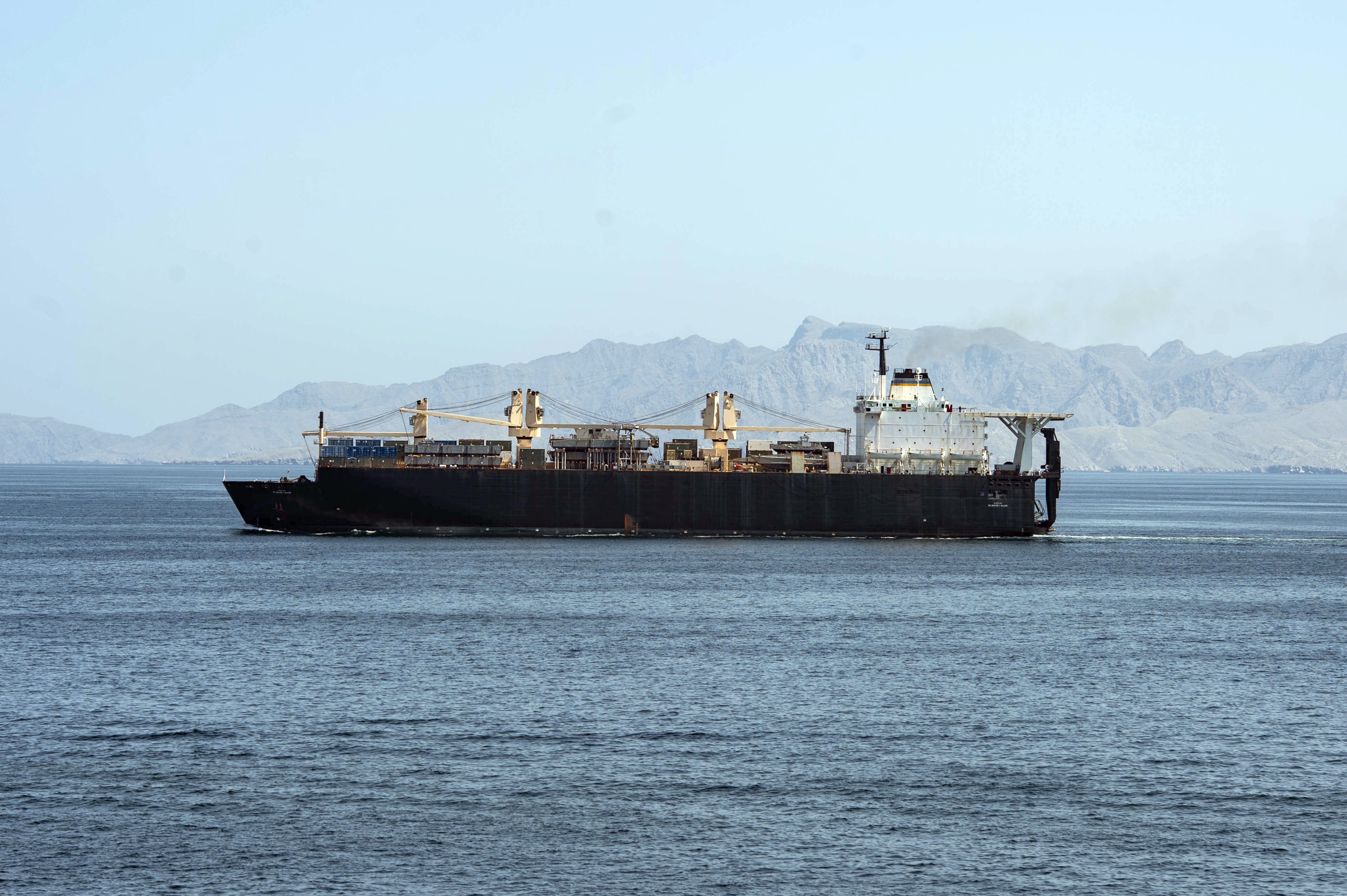
U.S. Central Command said the operation began a third straight night of attacks [1] against Iranian targets. The strikes occurred hours after President Trump announced the reinstatement of a naval blockade in the Strait of Hormuz [2].
President Donald Trump (R-US) said, "We will continue to degrade Tehran's ability to attack commercial vessels in the Strait of Hormuz."
Reports on the specific timing of the escalation vary among sources. The Gazette said the strikes occurred Monday, July 12, 2026, while Reuters cited Monday, July 8, 2026. Both sources agree the operation followed a period of heightened volatility in the region.
The immediate trigger for the military action involves conflicting reports. The Gazette said the strikes were retaliation for an Islamic Revolutionary Guard Corps attack on a container ship in the Strait of Hormuz. Other reports link the timing directly to the reinstatement of the U.S. naval blockade.
U.S. Central Command said the mission aimed to hold the regime's forces accountable for their actions in the strait. The operation utilized a combination of air and missile assets to hit military installations within Iran.
“"We will continue to degrade Tehran's ability to attack commercial vessels in the Strait of Hormuz,"”
The reinstatement of a naval blockade combined with active kinetic strikes suggests a shift from deterrence to active degradation of Iranian capabilities. By targeting assets specifically linked to the Strait of Hormuz, the U.S. is attempting to neutralize the Iranian Revolutionary Guard Corps' leverage over global oil shipments and commercial maritime traffic.