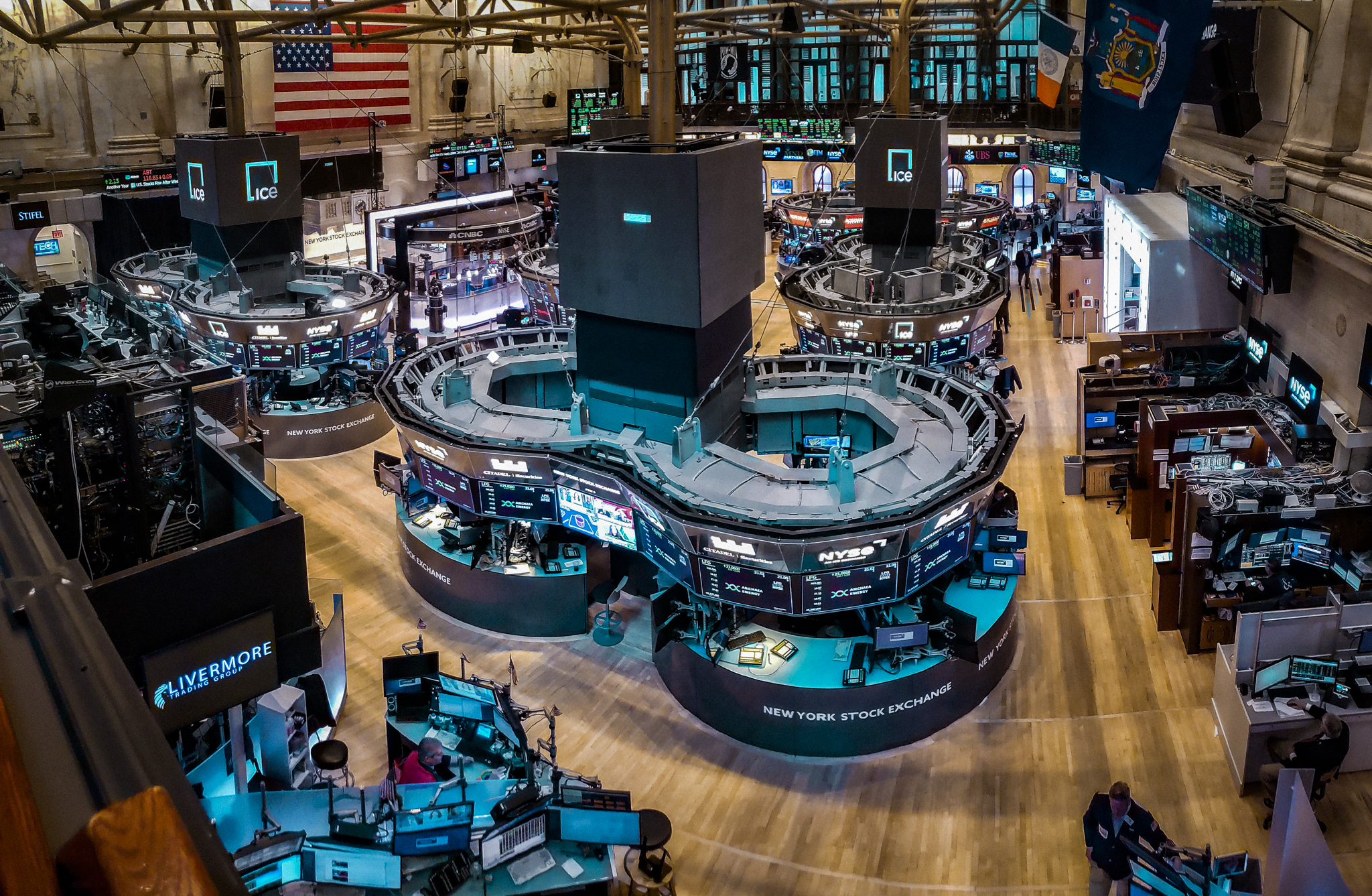
U.S. stock indices fell on June 5, 2026 [2], as traders anticipated a Federal Reserve interest rate hike [1].
This volatility reflects the market's sensitivity to inflation and employment data. When the Federal Reserve raises rates, borrowing costs increase for businesses and consumers, which often leads to a decline in equity valuations.
Market data shows that U.S. stocks fell more than 1% on the day of the sell-off [3]. This downturn was driven by solid jobs data and rising prediction-market odds that the central bank will act to curb inflation [2].
Traders are now pricing in the likelihood of a rate hike by October 2026 [4]. The shift in sentiment followed reports indicating a robust labor market, which typically gives the Federal Reserve more room to raise rates without triggering a severe economic contraction.
There is some conflicting sentiment among market participants. While some reports indicate that the odds of a hike rose following the jobs report [2], other data suggests some traders have edged away from bets that the Fed will deliver a rate hike soon [4].
Despite these contradictions, the immediate reaction on Wall Street remained negative. The sell-off highlighted a tension between strong economic growth and the desire for lower interest rates to support stock market gains.
“U.S. stocks fell more than 1% on the day”
The market is currently in a tug-of-war between positive economic indicators and the monetary policy response they trigger. While strong employment suggests a healthy economy, it removes the Federal Reserve's incentive to keep rates low. If the Fed proceeds with a hike in October, it could further dampen stock valuations but may be necessary to stabilize long-term inflation.


