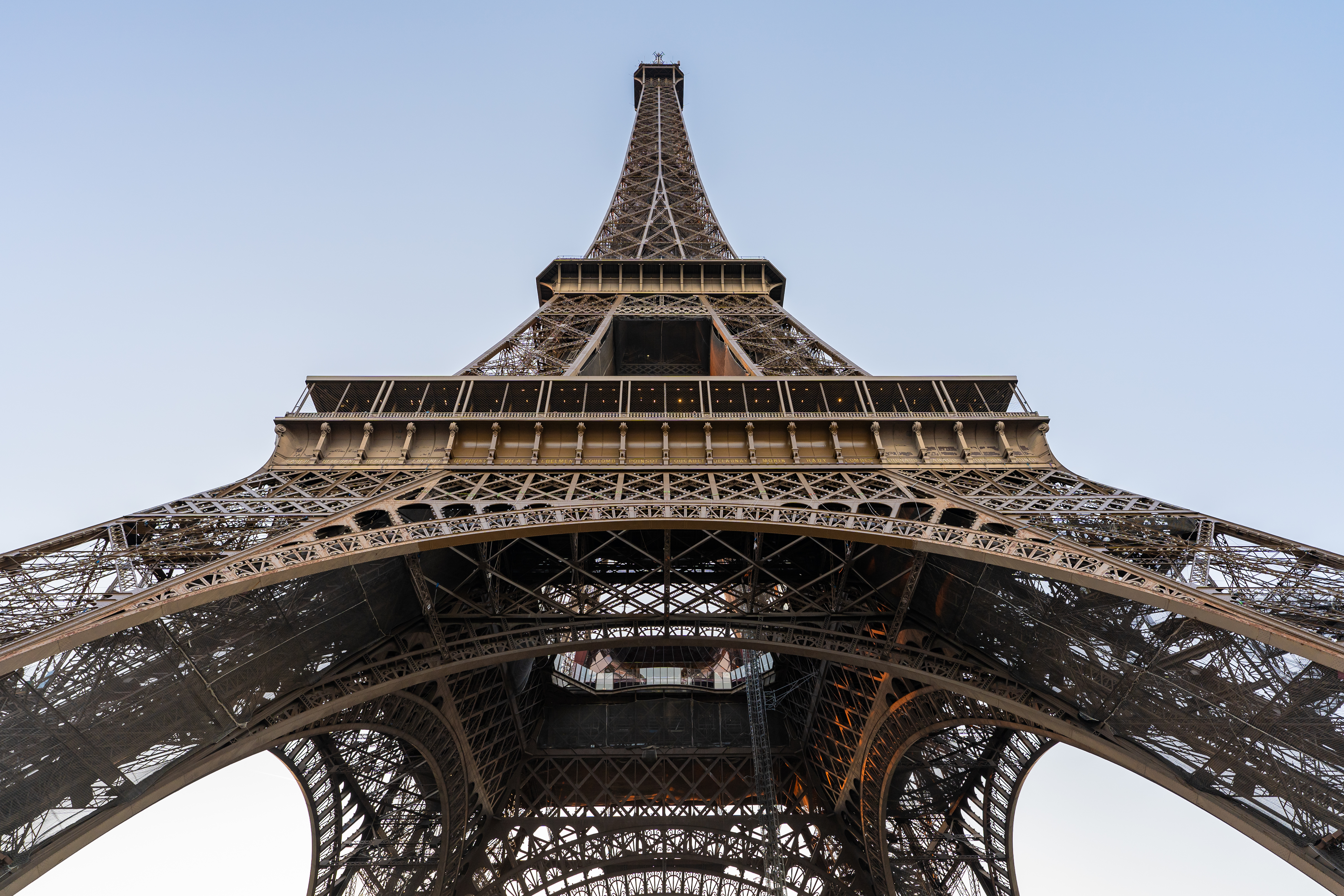
A record-breaking heat wave has forced the Eiffel Tower and major Paris museums to reduce their daily operating hours [1].
The extreme weather disrupts tourism and public safety across Western Europe, where temperatures have reached or exceeded 40 °C [1]. These conditions create significant health risks for residents and visitors, and increase the volatility of wildfires in the region [1, 2].
In Paris, the Eiffel Tower has limited its weekend operations to 4 p.m. [1]. Local authorities placed signage at the landmark to notify visitors of the shortened schedule. The Louvre Museum has also reduced its hours, closing at 4 p.m. [1]. Similarly, the Orsay Museum has announced that it will only operate until 5 p.m. [1].
Beyond France, the heat wave has exacerbated environmental disasters in Spain. A wildfire that began five days ago remains uncontained [1]. Emergency services continue to battle the blaze as high temperatures and dry conditions hinder containment efforts [1, 2].
An anchor for YTN said, "Western Europe is experiencing its hottest summer in history with a heat wave hovering around 40 degrees."
The reduced hours at the Louvre and Orsay museums were officially announced to protect visitors from the peak heat of the day [1]. The decision reflects a growing trend of adapting urban infrastructure and cultural sites to survive extreme thermal events [1, 2].
“Western Europe is experiencing its hottest summer in history with a heat wave hovering around 40 degrees.”
The closure of global landmarks like the Louvre and Eiffel Tower indicates that extreme heat is no longer a temporary inconvenience but a structural threat to European tourism and public health. The simultaneous struggle to contain Spanish wildfires suggests a regional climate pattern where prolonged heat increases the frequency and duration of natural disasters.


