
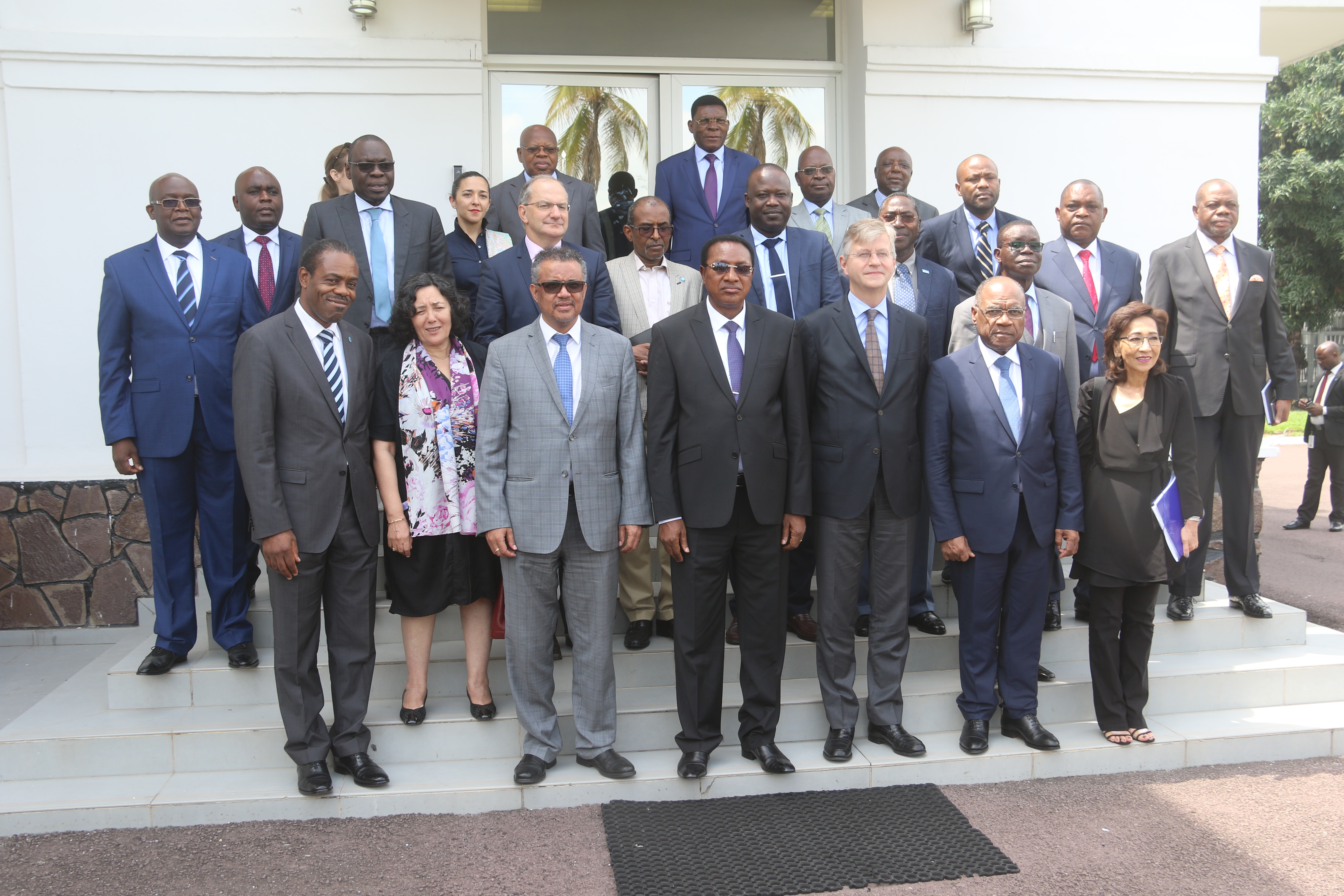
The World Health Organization declared the Ebola outbreak in Central Africa a Public Health Emergency of International Concern on May 17, 2026 [1].
The declaration signals an urgent need for coordinated global intervention to contain a rare and high-mortality strain of the virus. Because the outbreak has already crossed national borders, the WHO is mobilizing international resources to prevent a wider regional epidemic.
The outbreak is centered in the Ituri province of the Democratic Republic of Congo [2]. Health officials said that the virus has spread into neighboring Uganda [3]. The current crisis involves the Bundibugyo strain of Ebola, which is noted for its rarity and high mortality rate [1].
Data from the region indicates that at least 80 people have died in the Ituri province [4]. The rapid increase in fatalities and the frequency of burials have prompted the WHO to escalate its response level. Director-General Tedros Adhanom Ghebreyesus said the emergency status was triggered to ensure a synchronized medical response across the affected borders [1].
Containment efforts in Central Africa face significant challenges due to the geography of the Ituri province and the movement of people between Congo and Uganda [2]. The PHEIC status allows the WHO to issue temporary recommendations regarding travel, trade, and health screenings to mitigate the risk of further international transmission [1].
Medical teams are currently working to deploy vaccines and establish treatment centers in the hardest-hit areas. The organization is coordinating with local governments to improve surveillance, and contact tracing to identify new cases before they spread further into the population [3].
“The World Health Organization declared the Ebola outbreak in Central Africa a Public Health Emergency of International Concern”
The designation of a Public Health Emergency of International Concern is the highest level of alarm the WHO can sound. By identifying the specific Bundibugyo strain, health officials are highlighting a variant that may require different clinical management than the more common Zaire ebolavirus. The cross-border spread into Uganda transforms a localized crisis into a regional security threat, necessitating diplomatic and medical cooperation between neighboring states to prevent a pandemic-scale event.


