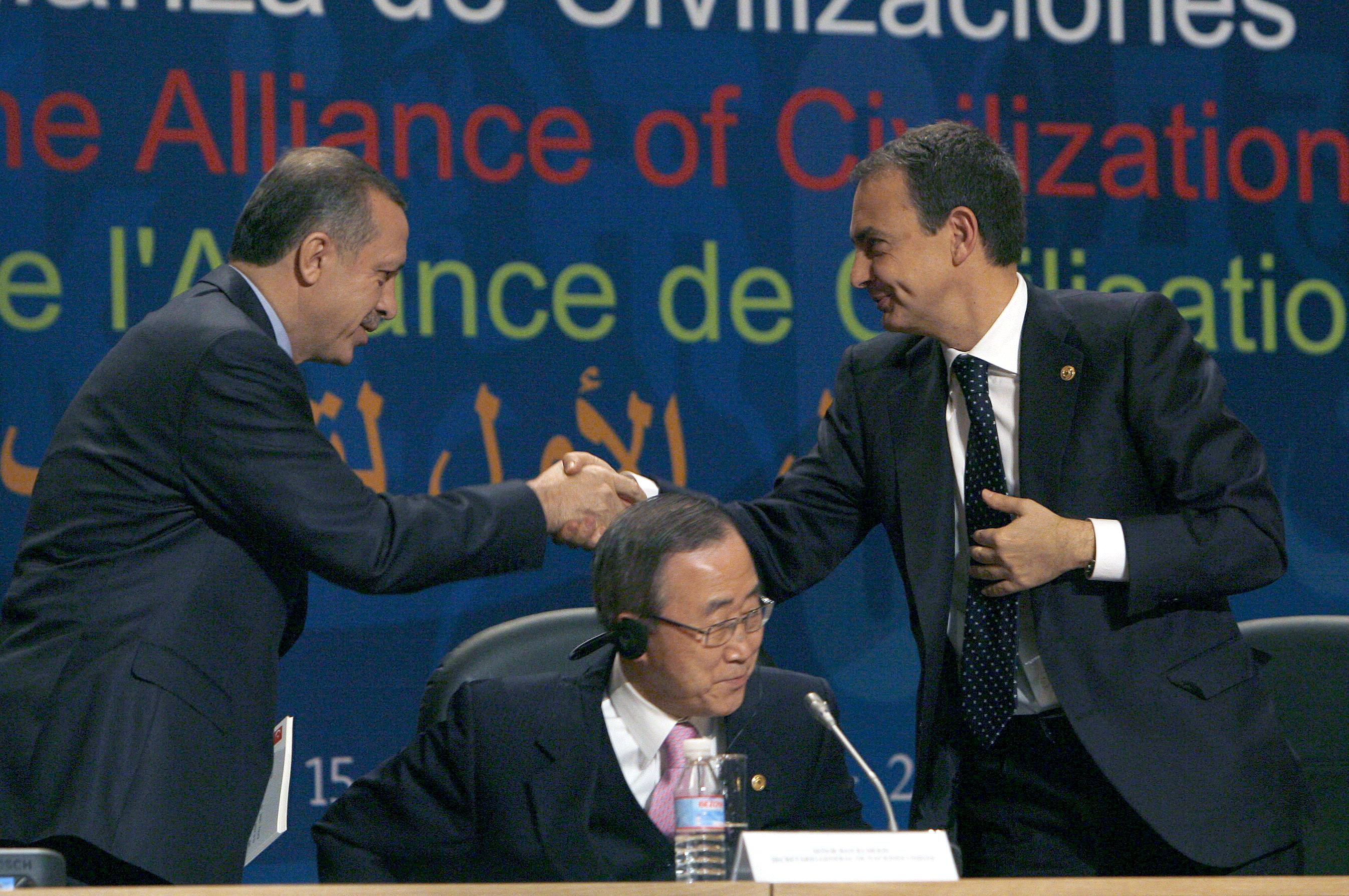
Former Prime Minister José Luis Rodríguez Zapatero defended his daughters' marketing company during a press interview on May 19 [1].
The statement comes as Spanish authorities investigate whether the firm served as a conduit for illegal financial flows within the Plus Ultra corruption case. Because the probe involves the family of a former head of government, the case carries significant political and legal implications for Spain.
Zapatero responded to journalists' questions regarding the business owned jointly by his daughters, saying, "Trabajan bien" (They work well) [1]. Other reports indicate he said his daughters are honest [2].
However, judicial findings present a different narrative. Judge José Luis Calama said the daughters' company was used as a redistribution center for financial flows [3]. The investigation focuses on the movement of funds through the agency to mask their origin or destination.
Financial records cited in the probe show varying amounts of money passing through the firm. Some reports state the company received more than 800,000 euros from two key companies involved in the scheme [1]. Other reports place that figure higher, alleging the company received 1.2 million euros from the Plus Ultra network [4].
Additional evidence suggests the agency was paid 100,000 euros by a Venezuelan businessman [5]. These transactions are central to the ongoing effort to map the network of payments associated with the Plus Ultra case.
The daughters, Laura and Alba Rodríguez Espinosa, first entered the public eye nearly two decades ago when they were 16 and 14 years old [2]. They are now adults operating the marketing agency at the center of the judicial scrutiny.
“"Trabajan bien."”
The investigation into the Plus Ultra case highlights the intersection of private business and political influence in Spain. By alleging that a firm owned by the former Prime Minister's daughters acted as a financial redistributor, the court is examining whether high-level political connections were leveraged to facilitate illicit money movements. The discrepancy in reported figures—ranging from 800,000 to 1.2 million euros—suggests an evolving evidentiary trail as investigators trace the full scope of the network.

'%2F%3E%0A%20%20%20%20%3Crect%20width%3D'1600'%20height%3D'900'%20fill%3D'url(%23v)'%2F%3E%0A%20%20%20%20%3Cg%20opacity%3D'0.08'%20fill%3D'%23ffffff'%3E%0A%20%20%20%20%20%20%3Ccircle%20cx%3D'1420'%20cy%3D'180'%20r%3D'220'%2F%3E%0A%20%20%20%20%20%20%3Ccircle%20cx%3D'1500'%20cy%3D'760'%20r%3D'120'%2F%3E%0A%20%20%20%20%3C%2Fg%3E%0A%20%20%20%20%3Cline%20x1%3D'80'%20y1%3D'172'%20x2%3D'220'%20y2%3D'172'%20stroke%3D'%23ffffff'%20stroke-width%3D'3'%20stroke-opacity%3D'0.6'%2F%3E%0A%20%20%20%20%3Ctext%20x%3D'80'%20y%3D'140'%20font-family%3D'Inter%2C%20-apple-system%2C%20Helvetica%2C%20sans-serif'%20font-weight%3D'700'%20font-size%3D'28'%20fill%3D'%23ffffff'%20letter-spacing%3D'6'%3EHANNA%20%C2%B7%20NEWS%3C%2Ftext%3E%0A%20%20%20%20%3Ctext%20x%3D'80'%20y%3D'230'%20font-family%3D'Inter%2C%20-apple-system%2C%20Helvetica%2C%20sans-serif'%20font-weight%3D'600'%20font-size%3D'40'%20fill%3D'%23ffffffb3'%20letter-spacing%3D'4'%3EWORLD%3C%2Ftext%3E%0A%20%20%20%20%3Ctext%20x%3D'80'%20y%3D'694'%20font-family%3D'Playfair%20Display%2C%20Georgia%2C%20serif'%20font-weight%3D'800'%20font-size%3D'110'%20fill%3D'%23ffffff'%20letter-spacing%3D'-1'%3EMunicipal%20Strike%20Disrupts%3C%2Ftext%3E%3Ctext%20x%3D'80'%20y%3D'820'%20font-family%3D'Playfair%20Display%2C%20Georgia%2C%20serif'%20font-weight%3D'800'%20font-size%3D'110'%20fill%3D'%23ffffff'%20letter-spacing%3D'-1'%3EServices%20in%20Pietermaritzburg%3C%2Ftext%3E%0A%20%20%20%20%3Ctext%20x%3D'80'%20y%3D'870'%20font-family%3D'Inter%2C%20-apple-system%2C%20Helvetica%2C%20sans-serif'%20font-weight%3D'500'%20font-size%3D'22'%20fill%3D'%23ffffff66'%20letter-spacing%3D'2'%3Enews.hanna-ai.com%3C%2Ftext%3E%0A%20%20%3C%2Fsvg%3E)
