Congress leader Alka Lamba intends to challenge her conviction for assaulting police during a 2024 protest [1].
The case highlights the legal tensions surrounding political demonstrations in India and the judicial balance between punishing lawbreakers and applying reformative justice to first-time offenders.
Lamba was convicted May 25, 2024 [1], by the Rouse Avenue Court in Delhi [2]. The charges stemmed from an incident during a protest against the Women's Reservation Bill [3]. While the court found her guilty of assaulting police officers, it opted not to impose a prison sentence or a fine [1].
Instead, the court released Lamba on a one-year probation period [1]. This decision was based on the reformative theory of punishment and the fact that Lamba was a first-time offender [4]. As a condition of her release, she was required to provide a bond of Rs 1 lakh [1].
Despite the leniency of the sentence, Lamba plans to contest the conviction in a higher court [2]. Legal representatives said the challenge is necessary to clear her record, as a conviction—even one resulting in probation—can have implications for a politician's eligibility and standing [2].
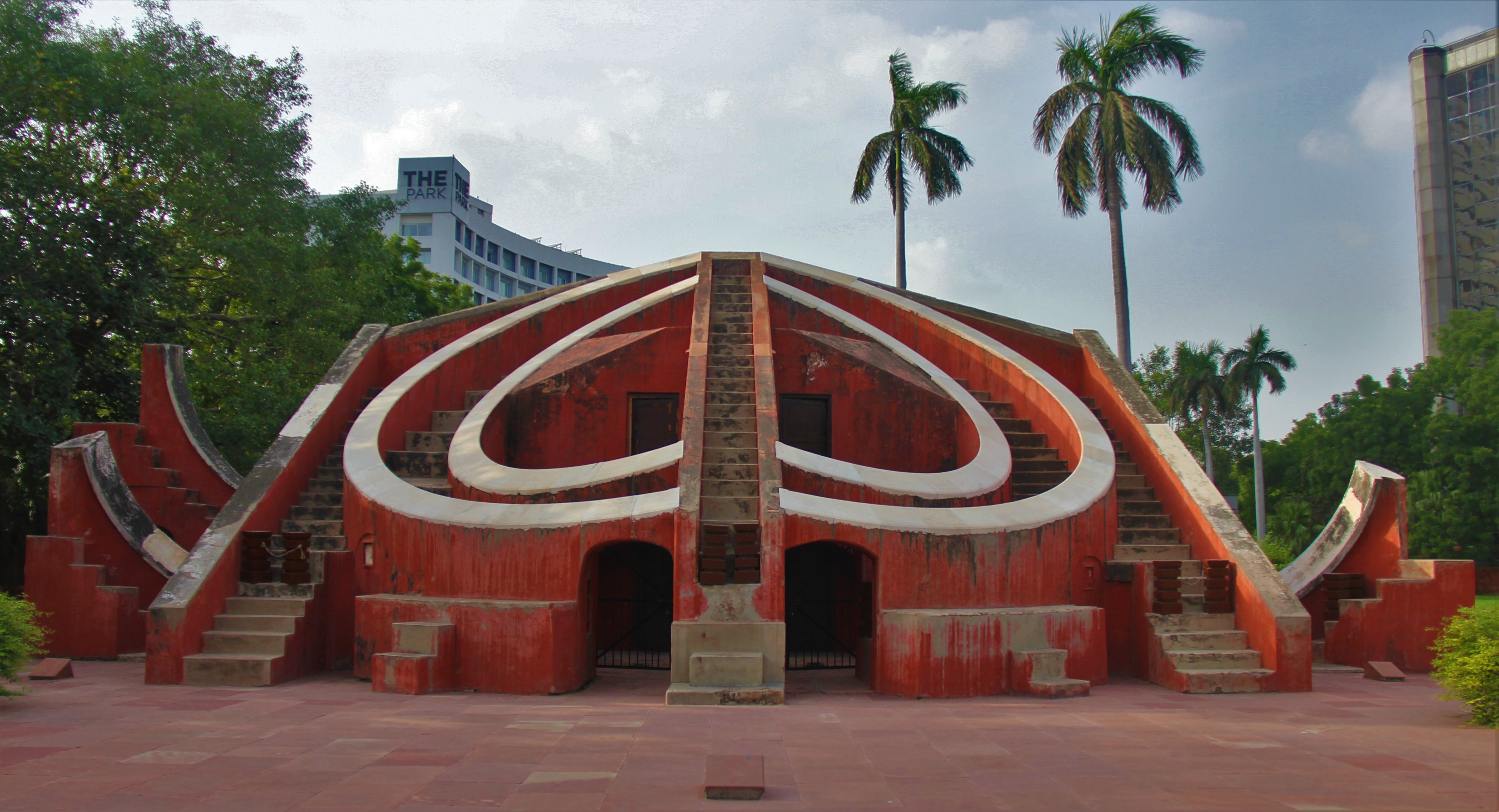
The incident occurred at Jantar Mantar, a frequent site for political demonstrations in the capital [2]. The court's decision to grant probation rather than incarceration reflects a specific judicial approach to handling political activists who do not have prior criminal records [4].
“Alka Lamba intends to challenge her conviction for assaulting police during a 2024 protest.”
This ruling demonstrates the application of 'reformative theory' in the Indian judicial system, where the court prioritizes rehabilitation over retribution for first-time offenders. However, for a political figure, the legal distinction between a sentence and a conviction is critical; while probation avoids jail, the conviction itself remains a matter of public record and can be used as a political liability or a legal hurdle for future office-holding.