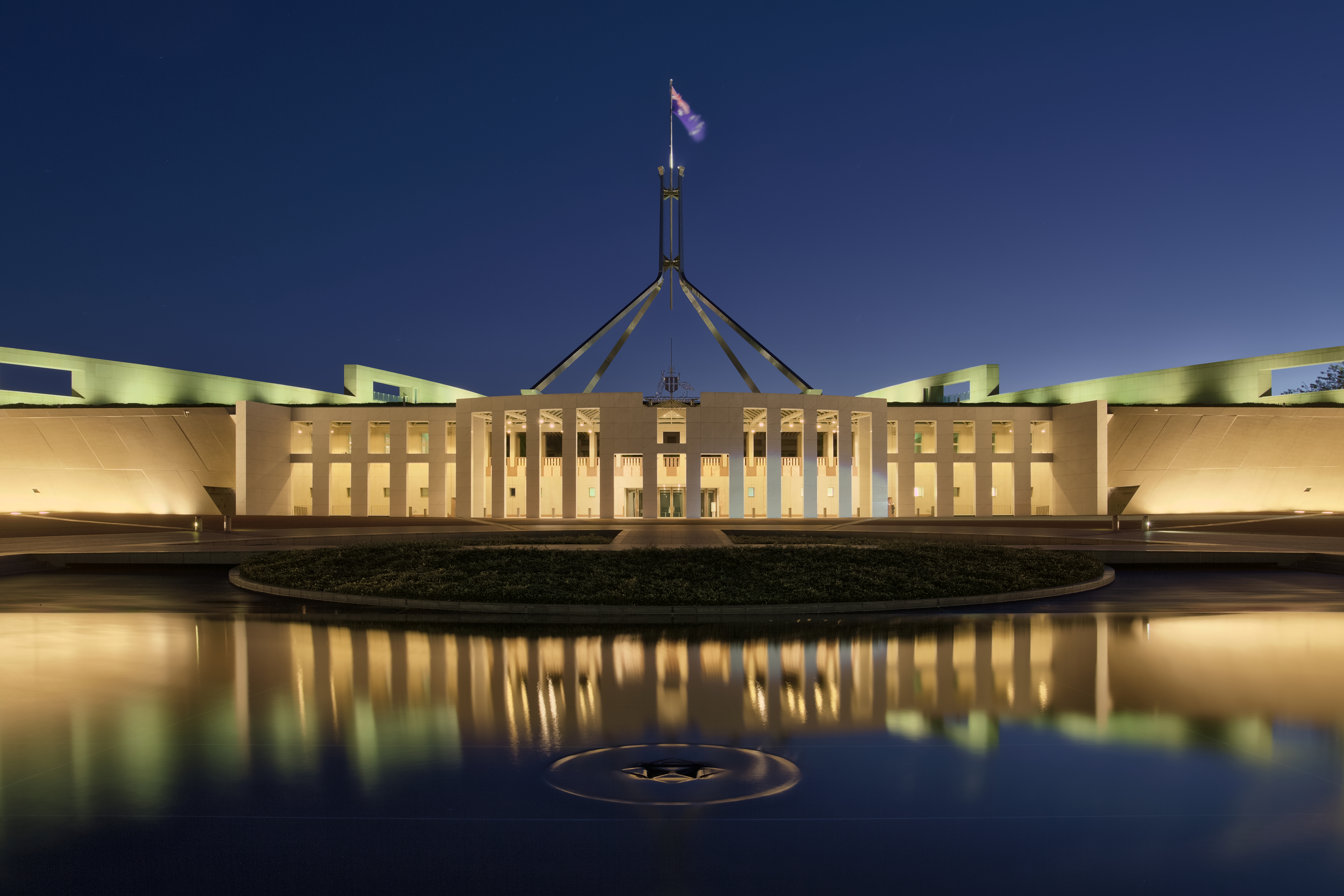
Australia's National Anti-Corruption Commission faces urgent calls for a structural reset following the resignation of its inaugural commissioner on Monday [2].
The turmoil at the federal watchdog threatens the credibility of Australia's primary mechanism for rooting out government graft. Critics said that a culture of secrecy within the agency has undermined its ability to provide public accountability.
Paul Brereton resigned from his post as the inaugural commissioner while facing two ongoing investigations into his conduct [1]. The departure marks a critical juncture for the commission as it struggles to balance the need for investigative confidentiality with the public's demand for transparency.
Top lawyers and politicians have called for a shake-up of the agency, citing a pervasive culture of secrecy [1]. These figures said that the commission's current operational framework prevents necessary oversight and shields the body from legitimate scrutiny.
The demand for reform comes as the government weighs how to stabilize the commission. The agency was designed to be a powerful tool against systemic corruption, but the resignation of its first leader amid internal probes suggests a failure in early governance.
Legal experts said that without a fundamental change in how the commission operates, it may struggle to regain the trust of the public and the political class. The focus now shifts to whether the government will implement a full reset or simply appoint a new commissioner to lead the existing structure.
“Australia's National Anti-Corruption Commission faces urgent calls for a structural reset.”
The resignation of the NACC's first commissioner under a cloud of investigation creates a legitimacy crisis for Australia's federal anti-corruption efforts. If the government fails to address the perceived culture of secrecy, the watchdog risks becoming a political tool or an ineffective bureaucracy, potentially delaying the prosecution of high-level corruption for years.


