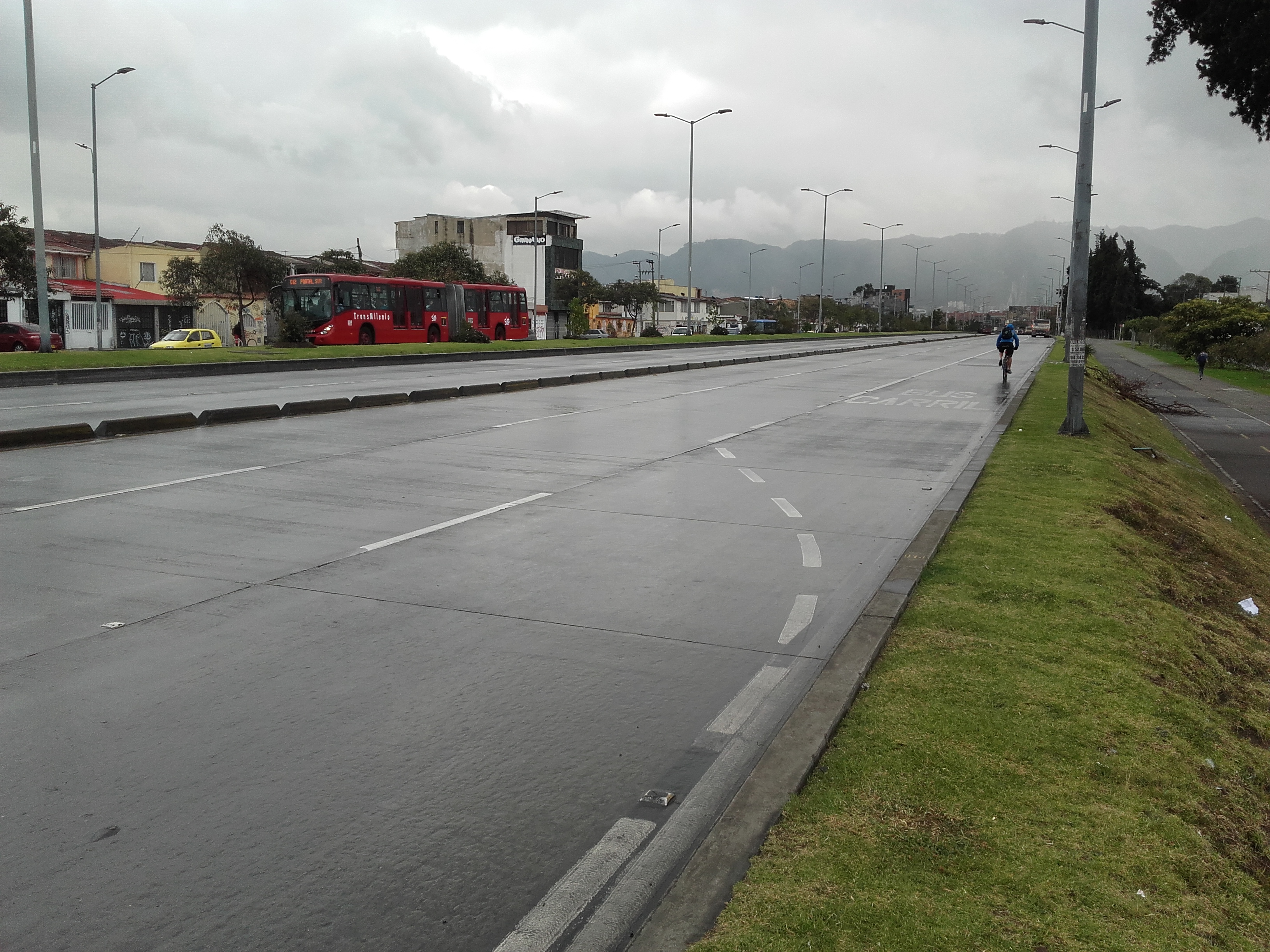
Extensive traffic congestion formed on the Autopista Sur in Bogota, Colombia, on June 30, 2024 [1].
This level of gridlock highlights the recurring infrastructure challenges the city faces during national holidays. The surge of vehicles returning to the capital often overwhelms primary arteries, impacting thousands of commuters and travelers.
Reports said the congestion was caused by the significant increase in vehicles returning to the city after the San Pedro holiday bridge [1]. The Autopista Sur serves as a critical entry point for those traveling into Bogota from southern regions, making it a frequent bottleneck during peak travel windows.
Drivers and travelers experienced long delays as the volume of traffic exceeded the road's capacity. The situation created a slow-moving queue of vehicles that stretched along the highway, complicating the return to the city for many residents [1].
Local authorities typically implement measures to manage these surges, though the volume of traffic on June 30, 2024 [1], resulted in an "interminable" traffic jam. The disruption affected not only private vehicles, but also public transportation and logistics moving through the southern corridor [1].
While other holidays in June also see increased traffic, the specific congestion on the Autopista Sur was tied directly to the conclusion of the San Pedro festivities [1].
“Extensive traffic congestion formed on the Autopista Sur in Bogota.”
The recurring nature of these traffic jams during Colombian holiday 'bridges' underscores a systemic gap between Bogota's growing vehicle population and its existing highway infrastructure. When a single artery like the Autopista Sur fails to absorb holiday return traffic, it indicates that current traffic management strategies are insufficient for peak demand periods.