
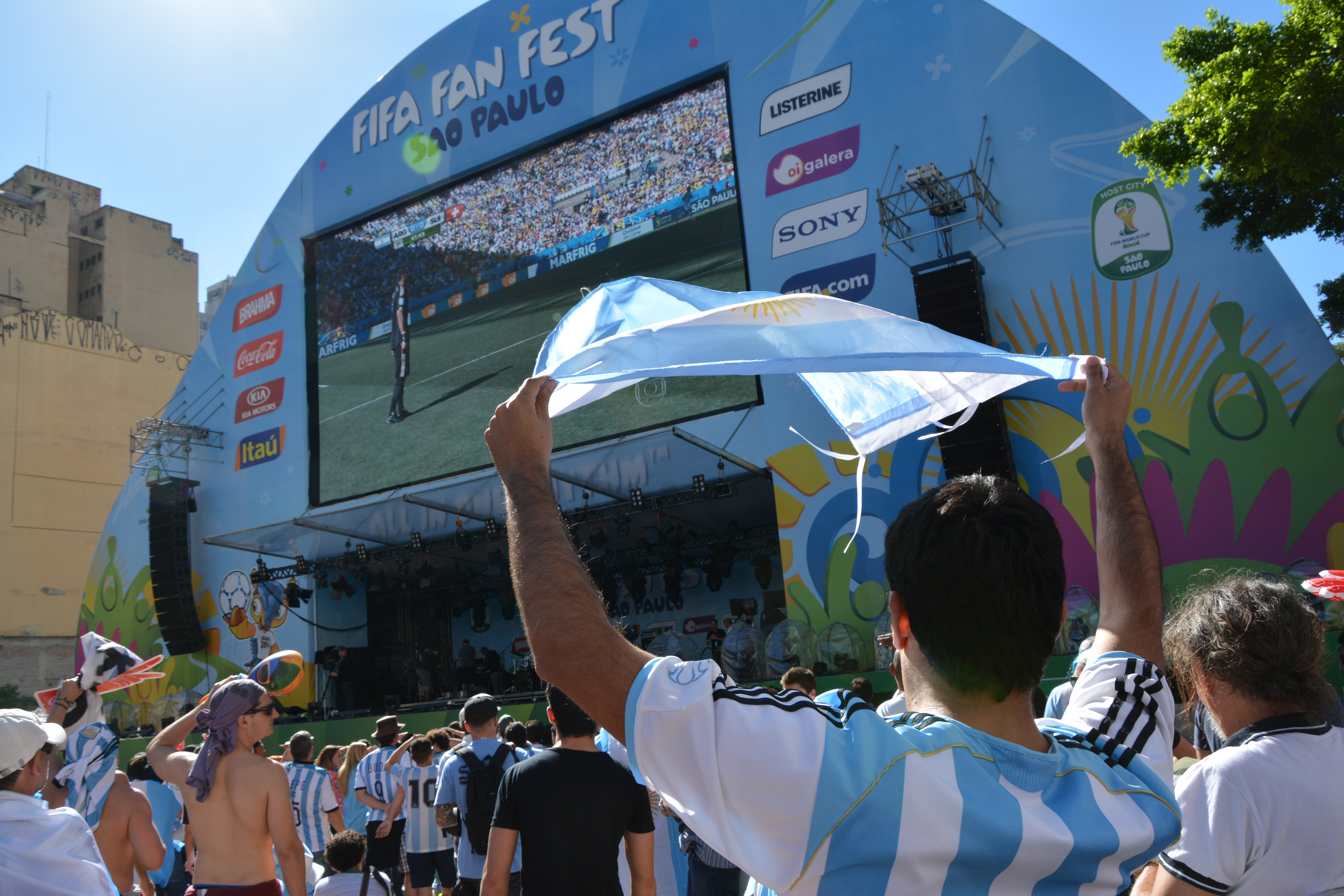
Football fans in São Paulo are facing higher prices for bar food and official merchandise as the 2026 FIFA World Cup approaches [1].
This price surge reflects a broader economic struggle for Brazilian supporters. As demand spikes during the tournament period, the combination of inflation and seasonal pricing makes traditional celebrations less affordable for the average citizen.
Local bars in São Paulo have reported price increases for typical items, including meats, beverages, and sweets [1]. These costs are driven by persistent inflation and the high demand associated with the tournament [1], [4].
Economist Ricardo Balistiero said the price hikes are weighing on the wallets of those gathering to watch the matches [1]. The financial pressure extends beyond the bar counter to official apparel. The official Brazil World Cup 2026 jersey is priced at R$ 749,99 [2].
This cost represents approximately 17.5% of the average Brazilian income [2]. For many fans, the cost of the jersey alone constitutes a significant portion of their monthly earnings, a barrier to entry for official tournament gear.
Reports from May 2026 indicate that these inflationary pressures have already begun to affect a wide range of consumer products [4]. The trend suggests that the celebratory atmosphere of the World Cup is being tempered by the reality of a strained economy [1], [3].
“The official Brazil World Cup 2026 jersey is priced at R$ 749,99.”
The intersection of high inflation and the 2026 World Cup creates a 'tournament tax' for Brazilian fans. When official merchandise consumes nearly 18% of an average monthly income, it indicates a severe gap between the commercial pricing of global sporting events and the local economic reality, potentially shifting fan behavior toward counterfeit goods or reduced spending at local businesses.


