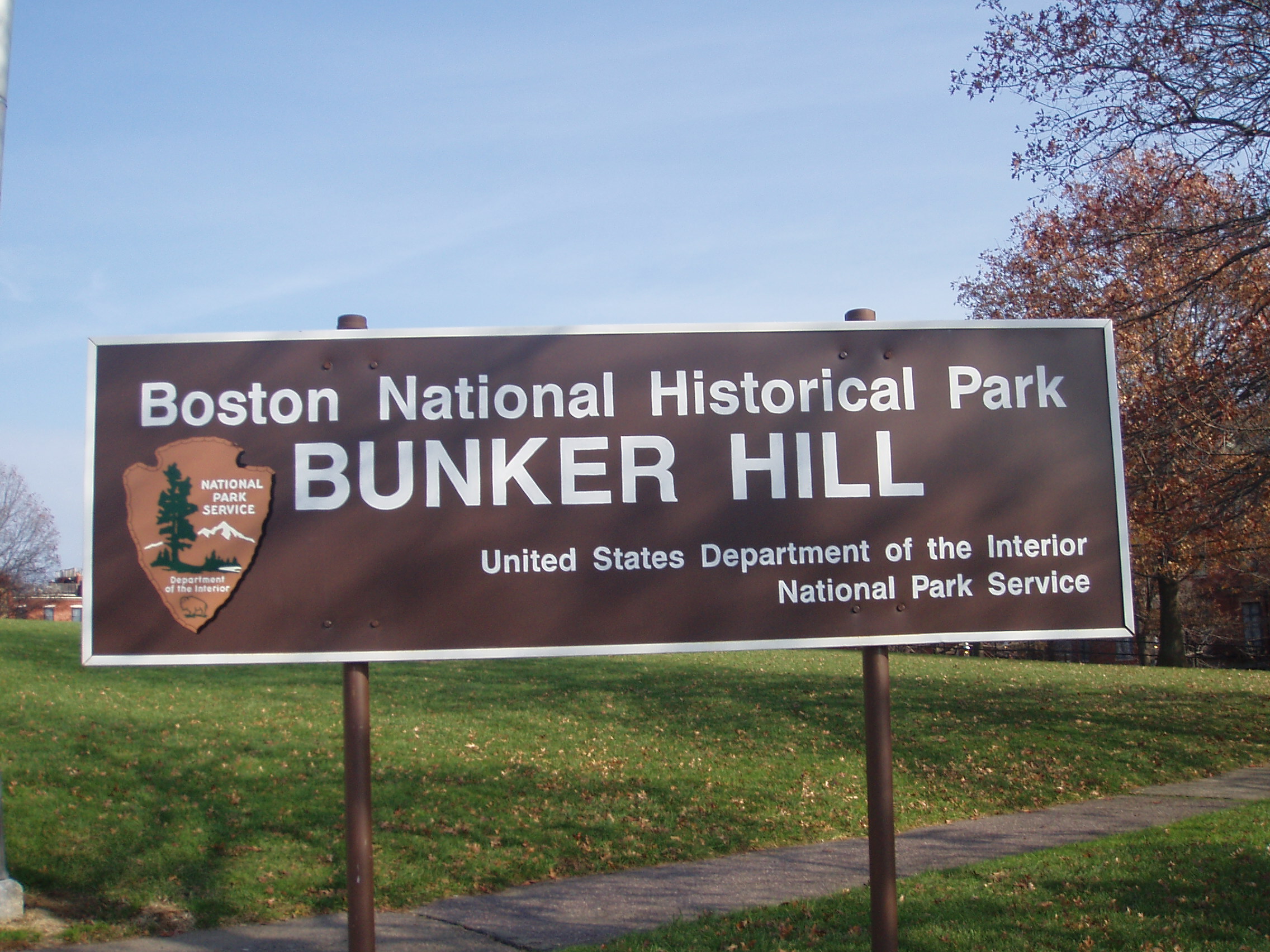
Archaeologists and veteran volunteers have uncovered musket balls and fort remnants at the site of the Battle of Bunker Hill in Boston [1].
These findings provide physical evidence of colonial defensive positions and the scale of combat during the Revolutionary War. By analyzing the layout of the remnants, researchers can better understand the strategic movements of soldiers during the engagement.
City of Boston Archaeologist Joe Bagley is among the professionals leading the excavation this month [1]. The team is working near the Bunker Hill Monument to locate and preserve historic evidence of the conflict [2]. The dig aims to study how colonial forces utilized the terrain to resist British advances [3].
The excavation occurs roughly 250 to 251 years [4, 5] after the 1775 battle. While the site has been known for centuries, modern archaeological techniques allow for a more precise mapping of the fortifications [2]. The recovery of musket balls offers a direct link to the combat that occurred on the hillside.
Veteran volunteers have joined the effort to assist in the recovery of these artifacts [1]. Their participation combines military experience with historical research to help identify the nature of the uncovered debris [3].
“Though the Americans lost that battle, it galvanized the entire colonies against the British,” Bagley said [1].
The project continues to focus on the preservation of these artifacts to ensure the history of the Revolutionary War remains accessible for future study [3].
“Archaeologists and veteran volunteers have uncovered musket balls and fort remnants.”
The discovery of tangible military remnants at the Bunker Hill site allows historians to move beyond written accounts and reconstruct the physical reality of the battlefield. By mapping the exact locations of musket balls and fort walls, researchers can validate or challenge existing narratives regarding the colonial defensive strategy and the intensity of the 1775 clash.


