
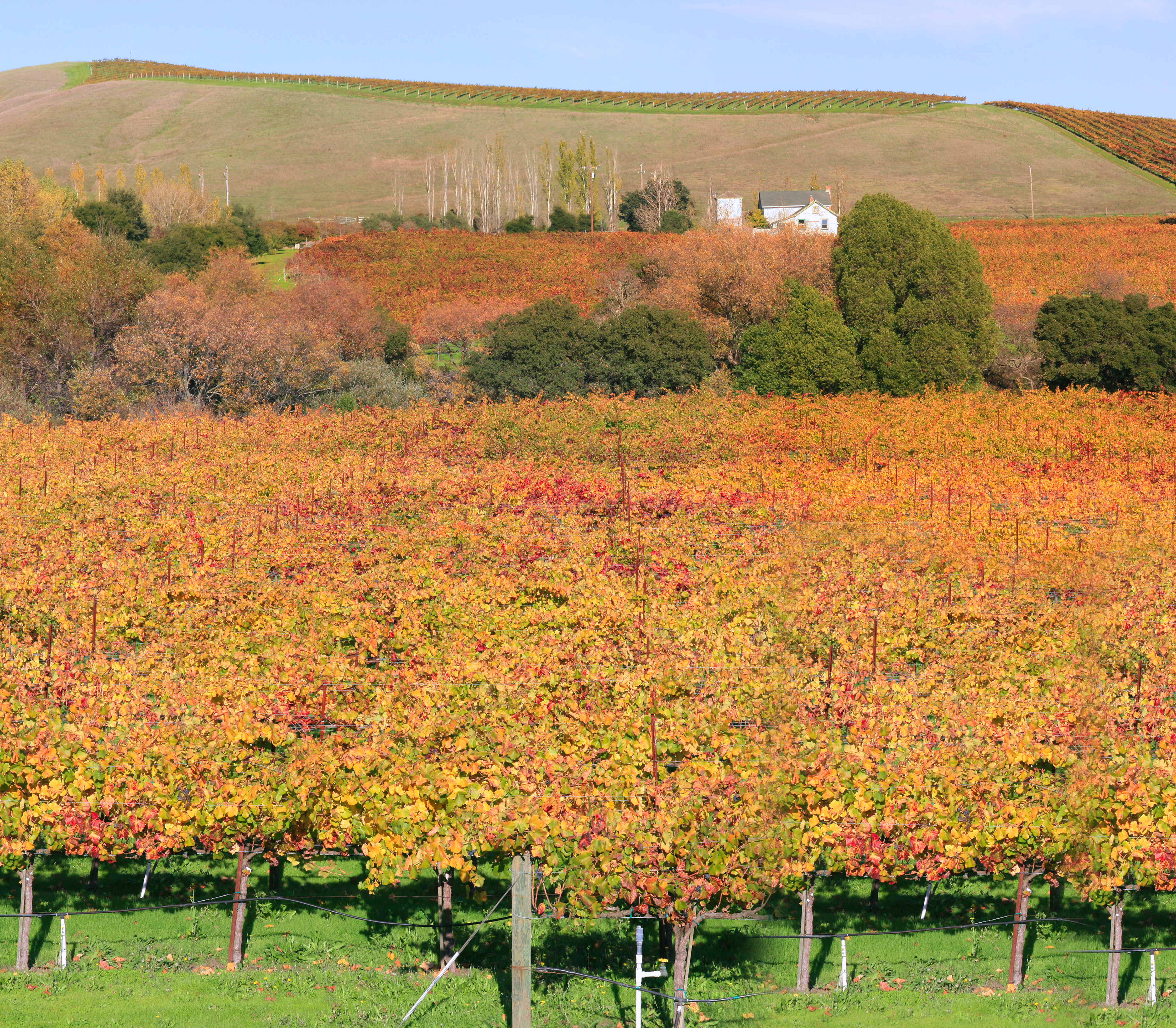
California winemakers produce a unique style of wine defined by the state's Mediterranean climate and diverse micro-climates [1].
These environmental factors matter because they allow U.S. producers to distinguish their products from those in cooler global regions. By leveraging ample sunshine and varied terroir, California creates a specific profile that differs from the wines of France or New Zealand [1].
The state's approach focuses on bold, fruit-forward flavors [1]. This is achieved through a combination of innovative winemaking techniques and the natural advantages of the geography [1, 2].
Two primary wine-tourism regions serve as the center of this industry: Napa Valley and Sonoma County [3]. These areas are recognized for their ability to sustain high-quality production across different grape varieties [3].
Industry highlights often point to six iconic California wines that represent the pinnacle of the region's output [4]. The success of these wines is attributed to the specific interaction between the soil and the weather patterns found in the coastal and valley regions [1, 2].
Winemakers in these areas utilize the state's varied landscapes to experiment with fermentation and aging. This flexibility allows them to maintain a competitive edge in the global market while catering to a preference for more intense fruit profiles than those typically found in European vineyards [1].
“California wines are unique because of the state’s Mediterranean climate.”
The distinctiveness of California wine is a result of geographical advantage combined with technical innovation. By utilizing micro-climates, the region can produce a wide spectrum of styles that appeal to a global market preferring intensity over the subtlety of cooler-climate wines.


