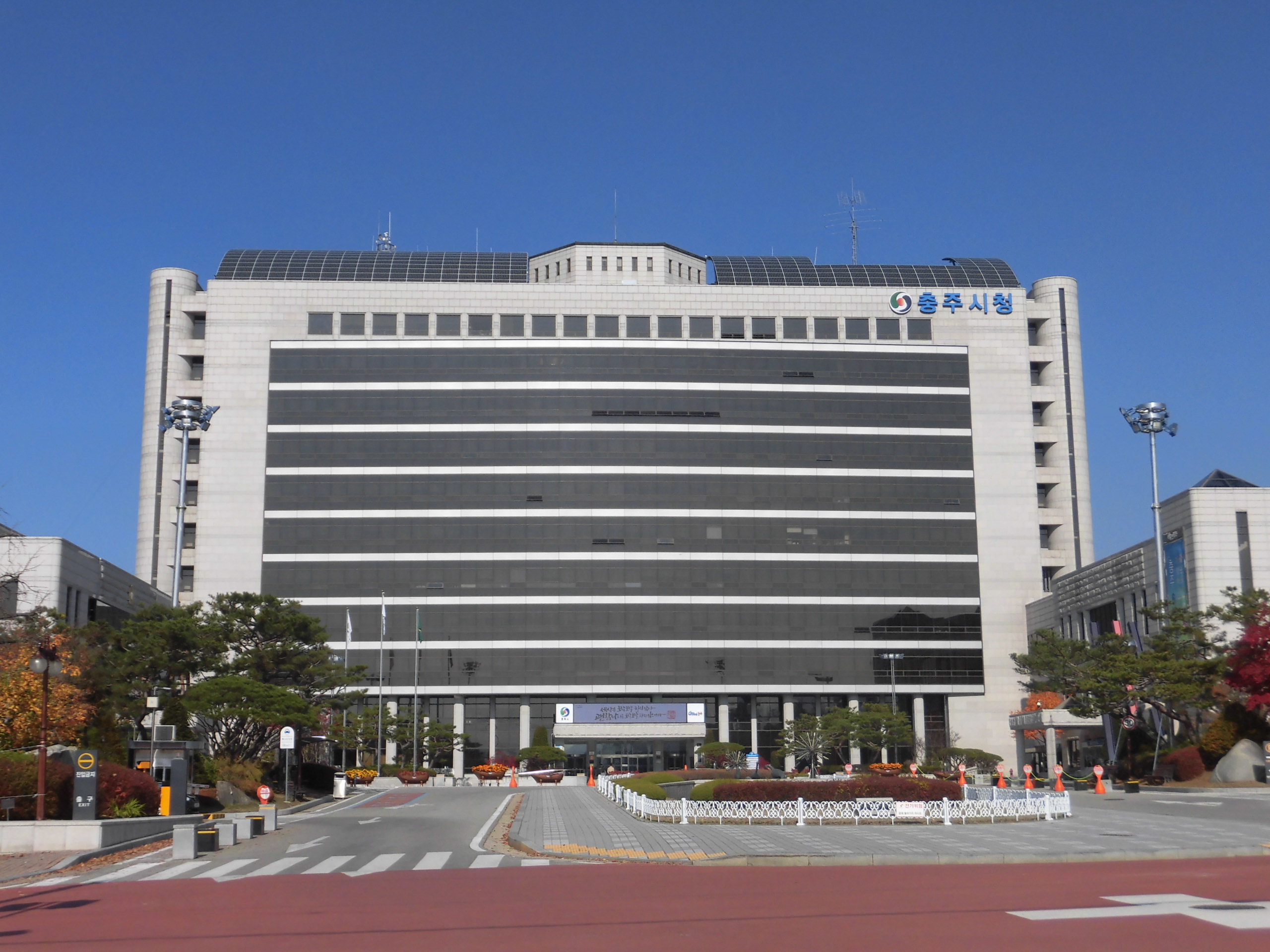
South Korean election officials ordered a recount of the Chungju mayoral election after a Democratic Party candidate petitioned the results [1, 2].
The decision follows a narrow victory margin that could be overturned if a significant number of invalid ballots are reclassified. Because the gap between the candidates is so small, the accuracy of the initial count is critical to the legitimacy of the local administration.
Maeng Jeong-seop, the Democratic Party candidate, requested the recount based on the observation that there were an unusually high number of invalid ballots [1, 2]. According to the dossier, the margin between the two mayoral candidates was only 124 votes [1]. Maeng said that the volume of discarded ballots was disproportionately high relative to this margin, potentially altering the final outcome [1, 2].
The North Chungcheong Province Election Commission accepted the petition on June 23, 2024 [1, 2]. This action comes 20 days after the local elections were held on June 3, 2024 [1].
Park Seong-min, a former Democratic top aide, said that Maeng requested the recount due to the excessive number of invalid votes [1]. The request follows a series of similar appeals filed across various regions in the country following the local polls [1].
Moon Jong-hyung, a media spokesperson for the People Power Party, also said the request was noted as the commission prepares to review the ballots [1, 2]. The process will determine if clerical errors or voter mistakes led to the high invalidation rate in Chungju City, North Chungcheong Province [1, 2].
“The margin between the two mayoral candidates was only 124 votes.”
The approval of this recount highlights a vulnerability in local election administration where a high rate of invalid ballots can cast doubt on narrow victory margins. By granting the petition, the election commission is attempting to ensure the outcome reflects the actual intent of the voters, though such disputes often intensify partisan friction during the transition of power.


