
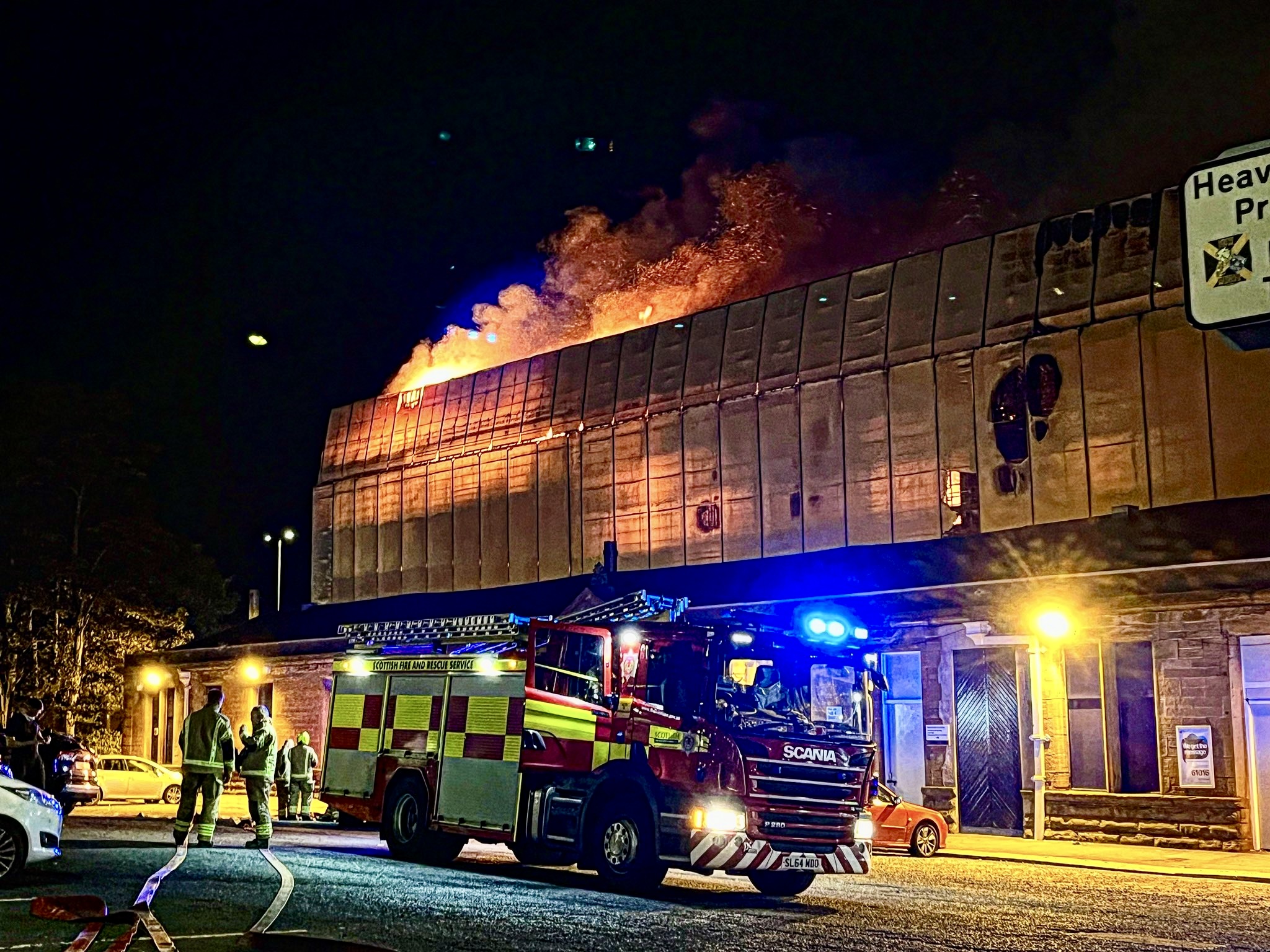
At least 21 people died after a massive fire broke out at the Flourish Stay hotel in Malviya Nagar, Delhi [1].
The tragedy highlights critical gaps in urban fire safety and the vulnerability of foreign visitors who utilize India's medical tourism sector. Because the victims included foreign medical tourists [1], the incident may impact the international reputation of Delhi's hospitality and healthcare infrastructure.
Dozens of other people were injured in the blaze [2]. Local residents attempted to rescue guests by using mattresses to catch people leaping from the burning building [1]. The desperation of those trapped inside underscored the severity of the fire and the failure of internal evacuation routes.
Authorities are investigating the cause of the disaster. A locked fire exit has become a primary focus of the inquiry, suggesting that safety violations may have contributed to the high death toll [1]. The lack of accessible emergency exits often turns manageable fires into lethal traps in densely populated urban areas.
Prime Minister Narendra Modi and opposition leader Rahul Gandhi offered condolences following the event [2]. Both leaders expressed grief over the loss of life, though the focus of the government remains on the ongoing investigation into the hotel's compliance with safety codes.
The incident has sparked renewed calls for stricter enforcement of fire safety norms for small-to-mid-sized hotels in the capital. Many such establishments operate in residential zones where narrow streets can hinder the arrival of emergency services.
“At least 21 people died after a massive fire broke out at the Flourish Stay hotel”
This event underscores a systemic failure in the enforcement of building codes within Delhi's hospitality sector. The presence of foreign medical tourists among the dead suggests that safety lapses are not only a local risk but a liability for India's growing medical tourism industry, which relies on the perceived safety and reliability of its urban infrastructure.


