
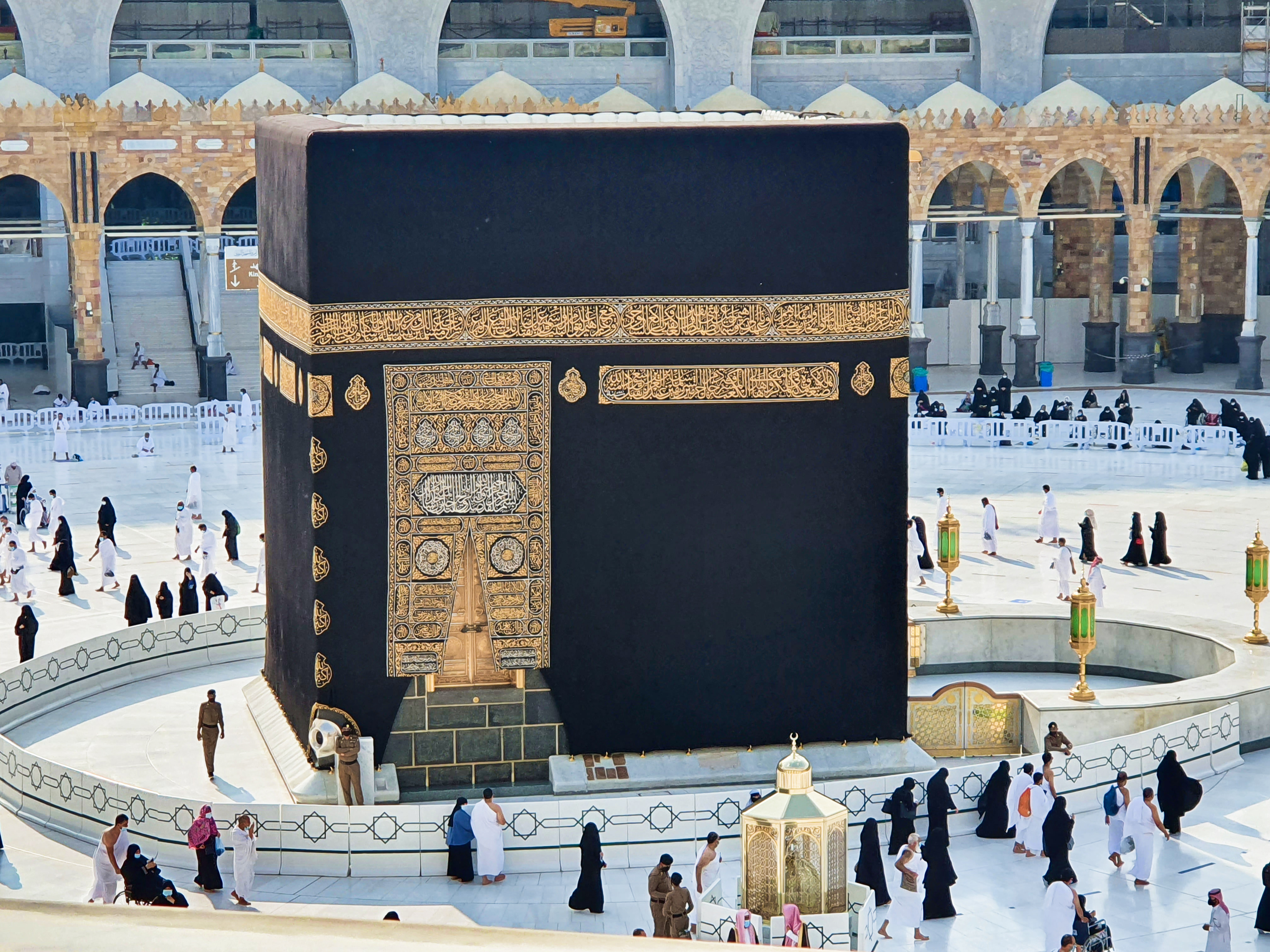
Muslim pilgrims in Mecca are performing the traditional stoning of the devil ritual by hurling pebbles at pillars representing Satan [1].
This mandatory rite serves as a symbolic rejection of temptation and marks the beginning of Eid al-Adha, one of the most significant festivals in the Islamic calendar [1, 2].
Millions of pilgrims have gathered in Saudi Arabia for the 2026 Hajj [3]. The ritual involves the throwing of small stones at three pillars, a practice intended to emulate the actions of the Prophet Abraham. The event coincides with the start of the holiday Eid al-Adha [2, 3].
There are varying reports regarding the specific timing of the event within the pilgrimage sequence. Some records indicate the ritual occurred on the second day of Hajj [3], while other reports describe it as the third day of the ritual [1].
Main Hajj rituals for 2026 were centered around Monday, May 25 [4]. The stoning process is a critical component of the pilgrimage, requiring participants to navigate crowded areas in Mecca to reach the pillars. This year's pilgrimage continues despite regional tensions, including the ongoing Iran war [4].
The ritual is not only a personal spiritual exercise but a collective act of faith performed by a global community. By casting stones, pilgrims signify their commitment to resist evil, and follow the path of righteousness [1, 3].
“Muslim pilgrims in Mecca are performing the traditional stoning of the devil ritual”
The stoning of the devil is a pivotal transition in the Hajj, moving the pilgrims from the period of intense reflection and prayer toward the celebratory phase of Eid al-Adha. The scale of the event—involving millions of people—highlights the logistical complexity of the pilgrimage and the enduring spiritual significance of these rites despite contemporary geopolitical instability in the region.


