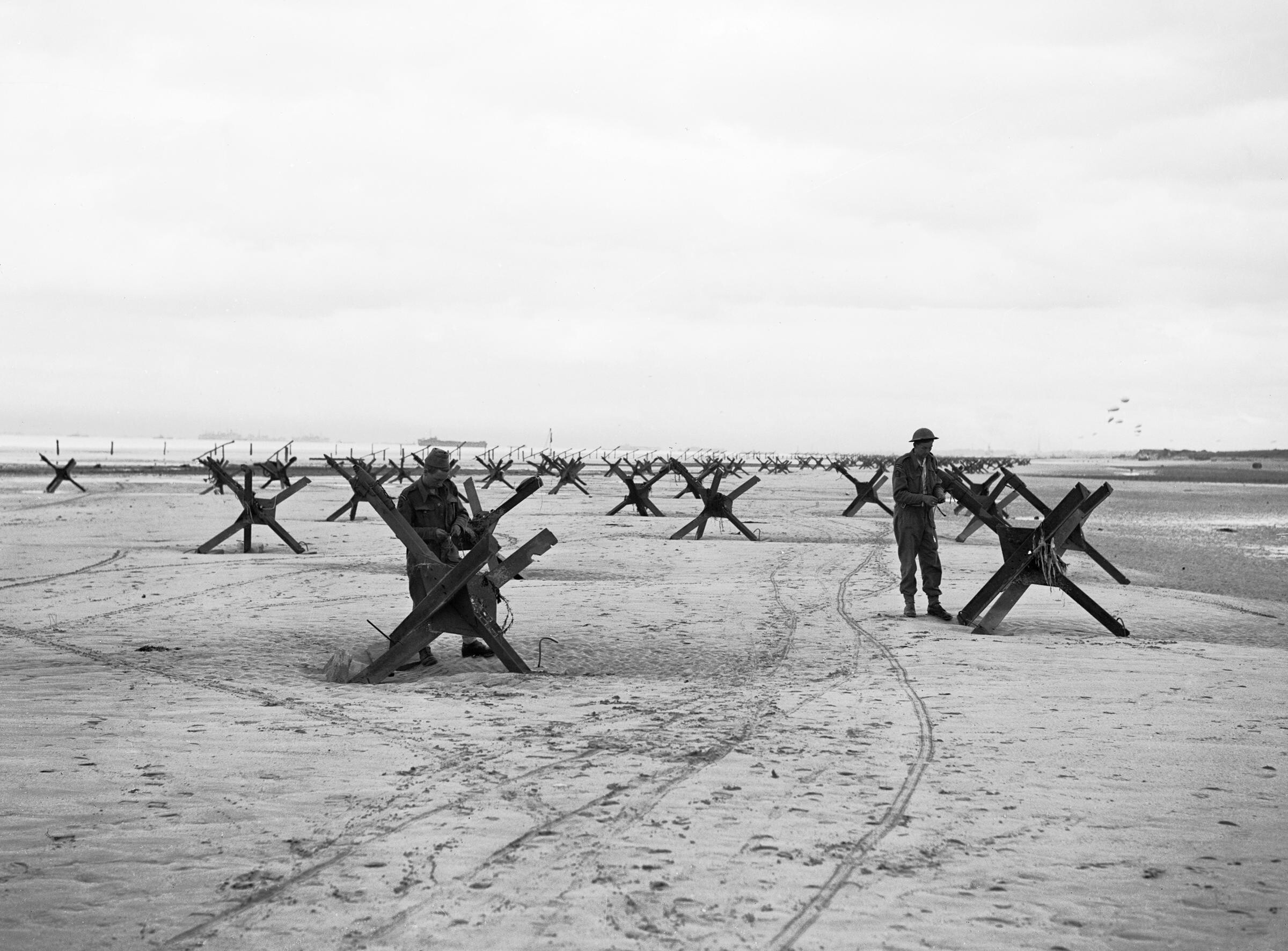
U.S. Defense Secretary Pete Hegseth warned that illegal immigration threatens Western liberty during a speech at a D-Day anniversary ceremony in France.
The remarks link a historic military operation to modern border security, signaling a shift in how the U.S. frames the preservation of democratic freedoms to its NATO allies.
Hegseth spoke Saturday, June 6, 2026, at a commemorative ceremony in Normandy [1]. The event marked the 75th anniversary of the D-Day landings [1]. During his address at the memorial site, Hegseth argued that uncontrolled sea-borne immigration constitutes an invasion that endangers the liberties secured by Allied forces in 1944 [1], [2], [3].
"If we don't act, the freedoms we fought for could be lost to an invasion of illegal immigration," Hegseth said [1].
The Defense Secretary used the platform to call for increased cooperation among international partners in securing borders. He said that capable allies must be right there with the United States in defending these freedoms [4].
French officials responded to the rhetoric by emphasizing the solemnity of the occasion. French Defense Minister Sébastien Lecornu said that they honor the memory of those who fell and will not politicize their sacrifice [5].
The speech occurred amid ongoing discussions regarding the role of NATO and the shared responsibilities of member states. Hegseth's framing of immigration as a security threat mirrors a broader effort to align military readiness with border enforcement, a strategy that views territorial integrity as the primary pillar of national defense [4].
“"If we don't act, the freedoms we fought for could be lost to an invasion of illegal immigration."”
By invoking the D-Day landings to describe illegal immigration, the U.S. Defense Secretary is attempting to redefine 'invasion' from a traditional state-on-state military conflict to a demographic and border security crisis. This rhetoric pressures NATO allies to view migration management as a core component of collective security, though the pushback from French leadership suggests a diplomatic rift over the use of historic war memorials for contemporary political messaging.