
India's benchmark stock indices, the BSE Sensex and NSE Nifty, turned flat on Tuesday after falling during early trade [1], [2].
The stabilization of these indices reflects the market's attempt to absorb external shocks from global energy markets and volatile regional trading patterns.
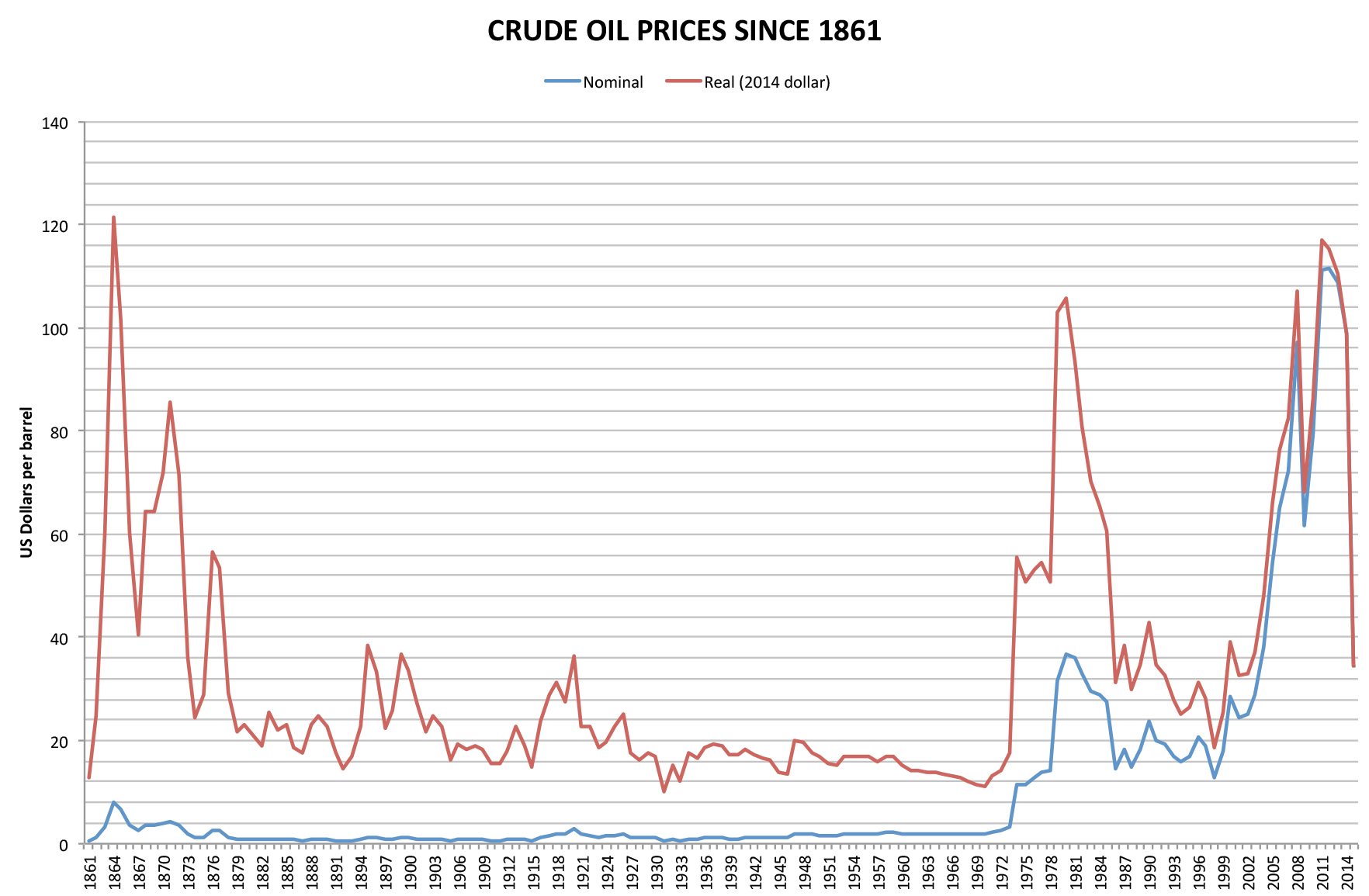
Trading began with a downward trend as the BSE Sensex declined to 76,224.14 points [1]. Similarly, the NSE Nifty dipped to 24,004.10 points during the opening session [1]. Analysts said this initial volatility was due to a rise in crude oil prices and a mixed trend across Asian equities [2].
As the trading day progressed, the markets recovered from these early losses to reach a neutral state. The BSE Sensex later traded up by 44.43 points to reach 76,521.93 [3]. The NSE Nifty followed a similar recovery path, quoting 17.20 points higher at 24,048.85 [3].
The shift from early losses to a flat trajectory indicates a period of consolidation among investors. While the rise in crude oil prices initially pressured sentiment, given India's reliance on energy imports, the subsequent stability suggests that domestic buyers stepped in to support the indices [2].
Market participants monitored the movements of the Bombay Stock Exchange and National Stock Exchange in Mumbai throughout the session [1], [3]. The transition from a dip to a flat close highlights the tug-of-war between bearish global indicators and bullish domestic resilience.
“India's benchmark stock indices, the BSE Sensex and NSE Nifty, turned flat on Tuesday after falling during early trade”
The volatility seen in the early session underscores the sensitivity of the Indian equity market to crude oil price fluctuations. Because India imports a significant portion of its oil, rising costs typically trigger inflationary concerns and pressure corporate margins. The eventual stabilization suggests that while global headwinds are present, there is sufficient domestic liquidity and investor confidence to prevent a sustained sell-off.


