
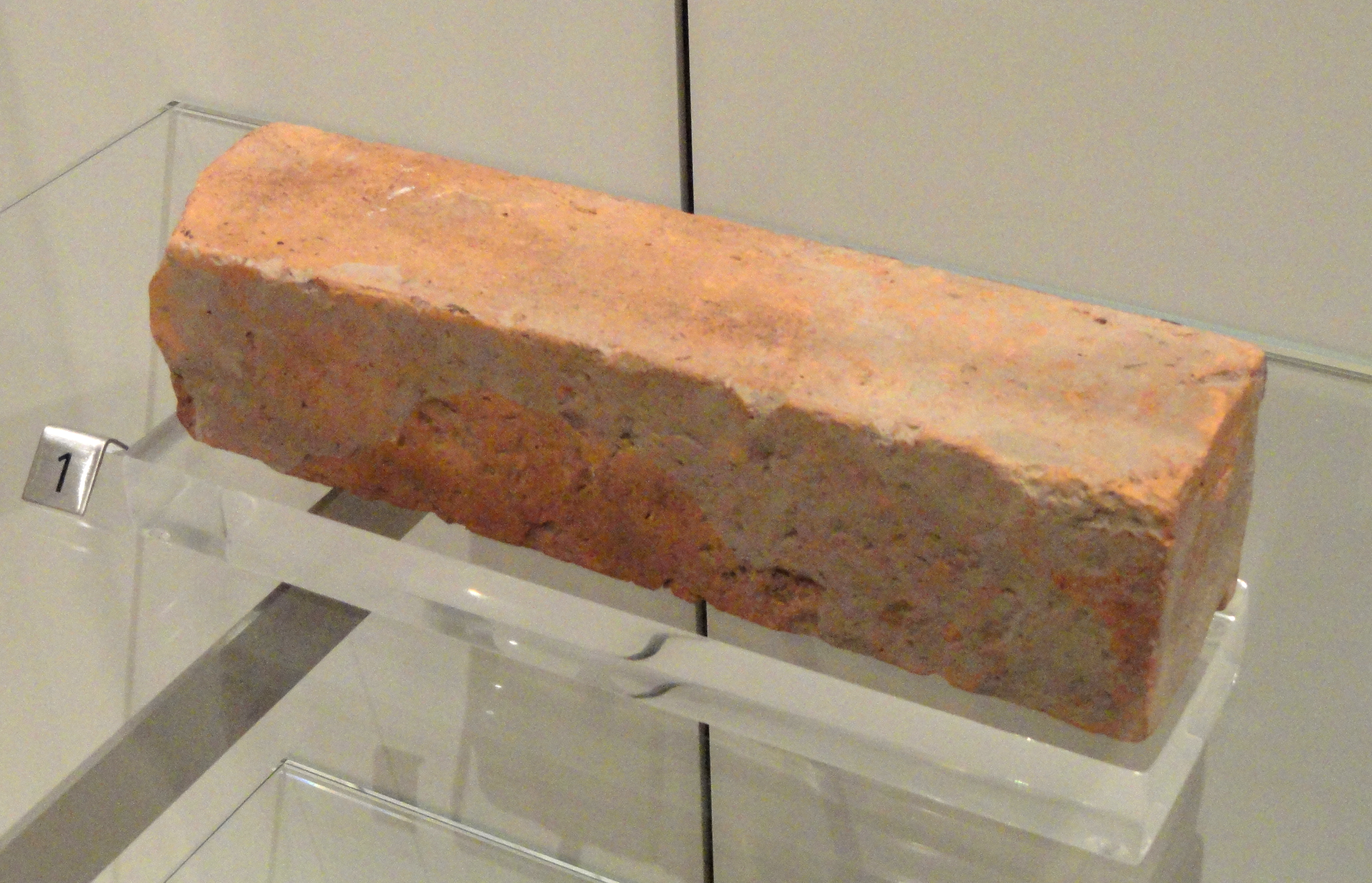
Online debates have intensified regarding the cultural ownership of the Indus Valley Civilization and the status of Hindu and Sikh heritage sites in Pakistan.
These disputes reflect deeper tensions in the cultural politics of the region. Because historical narratives often shape national identity, the struggle to define the lineage of the Indus Valley influences how present-day Pakistan views its relationship with its neighbors and its own minority populations.
Some Pakistanis argue that the nation possesses a 5,000-year cultural lineage [1]. This claim is based on the age of the Indus Valley Civilization, which dates back roughly 5,000 years [1]. By anchoring national identity to this ancient era, proponents suggest a continuity of civilization that predates modern political borders.
However, this perspective is contested by commentators in India and other critics. The debate centers on whether a modern state can claim the heritage of a prehistoric civilization that spanned across what are now two different countries. These arguments often intersect with the physical preservation and accessibility of religious sites within Pakistan.
Specifically, the treatment of Hindu and Sikh heritage sites has become a focal point of the online friction. Critics and activists have raised questions about how these sites are managed, and whether they are recognized as integral parts of the region's history. The tension highlights a conflict between a state-driven national narrative and the diverse religious histories of the land.
State officials and citizens continue to engage in these digital disputes as the region grapples with the complexities of its pre-Islamic past. The discourse remains a volatile mix of archaeology, religion, and geopolitics — reflecting the enduring influence of ancient history on modern diplomacy.
“The Indus Valley Civilization dates back roughly 5,000 years [1].”
The struggle over the Indus Valley legacy is not merely academic; it is a conflict over legitimacy. By claiming a 5,000-year history, Pakistan seeks a civilizational identity that rivals the historical narratives of India. Conversely, the focus on Hindu and Sikh sites underscores the challenge of reconciling a modern Islamic national identity with a pluralistic ancient past.


