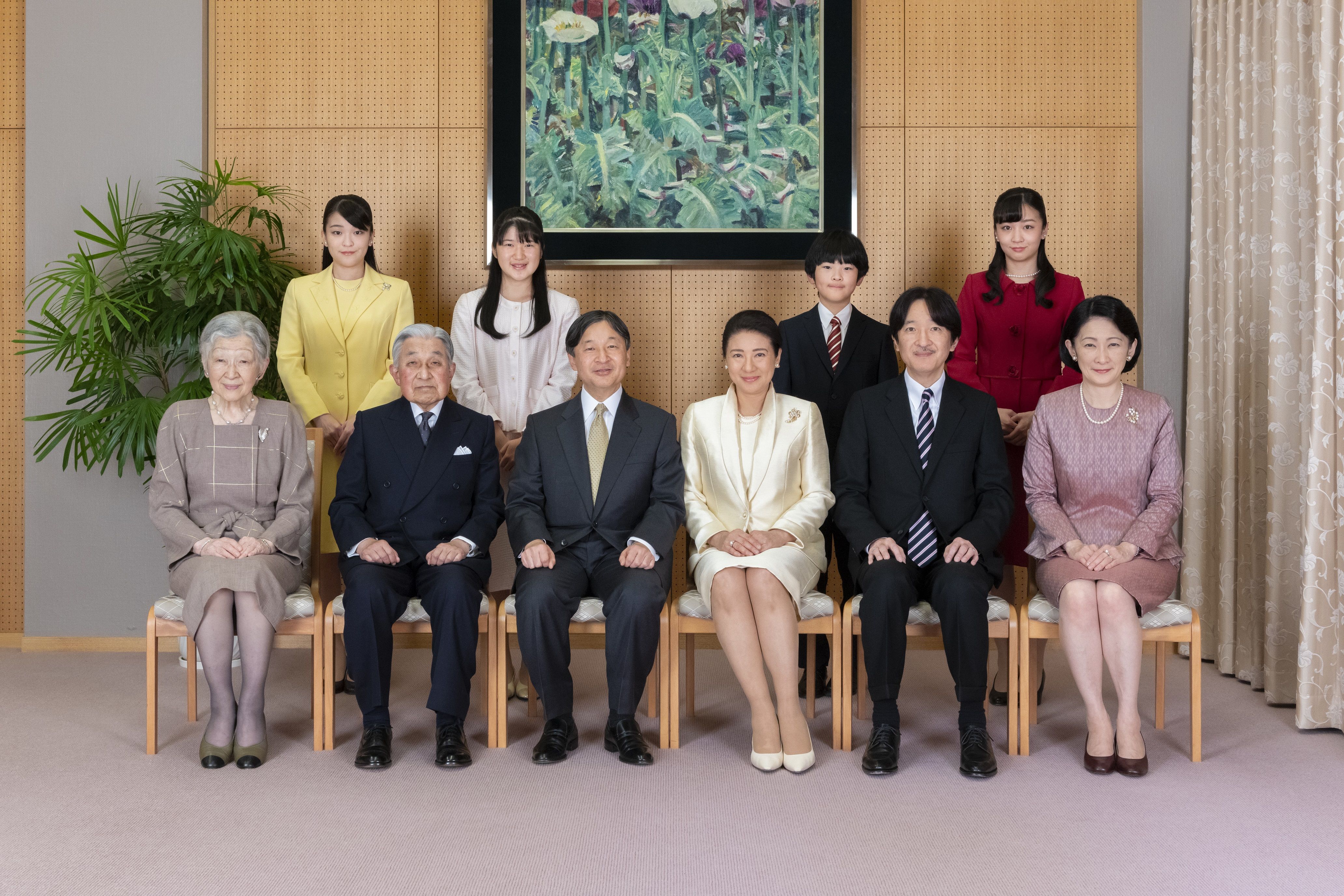
The Japanese government presented draft guidelines on June 22 [1] to amend the Imperial House Law and preserve the royal family's membership.
These changes are intended to address a declining number of imperial family members and ensure a sustainable line of succession [5]. The proposal comes as the government seeks to modernize the rules governing the monarchy while maintaining its traditional structure.
Chief Cabinet Secretary Yoshihiko Kihara presented the draft to the speakers and vice-speakers of the House of Representatives and the House of Councillors at the official residence of the Speaker of the House of Representatives in Tokyo [1]. Kihara said that while some work remains on the details, the proposal was generally accepted.
A central pillar of the draft is the provision that female imperial family members will not lose their royal status upon marriage [3]. Under current rules, women who marry commoners must leave the imperial family, which has contributed to the shrinking size of the household.
Additionally, the guidelines propose allowing the adoption of male-line descendants of former imperial families, provided the individuals are at least 15 years old [4]. However, there is a conflict in reporting regarding the rights of these adoptees; some reports indicate adopted males would be excluded from the line of succession [1], while others suggest they would retain those rights [2].
To ensure the law remains relevant, the draft includes a provision for a review of the legislation every 30 years [6].
Legislators are expected to begin formal deliberations soon. An all-party meeting to discuss the guidelines is scheduled for June 25 [2]. While the draft was presented on June 22 [1], some reports indicate that leadership of both houses received related presentations as early as June 8 [3].
Speaker of the House of Representatives Hiroyuki Mori said that the leadership would receive a revised version of the proposal [2].
“Female imperial family members [will] not leave the imperial status by marriage.”
These proposed amendments represent a significant shift in the Japanese monarchy's approach to gender and lineage. By allowing women to retain their royal status after marriage, Japan may prevent the further attrition of its royal household. The adoption of male-line descendants from former imperial branches serves as a pragmatic bridge to maintain the male-dominated succession line without immediately transitioning to a full female-led monarchy, which remains a point of contention among traditionalists.


