Jimmy Kimmel aired a segment titled “This Week in Unnecessary Censorship” that bleeped and blurred major television moments from the previous week [1, 2].
The segment uses satire to highlight how networks handle sensitive or controversial language during broadcasts. By applying heavy censorship to figures who are typically given wide platforms, the show critiques the inconsistency of media standards in the U.S.
The recurring feature focuses on clips involving high-profile public figures. In the most recent broadcast, the show targeted footage featuring Donald Trump, Sen. Lindsey Graham (R-SC), and sports analyst Charles Barkley [1, 2]. The production team applied digital blurs and audio bleeps to these clips to mimic the style of heavily edited news or talk show segments.
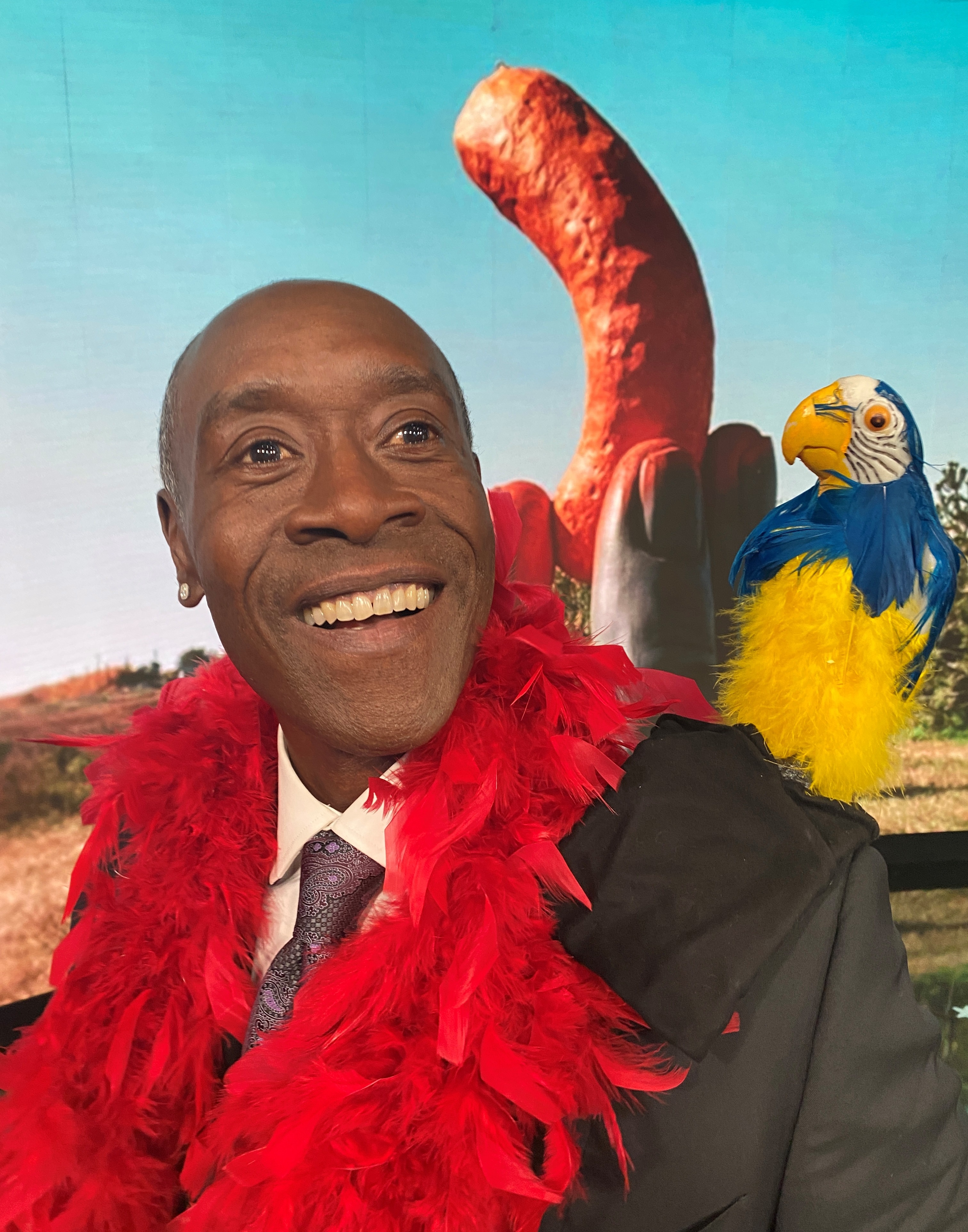
This approach allows the program to point out instances of what it considers unnecessary censorship in recent TV coverage [1, 2]. By removing the actual words spoken, the show forces the audience to focus on the act of censorship itself rather than the specific content of the speech.
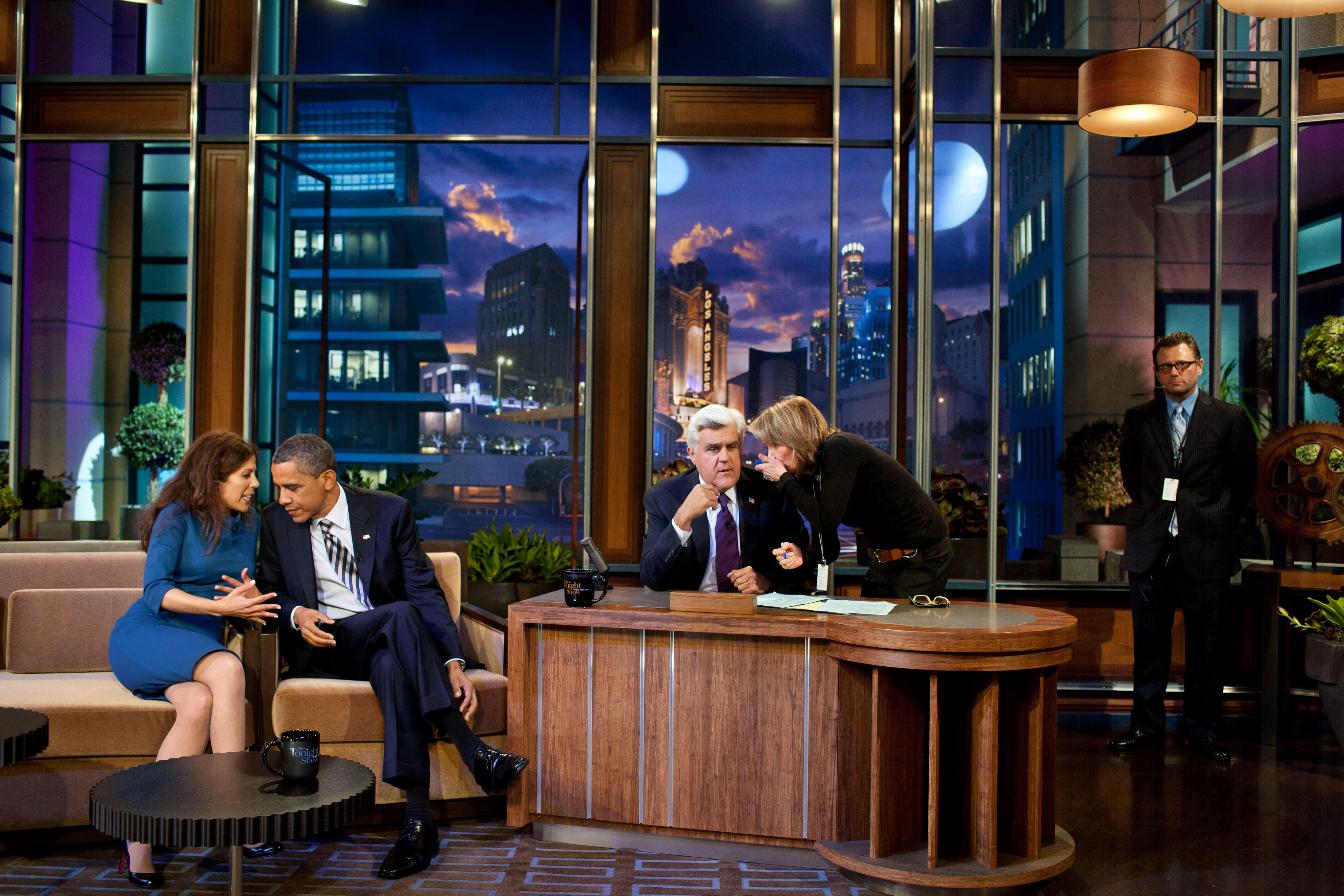
The segment was broadcast from the Jimmy Kimmel Live studio [1, 2]. The use of these specific guests suggests a focus on the intersection of politics, sports, and entertainment, where public discourse is often filtered through corporate or network guidelines.
Because the segment relies on visual and auditory manipulation, it serves as a commentary on the role of the editor in shaping public perception. The show presents these edited clips as a way to mock the perceived over-caution of modern broadcasting standards [1, 2].
“The segment uses satire to highlight how networks handle sensitive or controversial language.”
This segment reflects a broader trend in late-night comedy where hosts transition from simple joke-telling to meta-commentary on media consumption. By satirizing the process of censorship, the program highlights the tension between free speech and the corporate interests of television networks that determine what is fit for broadcast.