Residents of Karachi's Railway Colony blocked major roads on April 28, 2026, to protest unannounced power outages [4].
The demonstrations highlight the growing tension between urban populations and utility providers over the reliability of the electrical grid in Pakistan's largest city.
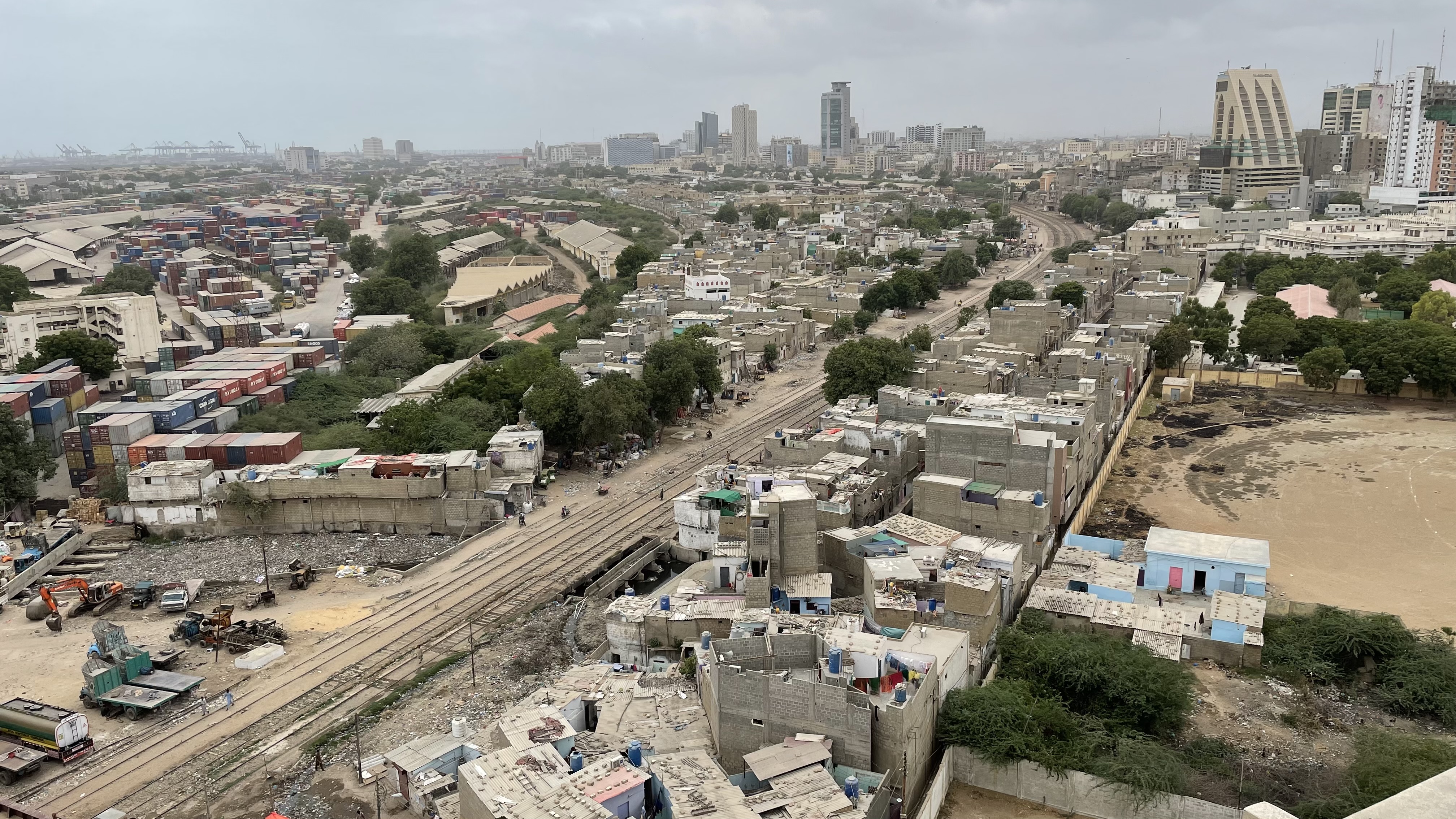
Protesters gathered near the Shaheen Complex in the Railway Colony area to voice grievances against K-Electric [3]. The residents accused the utility company of excessive and unannounced load-shedding, which they said led to prolonged power failures [1], [2].
According to reports, the specific outages that triggered the protest lasted for a week [1]. Some protesters said that daily outages reached up to 16 hours a day [2]. This lack of consistent power disrupted daily life and essential services for the community.
The demonstration resulted in hours of gridlock [3]. By blocking the main arteries of the city, the protesters brought traffic to a halt, affecting commuters and businesses throughout the area [2], [3].
Local residents said the mismanagement by K-Electric has become unsustainable. The blockade served as a physical manifestation of the frustration felt by those living in the Railway Colony, who feel ignored by the utility provider's administration [2].
“Daily outages reached up to 16 hours a day”
The disruption of Karachi's traffic by residential protesters underscores a systemic failure in utility management and communication. When citizens resort to blocking primary transit arteries to gain attention, it indicates that standard grievance channels with providers like K-Electric are perceived as ineffective, potentially leading to more frequent civil unrest during peak summer energy demands.