
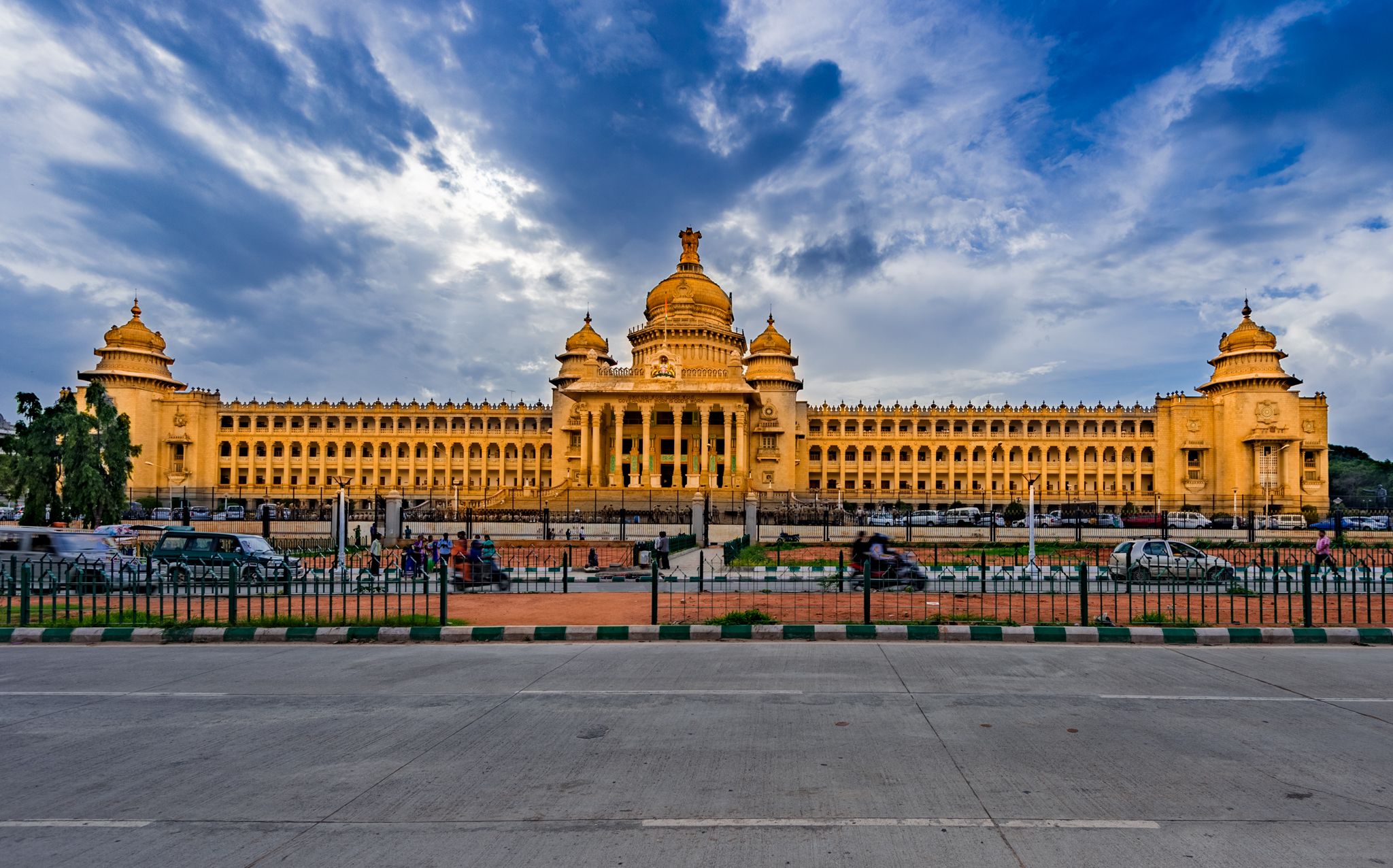
Karnataka Minister Ramalinga Reddy resigned Friday following a portfolio allocation by Chief Minister D K Shivakumar that sparked discontent within the state government.
The resignations and internal friction signal potential instability for the Congress party in Bengaluru after a recent leadership transition from Siddaramaiah to Shivakumar.
Shivakumar distributed roles to the 13-member cabinet [1] on Thursday. The chief minister retained the finance and personnel portfolios for himself [1]. This decision led to immediate dissatisfaction among senior leadership who said the assignments did not reflect their standing or expectations [1], [2].
Ramalinga Reddy submitted his resignation on Friday as a direct result of the allocation [1], [2]. Other senior figures, including K H Muniyappa, have also voiced criticism regarding how the ministries were assigned [1], [2]. The tension follows a broader shift in power within the Karnataka Congress, as the party attempts to stabilize under Shivakumar's leadership [3].
While the administration has not issued a formal response to the resignations, the loss of a senior minister creates a vacancy in the executive branch during a critical period of transition. The discontent centers on the perceived concentration of power, and the specific portfolios assigned to senior ministers who previously held different roles under the former leadership [1], [3].
“Ramalinga Reddy resigned Friday after Chief Minister D K Shivakumar distributed roles.”
The resignation of a senior minister immediately following a leadership change suggests a fragile coalition within the Karnataka Congress. By retaining high-influence portfolios like finance and personnel, Shivakumar has consolidated power, but at the cost of alienating veteran allies. This internal rift could weaken the government's legislative efficiency and create openings for political opposition in the state.


