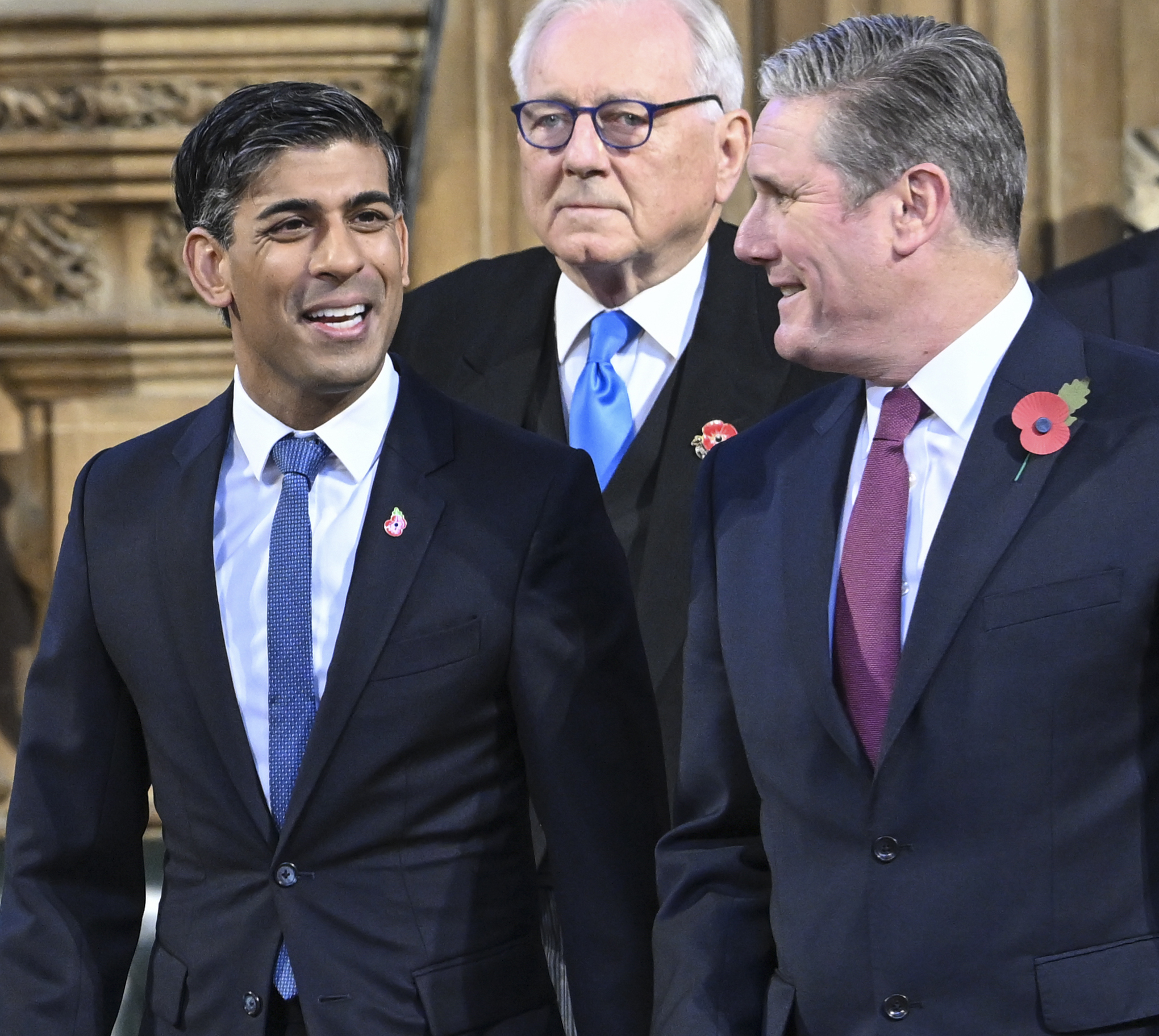
UK Prime Minister Keir Starmer announced his resignation as head of the government and the Labour Party on June 22, 2026 [1].
The departure marks a period of significant instability for British leadership. If a successor is appointed, Starmer would be the seventh prime minister to hold office in 10 years [2, 3].
Speaking outside No. 10 Downing Street in London, Starmer said he will remain in his position as a caretaker until a new leader is chosen [4, 5]. The transition is expected to conclude in the summer of 2026 [6].
The decision follows a two-year tenure characterized by turbulence. According to reports, Starmer faced cumulative pressure from both external political opponents, and from within the Labour Party [7, 8].
While Starmer has not named a specific date for his final departure, the party must now navigate a leadership contest to determine who will lead the government. The vacancy comes at a time when the UK continues to grapple with the political volatility that has defined the last decade.
This transition period allows the current administration to maintain basic functionality while the Labour Party internalizes its selection process. The caretaker arrangement ensures that the office of the prime minister does not remain vacant during the summer search for a successor [6].
“Starmer would be the seventh prime minister to hold office in 10 years”
The resignation of Keir Starmer underscores a persistent trend of leadership churn in the United Kingdom. By becoming potentially the seventh prime minister in a decade, the UK faces a continued struggle for long-term policy stability, as frequent changes in top leadership often lead to shifts in domestic and foreign priorities.


