
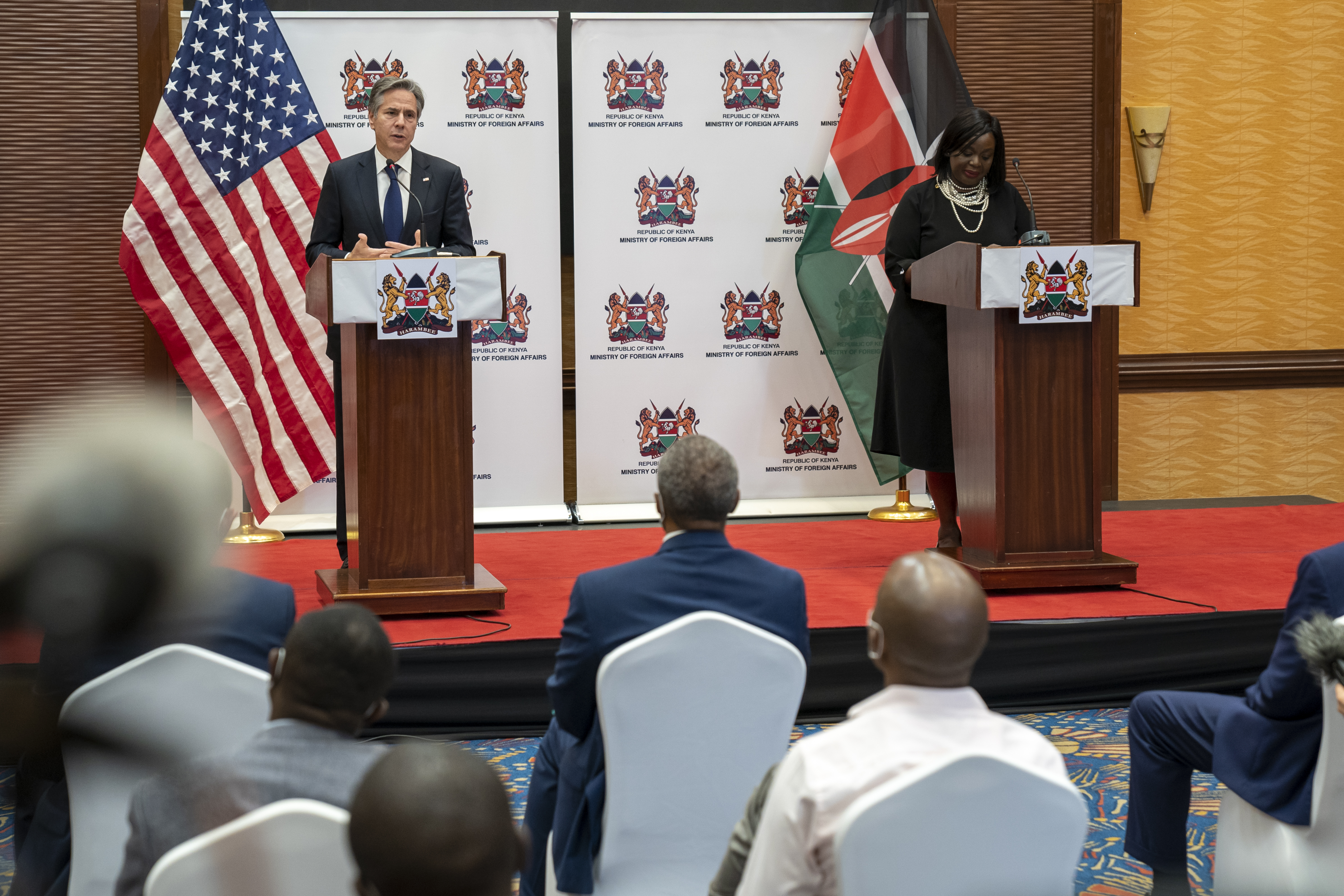
The Kenyan High Court ordered the suspension of a U.S. plan to establish an Ebola quarantine facility for Americans exposed to the virus [1].
The ruling halts a project that could have significantly altered public health protocols in Kenya. It reflects a tension between international diplomatic agreements and national health security, as the court addresses whether the facility poses an unacceptable risk to the local population [3].
The court issued the order on May 29, 2026 [2]. The decision temporarily blocks the U.S. government's proposal to set up the center for Americans who have been exposed to the virus, pausing the project pending further review [1].
Public outcry played a central role in the legal challenge. Opponents said that bringing Ebola-exposed individuals into the country could violate Kenyan public-health regulations, and create new health risks for citizens [3]. The facility would have served as a holding area for those monitoring for symptoms after potential exposure [1].
Some reports indicate the U.S. plan included sending patients who develop symptoms to European countries for care [1]. However, other reports on the proposal do not mention the transfer of symptomatic patients to Europe [3].
The suspension remains in place while the court evaluates the legality of the proposal and its impact on Kenyan sovereignty and safety [2]. The U.S. government has not yet provided a public response to the court's decision to halt the project [1].
“The Kenyan High Court ordered the suspension of a U.S. plan to establish an Ebola quarantine facility.”
This ruling underscores the legal priority of national health safety over foreign diplomatic initiatives. By blocking the facility, the Kenyan judiciary is asserting that the risk of introducing a highly infectious pathogen—even for quarantine purposes—outweighs the strategic utility of the U.S. proposal. This may set a precedent for how other nations handle requests for specialized medical facilities hosted by foreign powers.


