
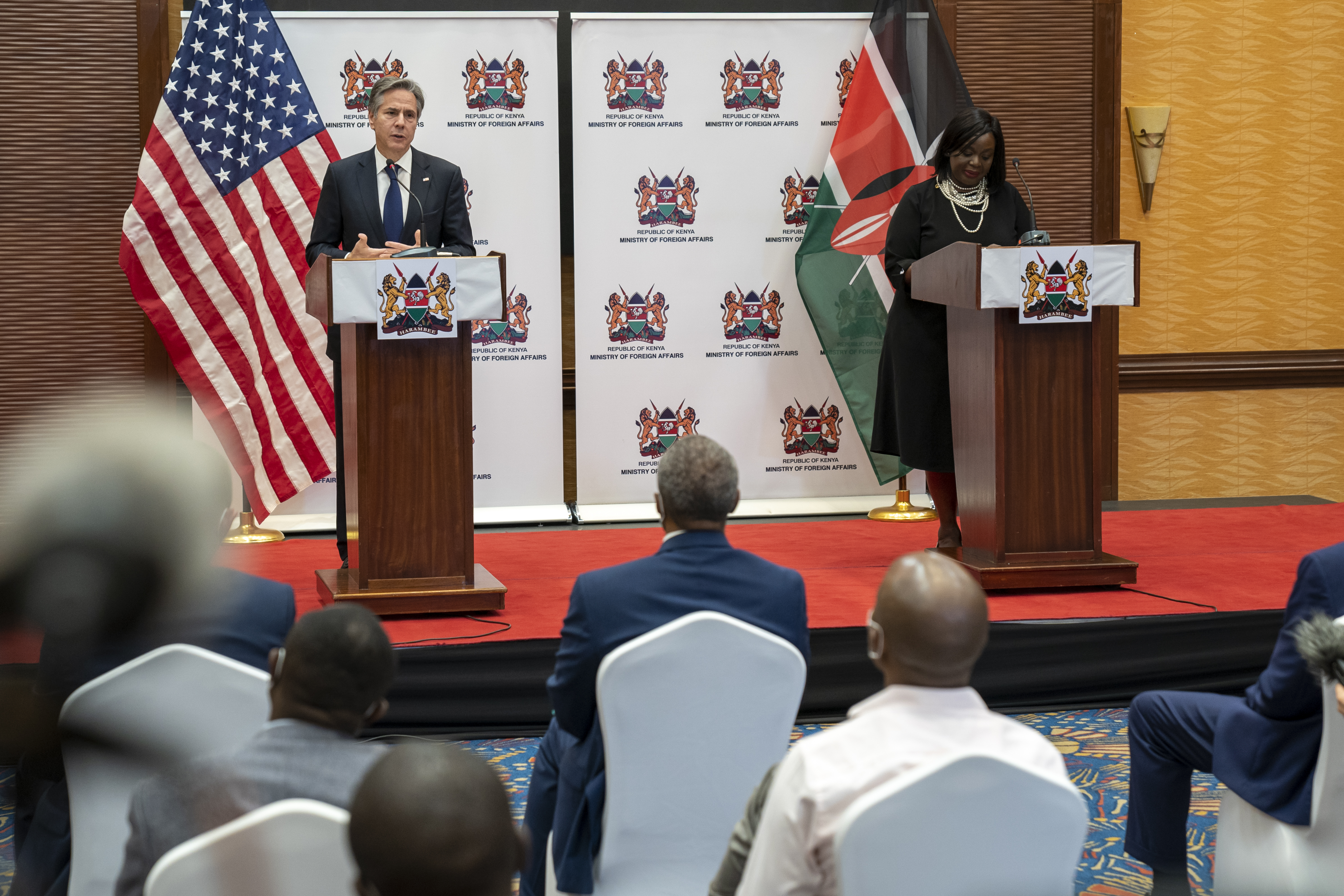
The Kenyan High Court on Friday suspended the planned opening of a U.S.-funded Ebola quarantine facility for American nationals [1].
The ruling halts a high-profile agreement between the two nations, reflecting growing domestic tension over the use of Kenyan soil for exclusive foreign health infrastructure.
The facility was scheduled to open on May 29, 2026 [2]. Located at the Laikipia Air Base, the center was designed with a capacity of 50 beds [3, 4]. The site was intended to serve as a specialized quarantine zone specifically for U.S. citizens [5].
The court's decision follows a petition filed by a Kenyan rights group [6]. This legal challenge emerged amid significant public backlash regarding the terms of the agreement with the United States [6]. Critics of the project argued against the establishment of a facility that would primarily benefit foreign nationals while utilizing Kenyan military infrastructure [6].
The suspension is temporary, meaning the court will further review the legality and the social implications of the project before a final determination is made [1, 7]. U.S. officials and the Kenyan government had coordinated the timeline to align with the May 29 opening date [2].
Legal representatives for the rights group said the move is necessary to ensure transparency, and protect national sovereignty. The court has not yet set a date for the next hearing to determine if the facility can eventually proceed.
“The Kenyan High Court on Friday suspended the planned opening of a U.S.-funded Ebola quarantine facility.”
This legal intervention highlights the friction between strategic bilateral security agreements and domestic sovereignty. By halting a facility reserved exclusively for Americans on Kenyan soil, the court is addressing a public perception of inequality in health resource allocation and the potential for foreign military bases to be used for non-defense purposes.


