'%2F%3E%0A%20%20%20%20%3Crect%20width%3D'1600'%20height%3D'900'%20fill%3D'url(%23v)'%2F%3E%0A%20%20%20%20%3Cg%20opacity%3D'0.08'%20fill%3D'%23ffffff'%3E%0A%20%20%20%20%20%20%3Ccircle%20cx%3D'1420'%20cy%3D'180'%20r%3D'220'%2F%3E%0A%20%20%20%20%20%20%3Ccircle%20cx%3D'1500'%20cy%3D'760'%20r%3D'120'%2F%3E%0A%20%20%20%20%3C%2Fg%3E%0A%20%20%20%20%3Cline%20x1%3D'80'%20y1%3D'172'%20x2%3D'220'%20y2%3D'172'%20stroke%3D'%23ffffff'%20stroke-width%3D'3'%20stroke-opacity%3D'0.6'%2F%3E%0A%20%20%20%20%3Ctext%20x%3D'80'%20y%3D'140'%20font-family%3D'Inter%2C%20-apple-system%2C%20Helvetica%2C%20sans-serif'%20font-weight%3D'700'%20font-size%3D'28'%20fill%3D'%23ffffff'%20letter-spacing%3D'6'%3EHANNA%20%C2%B7%20NEWS%3C%2Ftext%3E%0A%20%20%20%20%3Ctext%20x%3D'80'%20y%3D'230'%20font-family%3D'Inter%2C%20-apple-system%2C%20Helvetica%2C%20sans-serif'%20font-weight%3D'600'%20font-size%3D'40'%20fill%3D'%23ffffffb3'%20letter-spacing%3D'4'%3EWORLD%3C%2Ftext%3E%0A%20%20%20%20%3Ctext%20x%3D'80'%20y%3D'622'%20font-family%3D'Playfair%20Display%2C%20Georgia%2C%20serif'%20font-weight%3D'800'%20font-size%3D'86'%20fill%3D'%23ffffff'%20letter-spacing%3D'-1'%3EKenya%20High%20Court%20Halts%3C%2Ftext%3E%3Ctext%20x%3D'80'%20y%3D'721'%20font-family%3D'Playfair%20Display%2C%20Georgia%2C%20serif'%20font-weight%3D'800'%20font-size%3D'86'%20fill%3D'%23ffffff'%20letter-spacing%3D'-1'%3EUS-Funded%20Ebola%20Quarantine%3C%2Ftext%3E%3Ctext%20x%3D'80'%20y%3D'820'%20font-family%3D'Playfair%20Display%2C%20Georgia%2C%20serif'%20font-weight%3D'800'%20font-size%3D'86'%20fill%3D'%23ffffff'%20letter-spacing%3D'-1'%3ECenter%3C%2Ftext%3E%0A%20%20%20%20%3Ctext%20x%3D'80'%20y%3D'870'%20font-family%3D'Inter%2C%20-apple-system%2C%20Helvetica%2C%20sans-serif'%20font-weight%3D'500'%20font-size%3D'22'%20fill%3D'%23ffffff66'%20letter-spacing%3D'2'%3Enews.hanna-ai.com%3C%2Ftext%3E%0A%20%20%3C%2Fsvg%3E)
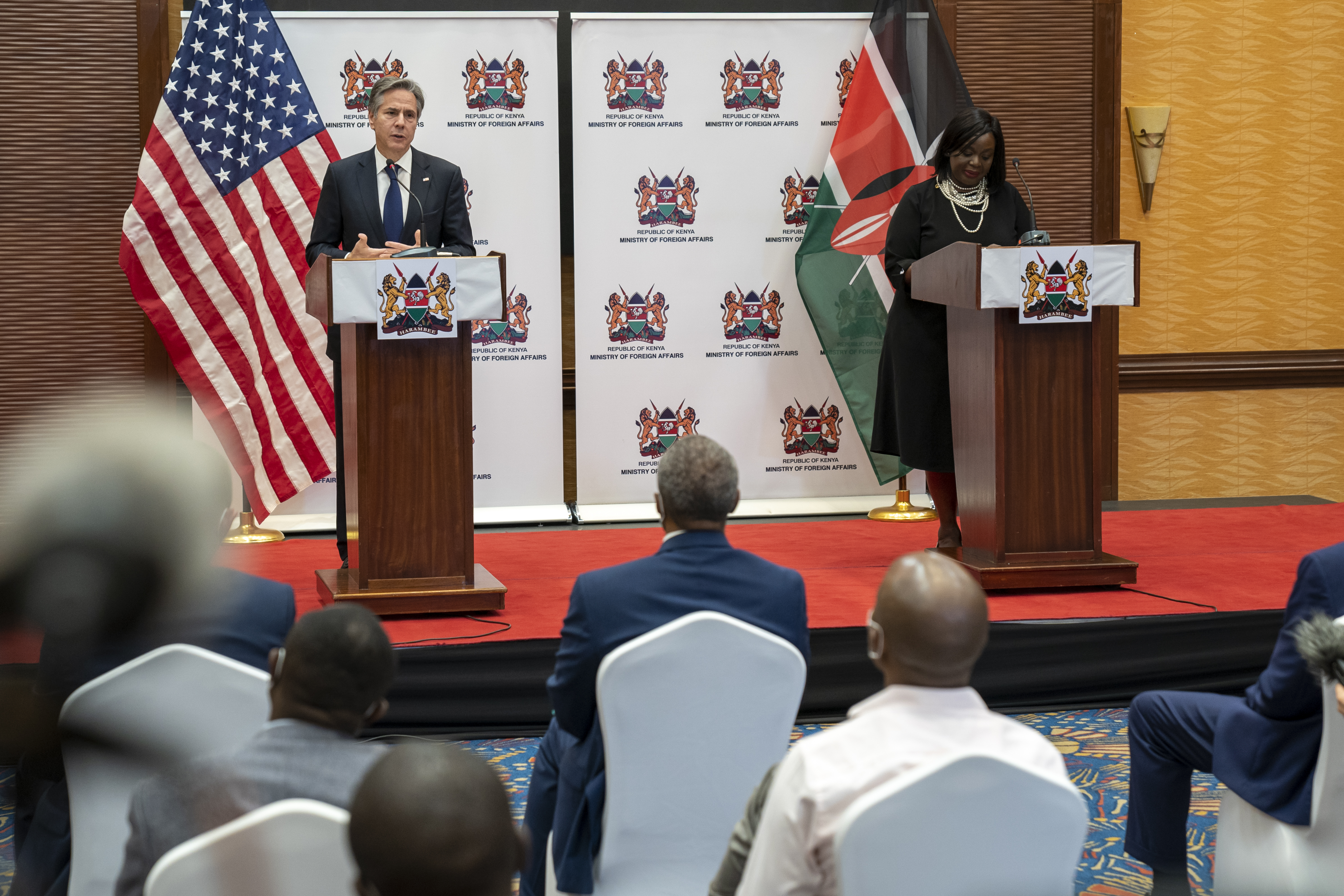
Kenya’s High Court has temporarily suspended a U.S.-funded plan to build an Ebola quarantine center for American citizens in Nanyuki [1].
The legal intervention follows intense local opposition to a facility that would house Americans exposed to the virus within Kenya. The project has sparked a significant debate over national sovereignty and the public health risks associated with maintaining a high-containment center on Kenyan soil.
Hundreds of protesters [1] gathered in the town of Nanyuki, located in Laikipia County, to voice their opposition. The demonstrations centered on the Laikipia Air Base, where the facility was slated for construction [1], [2]. Protesters said the plan prioritizes U.S. interests by keeping exposed citizens in the region rather than repatriating them to the United States [1], [3].
Local residents expressed concerns that the center could jeopardize the health and safety of the surrounding community. The prospect of hosting a specialized quarantine site for foreign nationals, without the requirement of their return to their home country, raised questions about the nature of the agreement between the two governments [2], [3].
The High Court's decision to halt the project comes as a response to these concerns. The court is now reviewing the legality and safety implications of the U.S.-funded scheme before any further construction or operation can proceed [1].
While the U.S. government has funded the initiative to manage potential Ebola exposures, the lack of a repatriation mandate has become the primary point of contention for the youth and community leaders in Nanyuki [2]. The suspension marks a critical pause in the diplomatic and health cooperation between the two nations regarding infectious disease management in East Africa [1].
“Kenya’s High Court has temporarily suspended a U.S.-funded plan to build an Ebola quarantine center”
This legal suspension reflects a growing tension between international health security initiatives and local sovereignty. By challenging the center, Kenyan citizens are asserting that public health infrastructure funded by foreign powers must not bypass standard repatriation protocols or compromise local safety, potentially setting a precedent for how other bilateral health agreements are scrutinized in the region.