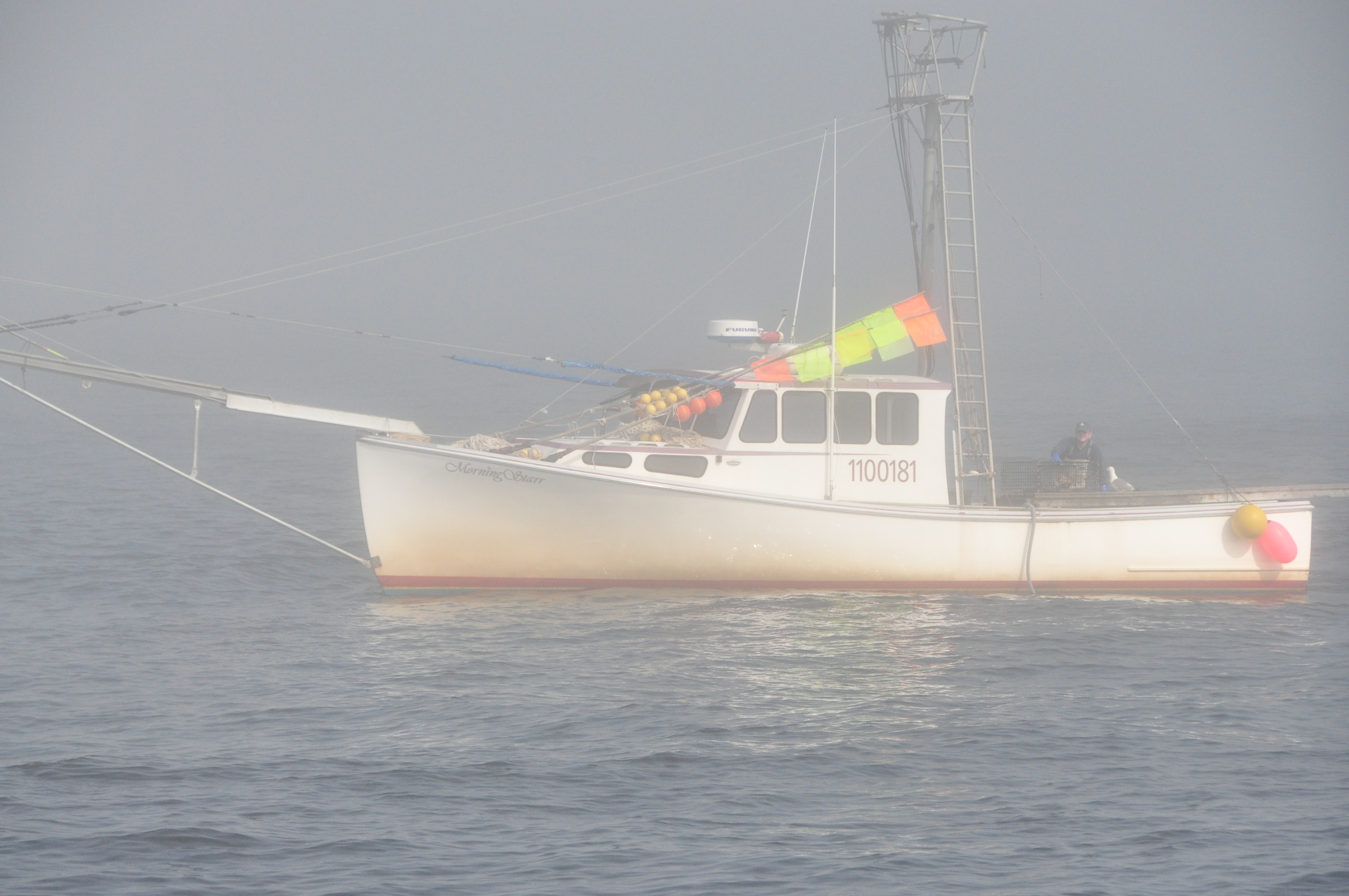
Maine lobstermen are catching fewer lobsters and spending more time docked because soaring diesel fuel prices have made fishing trips unaffordable [1, 2].
This trend threatens the economic stability of the state's coastal communities as the industry enters the critical summer season. When fuel costs exceed the potential profit from a haul, captains are forced to weigh the risk of financial loss against the necessity of harvesting.
Captain Chris Welch of Kennebunk, Maine, is among those affected by the price squeeze [1, 2]. The situation has led to a decrease in active fishing days across the rocky coast of Maine, as operators struggle to maintain their margins [1, 2].
Industry observers said broader oil market pressures are the driver of the cost increase [1, 2]. Some reports specifically link the surge in diesel prices to the Iran-Russia war [3]. This geopolitical instability has created volatility in energy markets, which directly impacts the overhead for small-scale commercial fishing operations.
Because lobster fishing relies heavily on diesel-powered vessels to navigate the coast and haul traps, there are few alternatives for these workers. The inability to afford fuel means fewer lobsters are reaching the market, which could lead to higher consumer prices, or reduced availability during peak demand months [1, 2, 3].
“Maine lobstermen are catching fewer lobsters and spending more time docked.”
The vulnerability of the Maine lobster industry to global energy fluctuations highlights a critical dependency on stable oil markets. If geopolitical tensions, specifically the Iran-Russia war, continue to drive up fuel costs, the industry may see a permanent shift toward larger, more consolidated operations that can better absorb these overhead costs, potentially displacing independent owner-operators.