
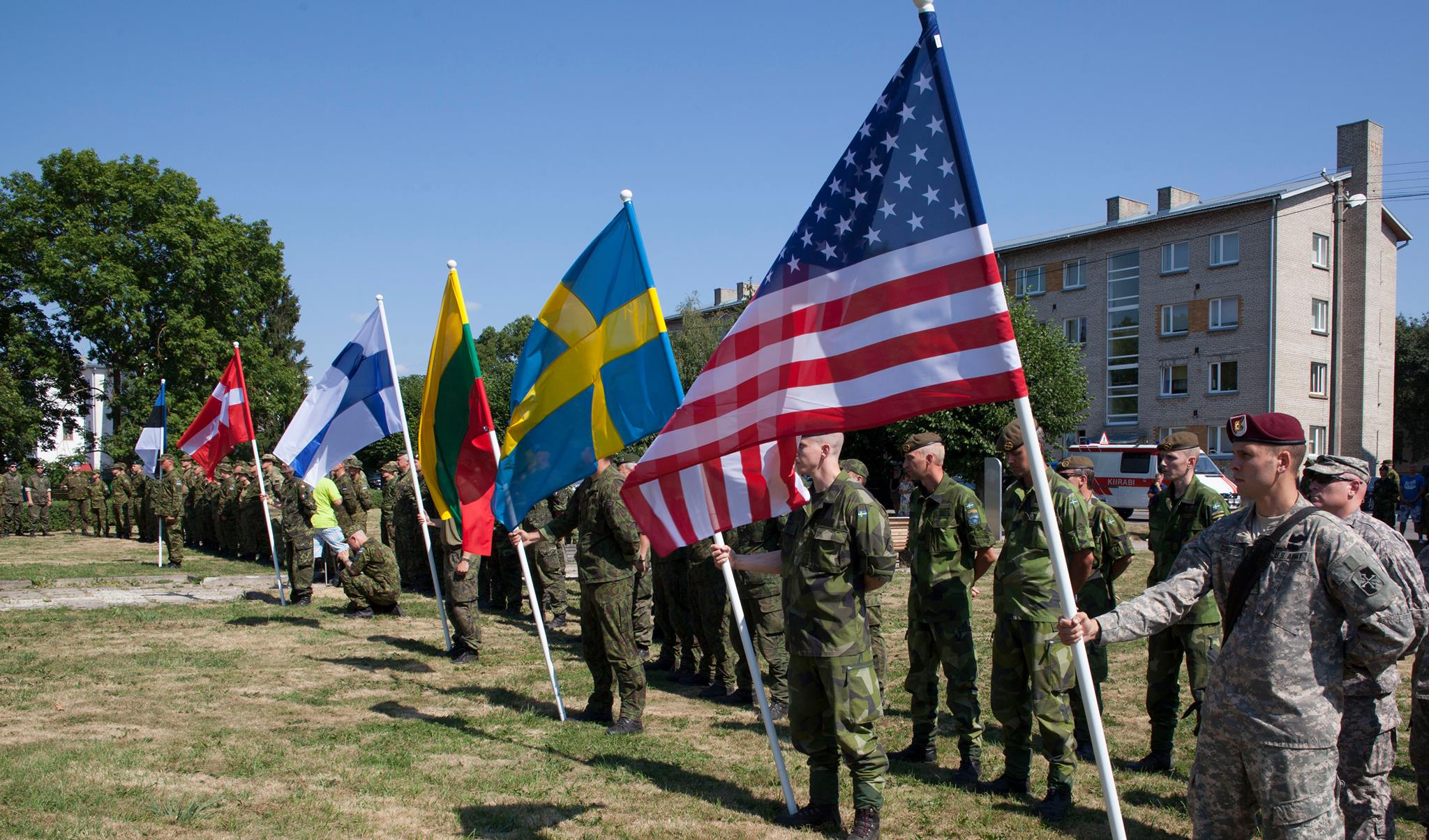
NATO forces from 19 allied nations [1] have launched Ramstein Flag 2026, a large-scale live-firing air force exercise involving more than 150 aircraft [1].
The drills occur amid heightened tensions with Russia and are designed to boost combat readiness, interoperability, and rapid-response capabilities [1].
Operations are taking place across several NATO-bordering countries. These include Finland and the Missomaa region of Estonia, which sits near the Russian border [1, 2]. The Missomaa area serves as a three-way borderland between Estonia, Latvia, and Russia [2].
The exercise focuses on live-firing maneuvers to ensure that the allied air forces can operate cohesively in high-pressure environments. By deploying a diverse fleet of aircraft, the alliance aims to demonstrate a unified front and a capable defense posture in the region [1].
This mobilization follows a period of increased military activity in Eastern Europe. Military analysts have previously noted Russian activity in the region, including the Zapad drills in 2025 [3].
NATO officials said the exercise is a necessary step to ensure the alliance can respond effectively to emerging threats. The scale of the operation, utilizing over 150 jets [1], underscores the commitment of the 19 participating nations to maintain a visible presence on the eastern flank.
“NATO forces from 19 allied nations have launched Ramstein Flag 2026”
The concentration of NATO air power in Finland and Estonia signifies a strategic shift toward permanent readiness on the alliance's eastern edge. By conducting live-firing exercises in proximity to the Russian border, NATO is signaling both a deterrent capability and a practical test of its ability to integrate diverse national air forces into a single operational command during a crisis.


