
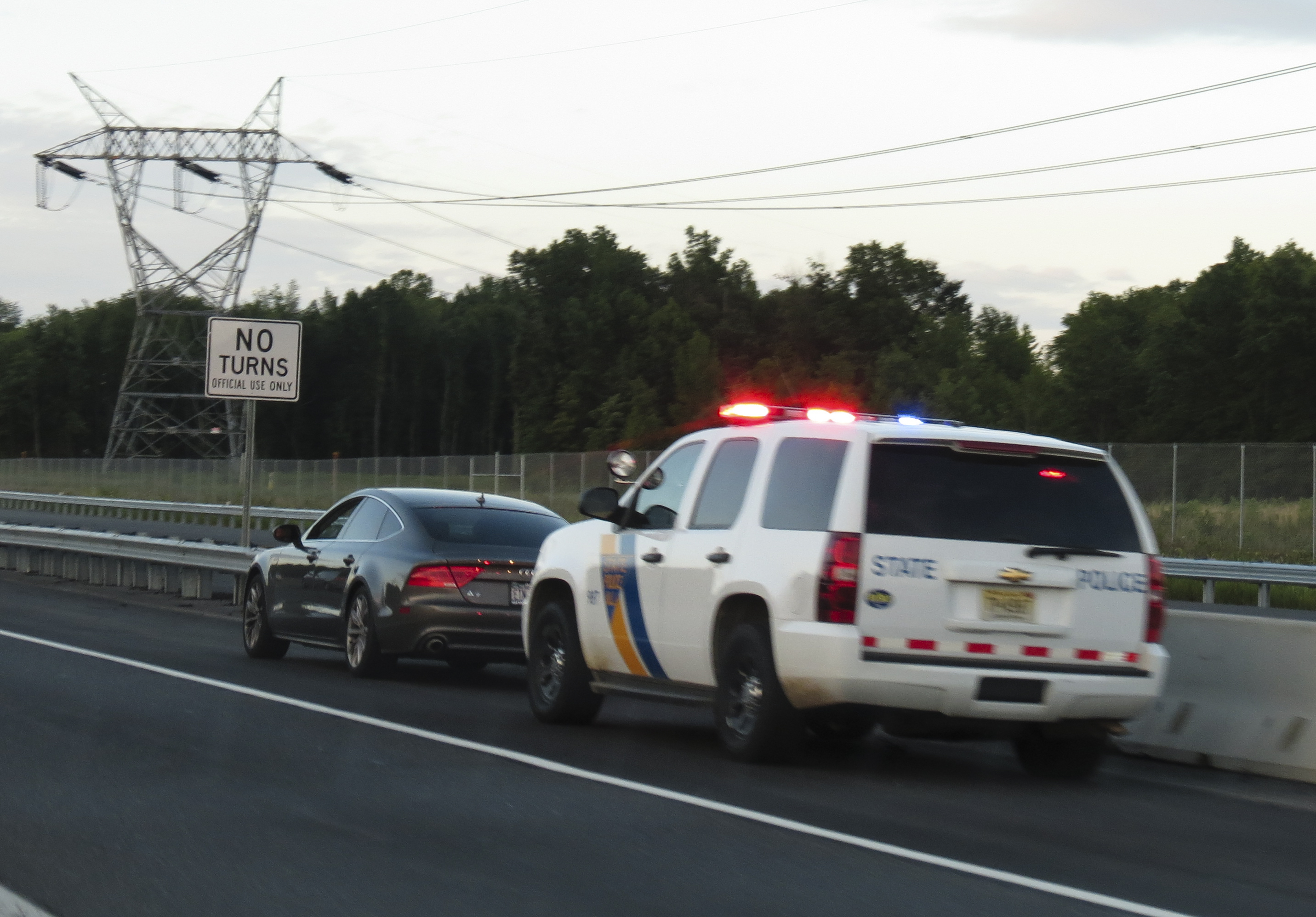
New Jersey State Police fired tear gas at anti-ICE protesters outside the Delaney Hall immigration detention facility in Newark on Friday night [1].
The incident marks a violent escalation in a series of demonstrations focused on the living and legal conditions of detainees inside the federal facility. The clash occurred despite efforts by Gov. Mikie Sherrill to establish a designated peaceful protest zone [2].
According to reports, the confrontation took place on May 29, 2026 [3]. The deployment of chemical agents followed repeated clashes between law enforcement and demonstrators who had gathered to protest ICE operations [1].
This Friday night incident followed eight days of continuous demonstrations at the site [4]. Protesters gathered to voice grievances over conditions inside the detention center, a focal point for immigration rights activists in the region [5].
Reports regarding the exact nature of the confrontation vary. Some accounts said that state police and troopers were on the scene and deployed tear gas to disperse the crowd [1]. Other reports said that ICE agents used pepper spray while police were absent as agitators blocked ICE vehicles [6].
Law enforcement officials used the agents to clear the perimeter of the facility after the crowd refused to move. The use of tear gas was intended to break the line of protesters and restore access to the facility's entrances [1].
Local authorities have not released the total number of injuries resulting from the use of chemical agents. The situation remains tense as activists continue to call for transparency regarding the treatment of immigrants held at Delaney Hall [5].
“New Jersey State Police fired tear gas at anti-ICE protesters outside the Delaney Hall immigration detention facility.”
The escalation at Delaney Hall reflects a growing tension between federal immigration enforcement and local civil rights movements. The contradiction in reports regarding whether state police or federal ICE agents initiated the use of chemical agents suggests a chaotic scene with fragmented command and control. This event underscores the difficulty of maintaining 'peaceful protest zones' when demonstrations center on high-security federal facilities.


