
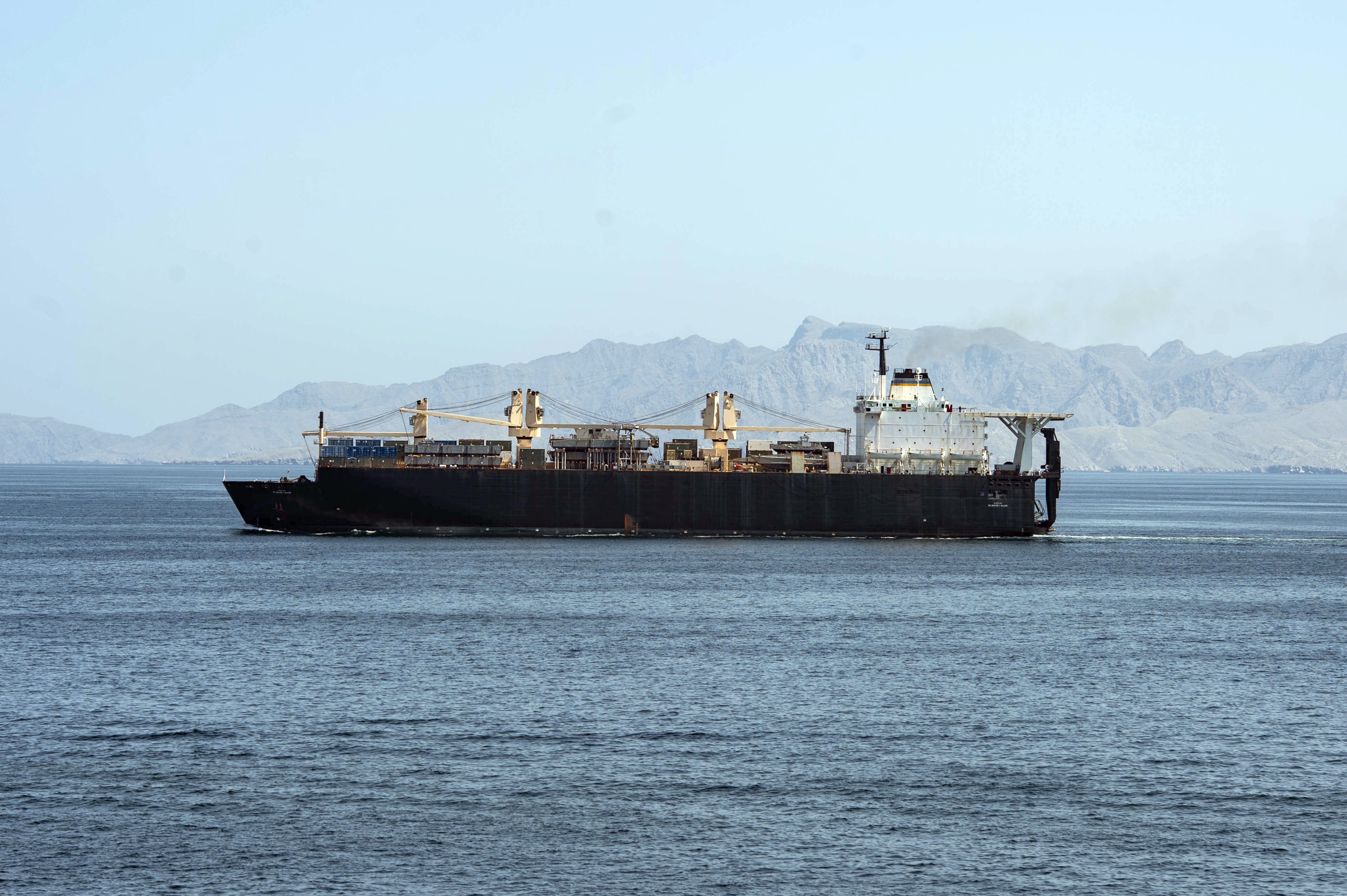
Benchmark crude oil prices rose about six percent on Monday as military exchanges between the U.S. and Iran threatened global supply [1].
The price surge reflects immediate market anxiety over the Strait of Hormuz, a critical chokepoint for energy exports. Because a significant portion of the world's oil passes through this narrow waterway, any disruption to shipping lanes can trigger rapid price volatility and increase costs for consumers worldwide.
Renewed fighting between the U.S. and Iran has jeopardized a previous cease-fire and disrupted the flow of oil through the region [2]. Investors responded to the instability by bidding up the price of crude, fearing that a prolonged conflict could lead to severe shortages in the global market [3].
The impact of these fluctuations is already reaching the pump. The price of a gallon of regular gasoline rose by 31 cents to $4.48 [4]. This increase underscores how quickly geopolitical instability in the Middle East translates into higher costs for drivers and businesses.
Market participants continue to monitor the situation closely as the risk of further escalation remains high. While Wall Street has remained near record levels despite the volatility, the energy sector is reacting sharply to the threat of interrupted supply chains [5].
Officials have not yet provided a timeline for the restoration of stability in the Strait of Hormuz. The current volatility highlights the fragility of global energy security when diplomatic efforts fail and military actions resume in strategic maritime corridors [2].
“Benchmark crude oil prices rose about six percent on Monday”
The sudden spike in oil prices demonstrates the high sensitivity of global energy markets to geopolitical instability in the Middle East. Because the Strait of Hormuz is a primary artery for crude oil, military conflict in the region creates a 'risk premium' that drives up prices regardless of actual supply levels. This volatility can lead to broader economic pressure through inflation, particularly in transportation and manufacturing costs.



