
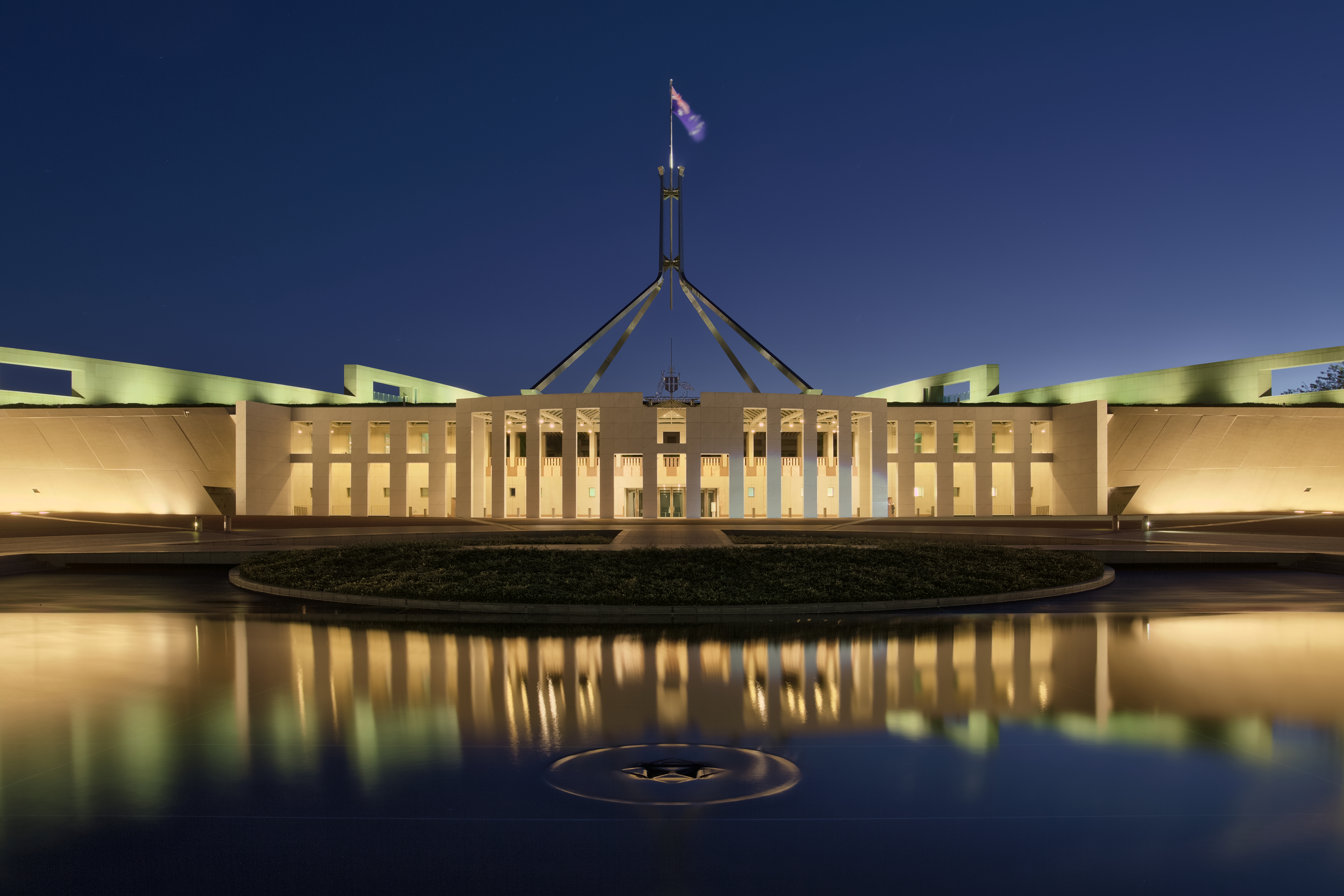
The populist One Nation party has overtaken the ruling Australian Labor Party in a recent nationwide opinion poll [1].
This shift indicates a significant volatility in the Australian electorate. The surge suggests that a growing segment of the population is rejecting the current government's economic direction in favor of populist alternatives.
According to a Sky News Pulse poll, One Nation reached 29 percent [1] primary vote share, while Labor fell to 26 percent [1]. The Coalition trailed both parties with 20 percent [1]. Other polling data shows slight variations, with a Resolve poll placing One Nation at 24 percent [2] and a YouGov poll conducted May 12-19 showing Labor at 28 percent [3].
Analysts attribute the movement to voter dissatisfaction with the Labor government's recent budget and perceived broken promises [3, 4]. The political climate has shifted as the ruling party struggles to maintain its base following budget-related backlash [3].
"One Nation is 'scaring the hell out of' the major parties," Steve Price said [5].
The rise of the party is also reflected in the personal popularity of its leader. Sky News Chief Election Analyst Tom Connell said Pauline Hanson is now the most "likeable" politician, pulling in a performance rating of plus 12 [6].
Bloomberg News reported that the party surged past the ruling Labor party to lead a nationwide opinion poll for the first time [4]. The trend highlights a growing divide between the government's fiscal policy and voter expectations, a gap that One Nation is currently filling.
“One Nation is "scaring the hell out of" the major parties.”
The rise of One Nation reflects a broader global trend of populist growth driven by economic frustration. By capturing the primary vote lead, the party is positioning itself as the primary alternative to the Labor government, potentially forcing both major parties to shift their policy platforms to win back disillusioned voters before the next election.


'%2F%3E%0A%20%20%20%20%3Crect%20width%3D'1600'%20height%3D'900'%20fill%3D'url(%23v)'%2F%3E%0A%20%20%20%20%3Cg%20opacity%3D'0.08'%20fill%3D'%23ffffff'%3E%0A%20%20%20%20%20%20%3Ccircle%20cx%3D'1420'%20cy%3D'180'%20r%3D'220'%2F%3E%0A%20%20%20%20%20%20%3Ccircle%20cx%3D'1500'%20cy%3D'760'%20r%3D'120'%2F%3E%0A%20%20%20%20%3C%2Fg%3E%0A%20%20%20%20%3Cline%20x1%3D'80'%20y1%3D'172'%20x2%3D'220'%20y2%3D'172'%20stroke%3D'%23ffffff'%20stroke-width%3D'3'%20stroke-opacity%3D'0.6'%2F%3E%0A%20%20%20%20%3Ctext%20x%3D'80'%20y%3D'140'%20font-family%3D'Inter%2C%20-apple-system%2C%20Helvetica%2C%20sans-serif'%20font-weight%3D'700'%20font-size%3D'28'%20fill%3D'%23ffffff'%20letter-spacing%3D'6'%3EHANNA%20%C2%B7%20NEWS%3C%2Ftext%3E%0A%20%20%20%20%3Ctext%20x%3D'80'%20y%3D'230'%20font-family%3D'Inter%2C%20-apple-system%2C%20Helvetica%2C%20sans-serif'%20font-weight%3D'600'%20font-size%3D'40'%20fill%3D'%23ffffffb3'%20letter-spacing%3D'4'%3EWORLD%3C%2Ftext%3E%0A%20%20%20%20%3Ctext%20x%3D'80'%20y%3D'622'%20font-family%3D'Playfair%20Display%2C%20Georgia%2C%20serif'%20font-weight%3D'800'%20font-size%3D'86'%20fill%3D'%23ffffff'%20letter-spacing%3D'-1'%3EFl%C3%A1vio%20Bolsonaro%20Urges%20US%20to%3C%2Ftext%3E%3Ctext%20x%3D'80'%20y%3D'721'%20font-family%3D'Playfair%20Display%2C%20Georgia%2C%20serif'%20font-weight%3D'800'%20font-size%3D'86'%20fill%3D'%23ffffff'%20letter-spacing%3D'-1'%3EDrop%20Brazilian%20Product%3C%2Ftext%3E%3Ctext%20x%3D'80'%20y%3D'820'%20font-family%3D'Playfair%20Display%2C%20Georgia%2C%20serif'%20font-weight%3D'800'%20font-size%3D'86'%20fill%3D'%23ffffff'%20letter-spacing%3D'-1'%3ETariffs%3C%2Ftext%3E%0A%20%20%20%20%3Ctext%20x%3D'80'%20y%3D'870'%20font-family%3D'Inter%2C%20-apple-system%2C%20Helvetica%2C%20sans-serif'%20font-weight%3D'500'%20font-size%3D'22'%20fill%3D'%23ffffff66'%20letter-spacing%3D'2'%3Enews.hanna-ai.com%3C%2Ftext%3E%0A%20%20%3C%2Fsvg%3E)
