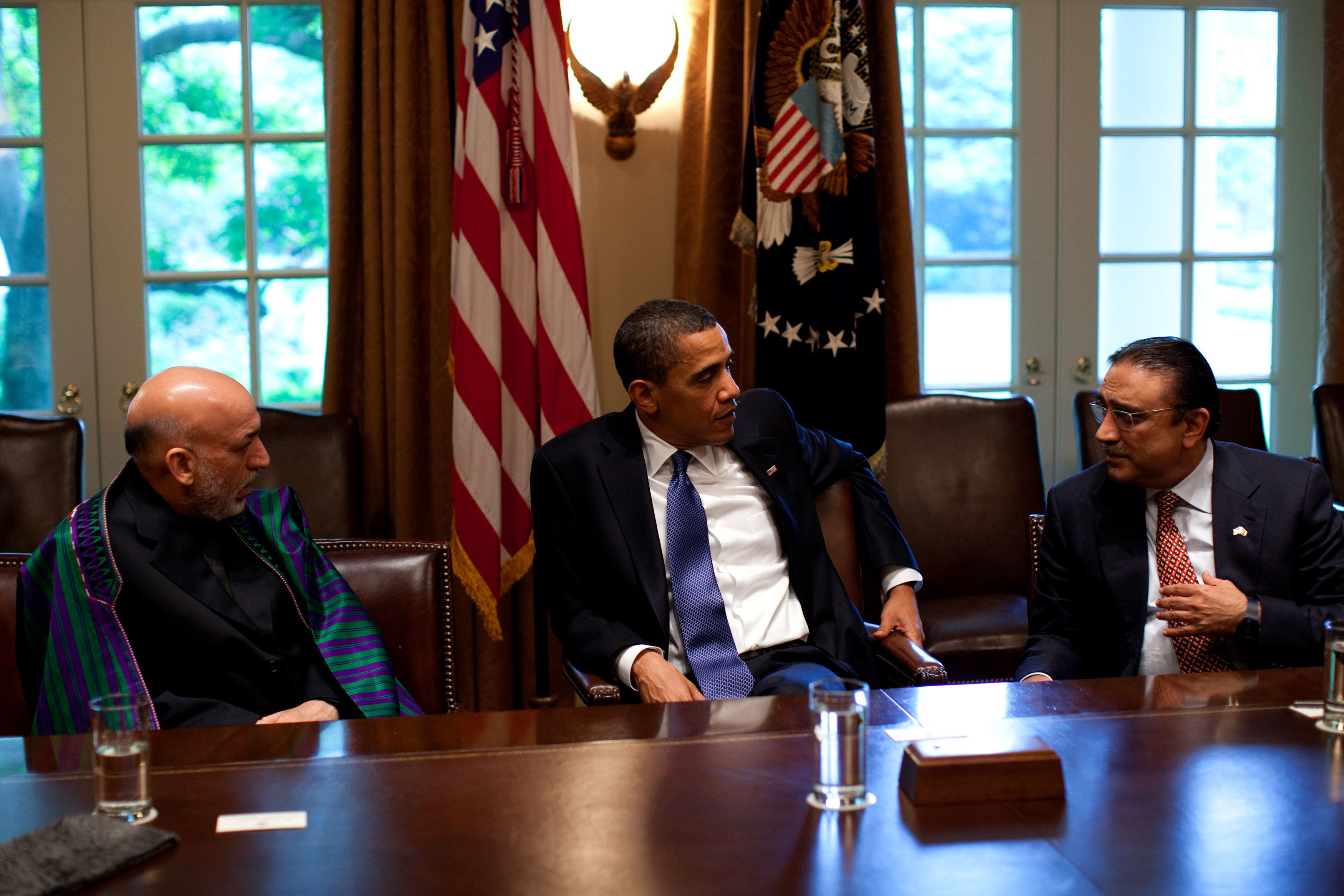
President Asif Ali Zardari summoned the National Assembly and Senate to convene on June 5 [1] to discuss the finance bill for fiscal year 2026-27 [1].
The timing of these sessions is critical as the government seeks to stabilize the national economy through a new fiscal framework. The proceedings will center on the presentation of the budget by Finance Minister Muhammad Aurangzeb [1].
These legislative meetings are designed to unveil and debate the specific allocations, and tax policies that will define the 2026-27 fiscal year [1]. The process typically involves rigorous scrutiny by lawmakers before the bill can be passed into law.
However, the schedule faces potential instability. While the formal summons is for June 5 [1], reports indicate the budget presentation may be pushed to next week instead [2]. This potential shift stems from coalition partners who are pressing various demands before the budget is finalized [2].
Such delays in the budget cycle often signal friction within the governing alliance. If the government cannot reach a consensus with its partners, the legislative timeline for the 2026-27 fiscal year could face further setbacks [2].
Despite these internal pressures, the official call for the sessions remains the primary directive from the presidency. The National Assembly and Senate are expected to gather at the Parliament of Pakistan to address the financial roadmap [1].
“President Asif Ali Zardari summoned the National Assembly and Senate to convene on June 5”
The tension between the official summons and the reported delays highlights the fragility of Pakistan's current governing coalition. While the presidency is moving forward with the formal calendar, the internal demands from political partners suggest that the 2026-27 budget may be a product of political compromise rather than purely economic strategy.