
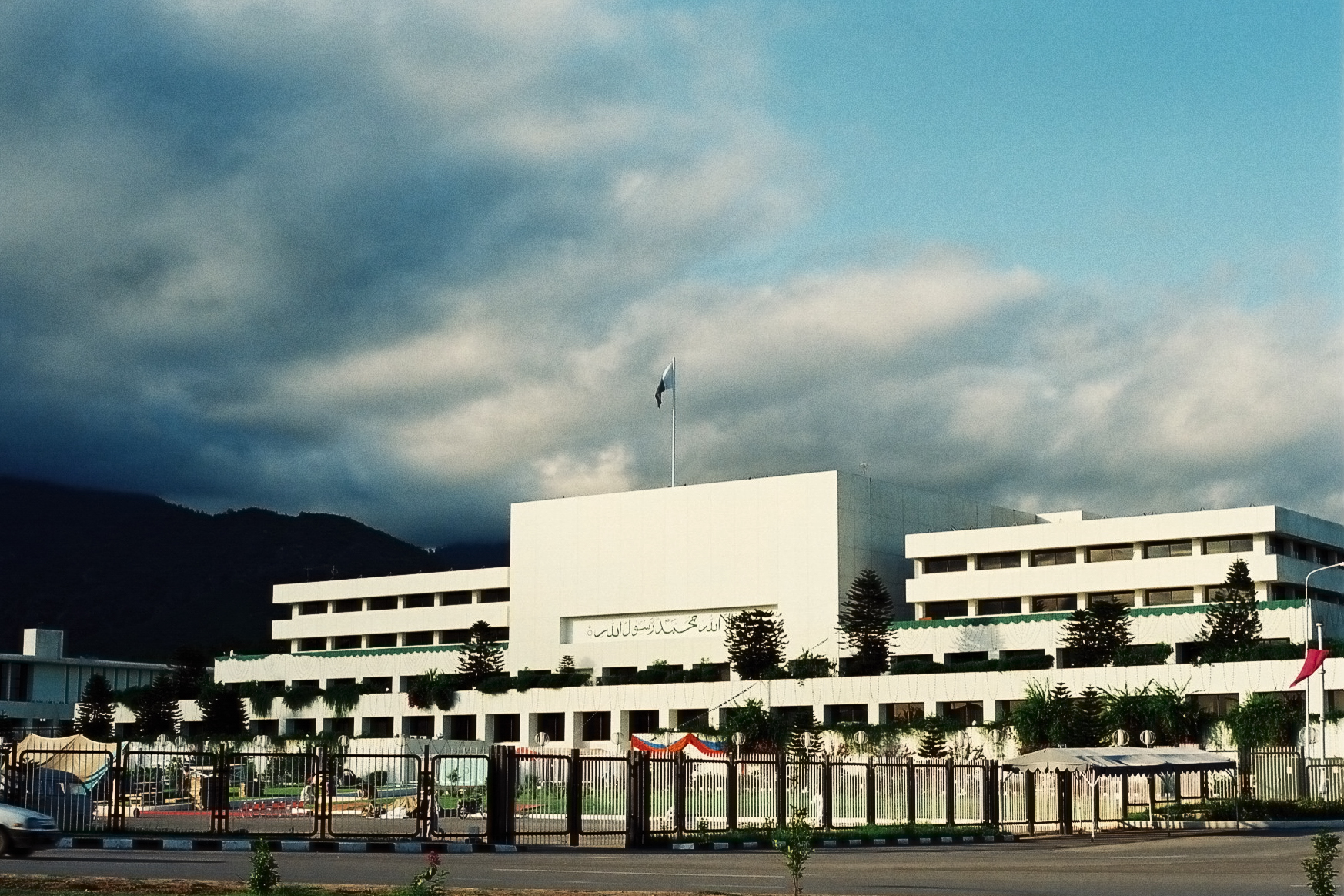
Pakistan's business community has demanded greater clarity regarding the government's economic policy within the FY2026 budget [1].
This push for transparency comes as private sector leaders worry that the current fiscal framework fails to address the underlying issues hindering national growth. Without a clear roadmap, investors and entrepreneurs argue that the environment remains too unpredictable for long-term planning.
Business leaders said the budget lacks clear structural reforms and fiscal direction [1]. They are calling for a more defined strategy to stabilize the economy, and provide a predictable environment for commerce. The lack of specific policy goals has created uncertainty among stakeholders who are waiting to see how the government intends to manage debt and inflation.
According to representatives of the business community, the current budget represents a missed opportunity for fundamental change [1]. They argue that incremental adjustments are insufficient to reverse the current economic trend. Instead, they are advocating for a comprehensive overhaul of the fiscal system to encourage domestic investment, and attract foreign capital.
The demands focus on the need for a coherent economic vision that extends beyond the current fiscal year. By requesting specific benchmarks and policy commitments, the business sector hopes to hold the government accountable for the implementation of structural changes. The community remains concerned that the absence of such a framework will lead to continued stagnation.
“Pakistan's business community has demanded greater clarity regarding the government's economic policy.”
The tension between Pakistan's government and its business sector suggests a gap in confidence regarding the state's ability to implement long-term structural reforms. If the government fails to provide the requested policy clarity, it may struggle to maintain private sector investment and could face further economic volatility as the FY2026 cycle progresses.


