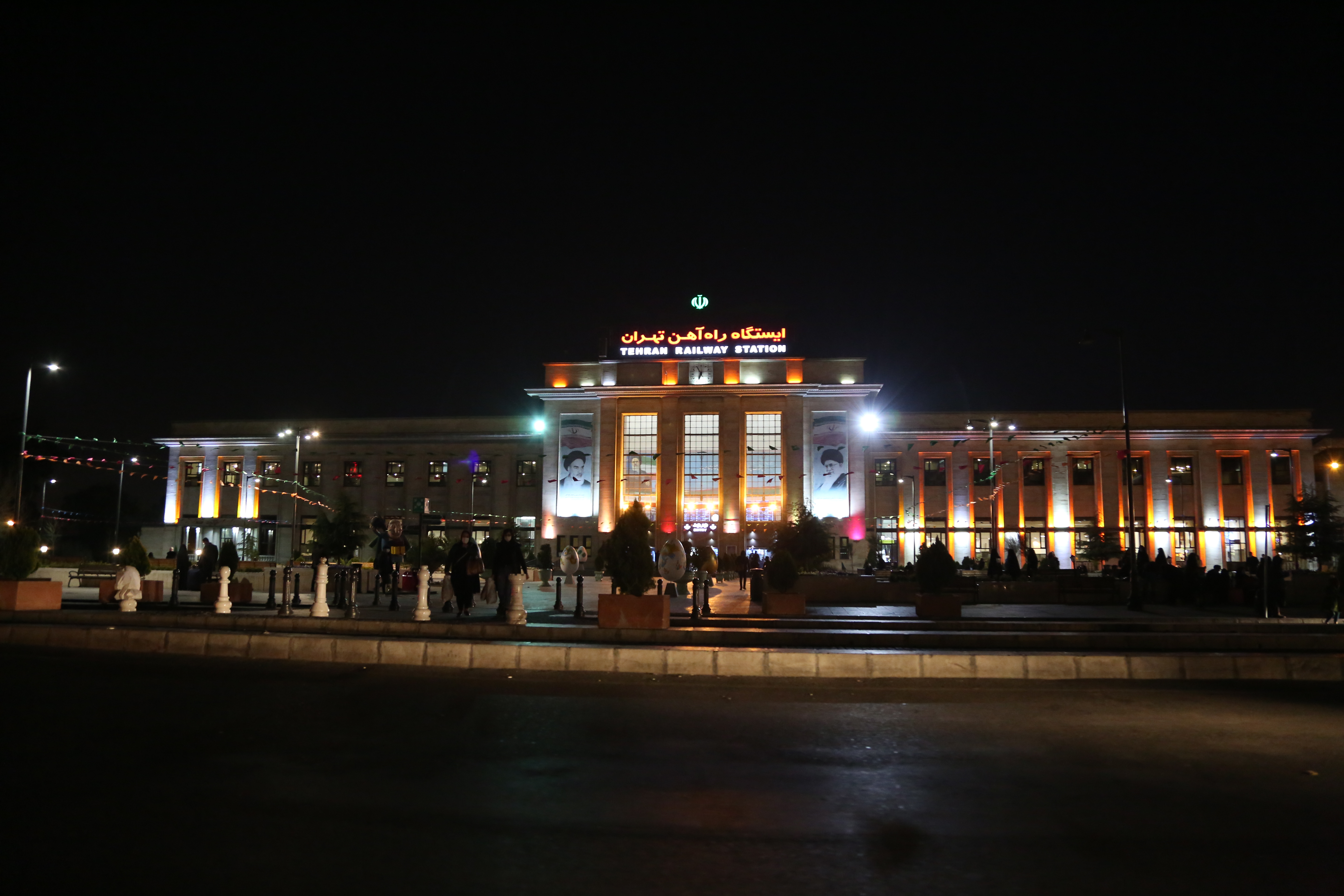
Pakistan Interior Minister Mohsin Naqvi traveled to Tehran on May 20, 2026, to discuss mediation efforts between the U.S. and Iran [1, 2].
This diplomatic activity suggests a heightened effort by regional players to facilitate communication between Washington and Tehran. The timing and frequency of these visits indicate a potential push for a breakthrough in long-standing tensions.
Naqvi met with his Iranian counterpart, Eskandar Momeni, during the trip [1, 2]. The discussions focused on diplomatic efforts related to possible negotiations between the U.S. and Iran [1, 2].
Naqvi made a second visit to the Iranian capital within 24 hours [1]. This rapid return to Tehran underscores the urgency of the ongoing mediation talks and the specific role Pakistan is playing as a facilitator [1].
The visits occur as U.S.-Iran diplomacy picks up pace [2]. While the specific details of the agreements or proposals discussed remain private, the frequency of high-level ministerial movement suggests a coordinated effort to establish a stable channel for dialogue [1, 2].
Pakistan has historically maintained ties with both nations, positioning itself as a viable bridge for communication when direct talks are politically difficult [1]. The meeting with Momeni serves as a critical step in aligning regional interests with the broader goal of reducing friction between the two global powers [2].
“Mohsin Naqvi made a second visit to the Iranian capital within 24 hours.”
The rapid succession of visits by Pakistan's Interior Minister indicates that Islamabad is acting as a key intermediary in U.S.-Iran relations. By facilitating these talks, Pakistan seeks to stabilize its own borders and enhance its diplomatic standing as a regional powerbroker capable of bridging the gap between Western interests and the Iranian government.