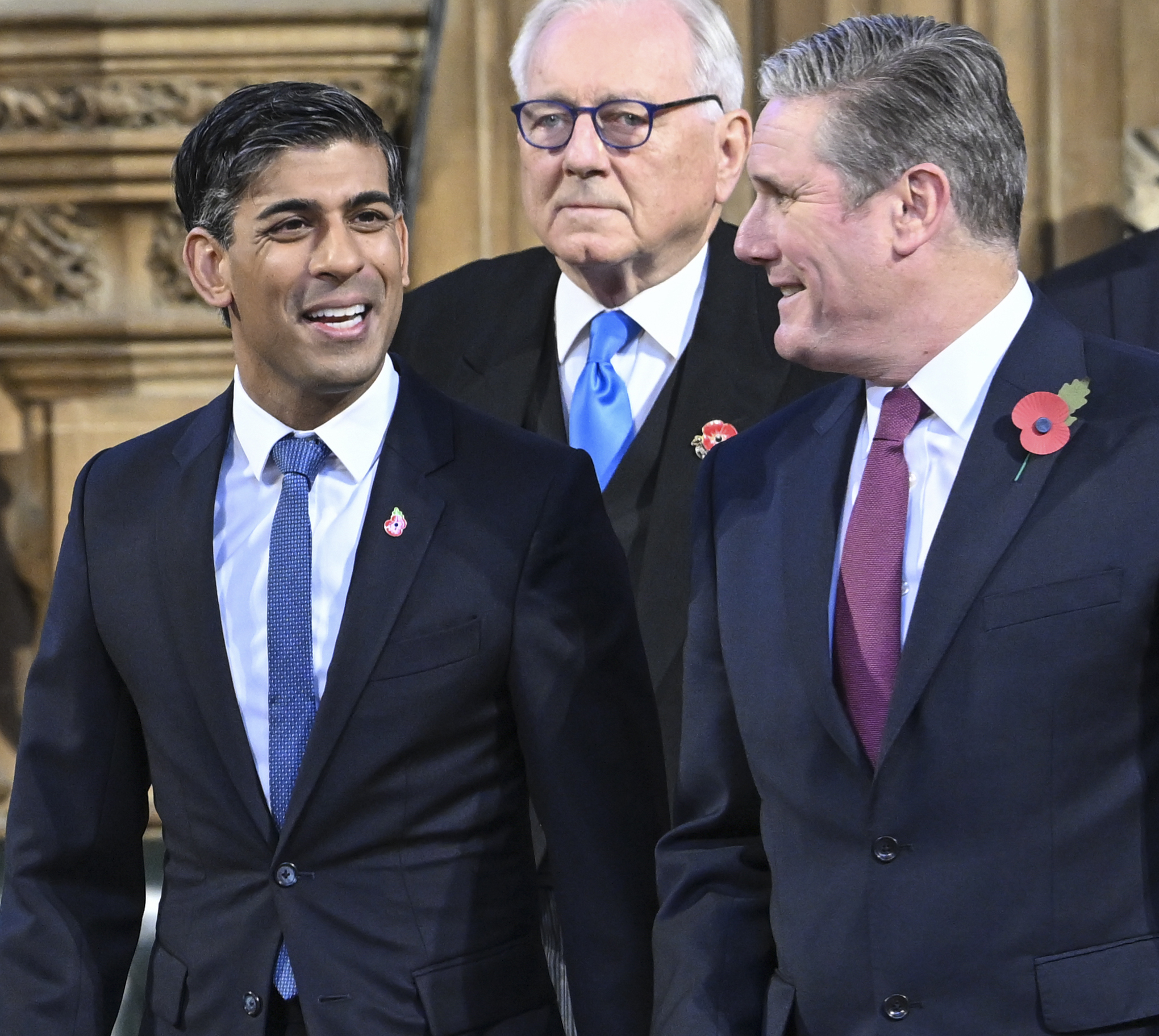
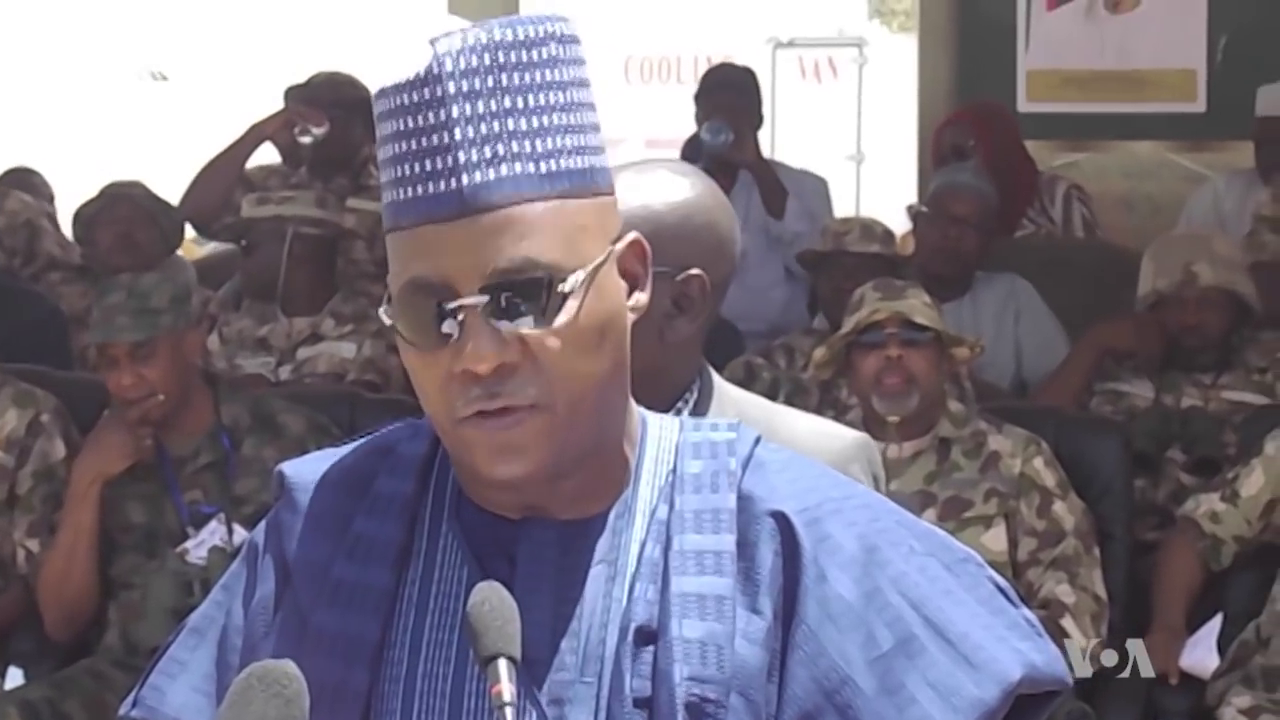
Pope Leo XIV met with Spanish Prime Minister Pedro Sánchez in Madrid on Monday to address the Spanish Parliament and promote peace [1, 2].
The visit marks a significant diplomatic effort to bridge deep political divides within Spain and address the Catholic Church's history of internal crisis. By speaking directly to the legislature, the Pope is engaging with the state's political apparatus in an unprecedented manner.
The meeting between the Pope and the Prime Minister took place at the Apostolic Nunciature in Madrid [1, 2]. This encounter served as the prelude to the pontiff's address to the Spanish Parliament, where he said leaders should temper divisions and end political polarization [2, 3].
This trip is the first papal visit to Spain in 15 years [4]. The itinerary is part of a week-long visit to the country [5].
Beyond the political engagements, the Pope's schedule includes meetings with victims of clergy sexual abuse [2]. These meetings are intended to acknowledge the trauma of survivors and signal a commitment to accountability within the church hierarchy [2, 3].
Throughout his address and meetings, the Pope said that the world is crying for peace [5]. He said a collective effort is needed to move past partisan hostility to ensure national stability [3].
“The Pope is engaging with the state's political apparatus in an unprecedented manner.”
This visit represents a dual-track strategy by the Vatican to maintain relevance in a secularizing Europe. By addressing the Spanish Parliament, Pope Leo XIV is attempting to position the papacy as a neutral mediator in an era of extreme political fragmentation, while the meetings with abuse victims serve as a necessary, though fraught, attempt at institutional reconciliation.