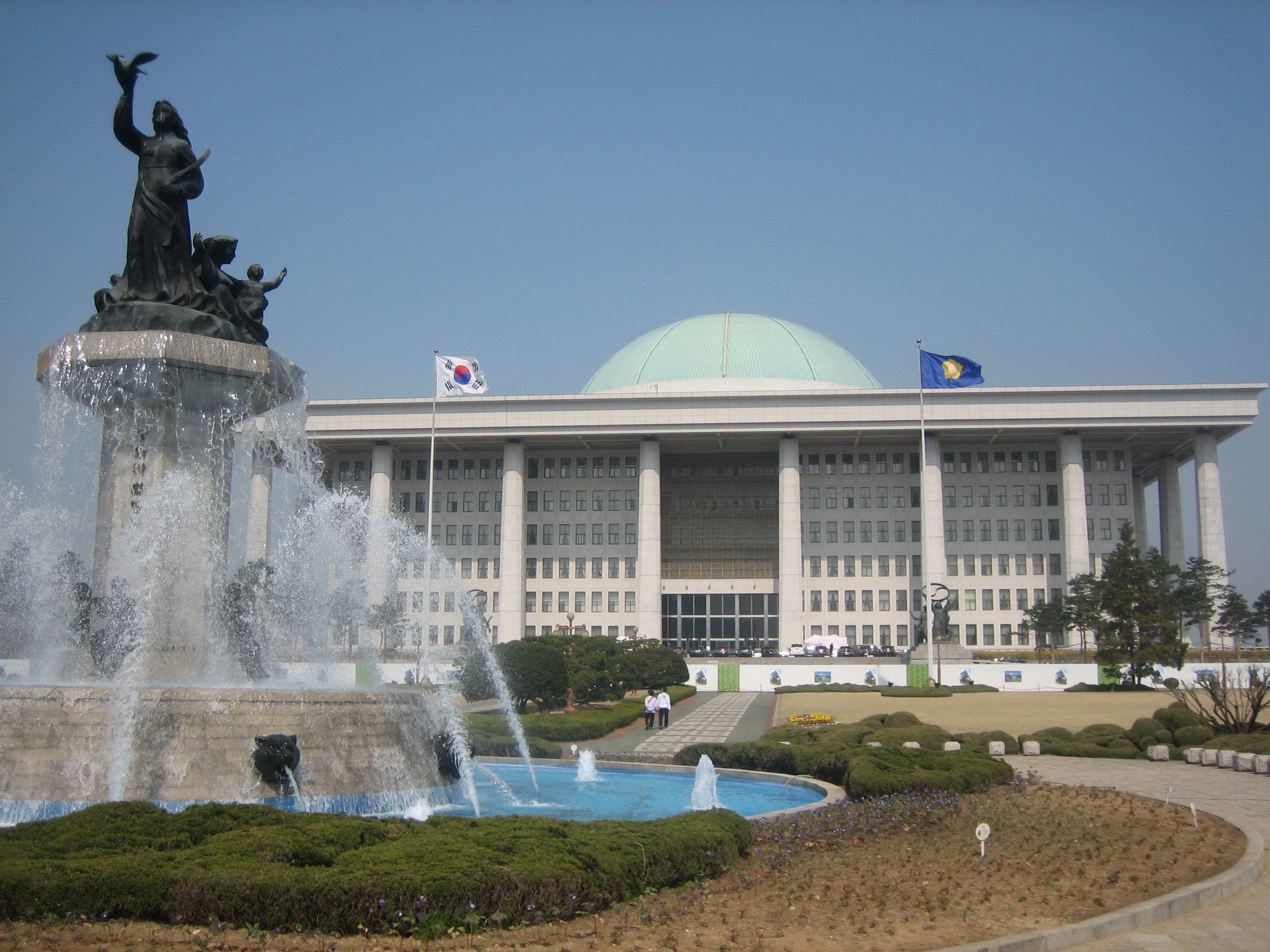
People Power Party members clashed Wednesday during a parliamentary group meeting over whether party leader Jang Dong-hyuk should resign [1].
The dispute signals a deepening internal divide within the ruling party as it struggles to balance demands for new leadership against the risk of instability.
The meeting on June 17, 2026, became a site of open conflict as lawmakers debated Jang's future and the possibility of a re-election for the party chair [1]. Some members applauded the call for the leader to step down, while others argued that there are no viable alternative candidates to lead the party forward [1].
During the session, Rep. Song Seok-jun said that the opinions of lawmakers on the ground should be actively reflected [1]. The tension escalated when Rep. Park Jun-tae, a party secretary, told a dissenting member to leave the room [1]. Another lawmaker, Kang Seung-gyu, said the situation was the worst [1].
The internal turmoil extended beyond the meeting room. Following the session, seven regional groups filed election petitions [2].
This public fracturing comes at a time when the party is weighing the merits of a leadership change. While the calls for resignation were met with applause by some, the lack of a clear successor has created a stalemate among the party's ranks [1].
“Then leave, leave.”
The confrontation within the People Power Party reflects a broader struggle for control and direction. The filing of petitions by seven regional groups suggests that the dissatisfaction with Jang Dong-hyuk is not limited to a few lawmakers but extends to the party's regional infrastructure, potentially complicating future electoral coordination.


