
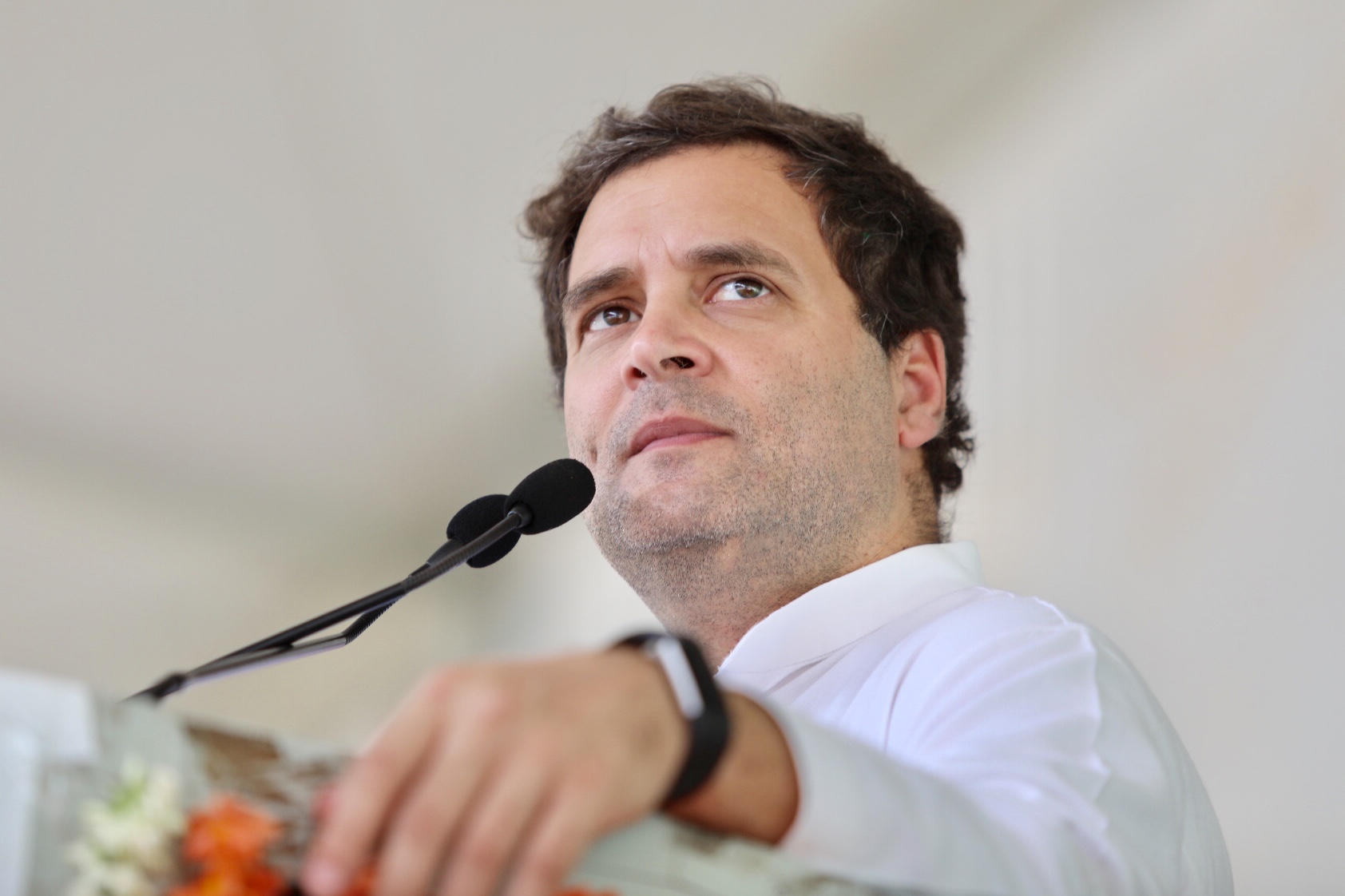
Karnataka Minister Priyank Kharge said a meeting between Congress leader Rahul Gandhi and Dr. Yathindra Siddaramaiah was a routine party occurrence [1].
The statement comes as political observers speculate on the internal dynamics of the Karnataka Congress, particularly regarding the influence of Dr. Siddaramaiah, the son of former Chief Minister Siddaramaiah, and the timing of upcoming leadership changes.
Kharge said rumors surrounding the meeting were unfounded, framing the interaction as standard procedure for party members. He said such engagements are common for those within the organization to connect with the central leadership [1, 2, 3].
"It is a normal party practice for leaders and workers to meet the party high command," Kharge said [2].
The Minister also addressed his own position regarding the upcoming Karnataka cabinet reconstitution. He said that he does not have specific requirements or personal requests for the reshuffle, and intends to follow the direction of the party leadership [2, 3].
"I have no demands for the upcoming Karnataka cabinet reconstitution and will abide by the party's decision," Kharge said [2].
Reports on the location of these remarks vary, with some sources placing the Minister in Bengaluru and others in New Delhi [1, 2]. Despite the differing accounts of the setting, the core message remained a defense of party protocol and a dismissal of political speculation [1, 2, 3].
Kharge's comments aim to neutralize narratives suggesting that the meeting between Gandhi and Dr. Siddaramaiah signaled a shift in power or a specific political maneuver within the state's governance structure [1, 2, 3].
“"It is a normal party practice for leaders and workers to meet the party high command."”
The insistence that these meetings are 'normal party practice' is a strategic effort to prevent the perception of factionalism or nepotism within the Karnataka Congress. By publicly stating he has no demands for the cabinet reshuffle, Kharge is attempting to project party unity and discipline, signaling that the high command's authority remains the primary driver of political appointments in the state.


