
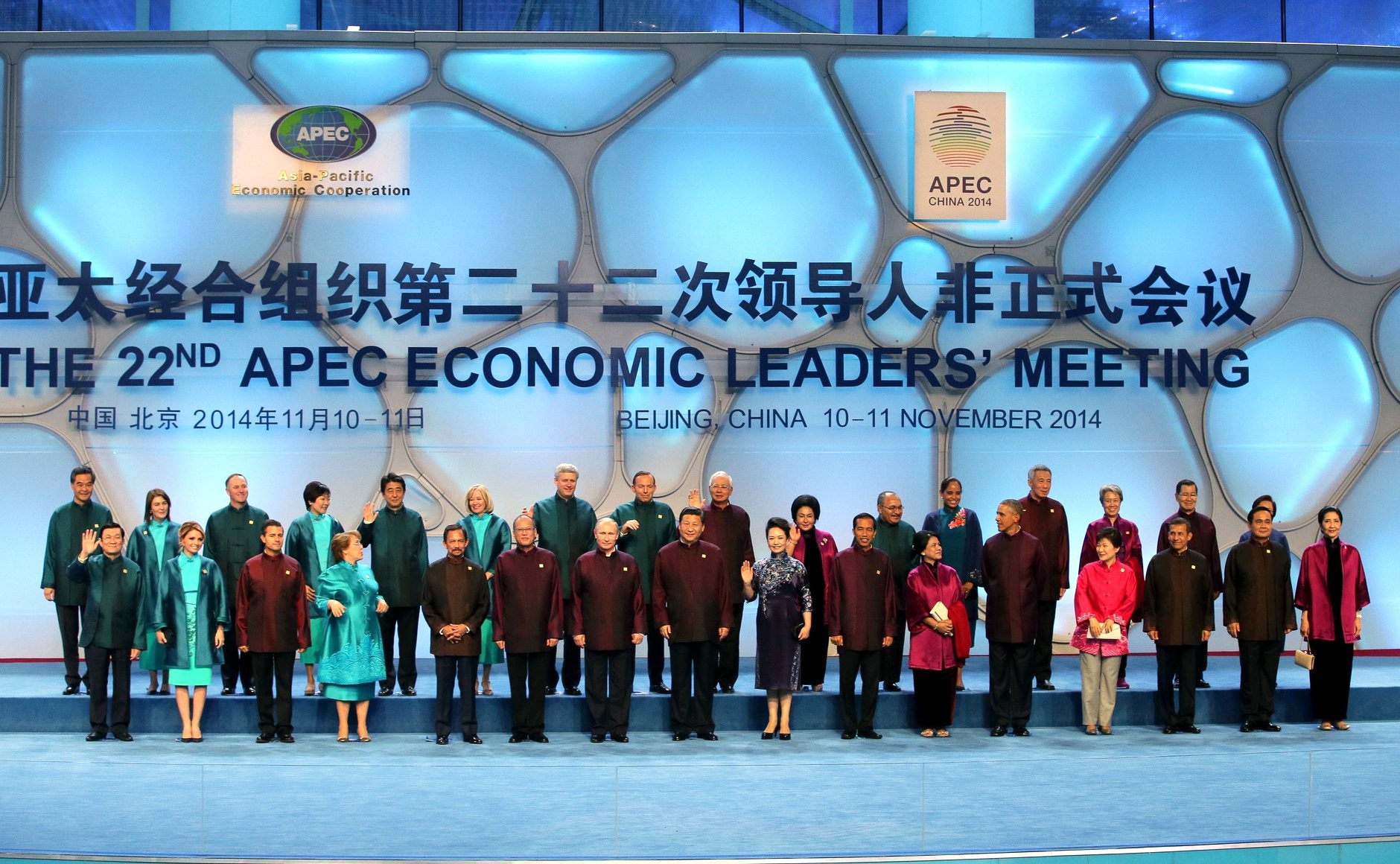
Russian President Vladimir Putin and Chinese President Xi Jinping reaffirmed their joint commitment to building a more just and democratic multipolar world.
This alignment signals a coordinated effort by two of the world's largest powers to challenge the current global order. By emphasizing a multipolar system, the leaders seek to diminish the influence of Western nations in international governance and security.
The agreement was reached during an official visit by President Putin to Beijing that lasted four days [1]. During the meetings, the two leaders discussed the necessity of defending the UN Charter and upholding international treaties to ensure global stability.
Energy cooperation served as a primary pillar of the discussions. Both nations agreed to deepen their ties in the energy sector to address shared challenges and secure their economic interests. This cooperation is intended to create a strategic buffer against external economic pressures.
Putin and Xi also expressed a shared rejection of unilateral hegemony. They argued that the current international landscape is marred by the dominance of a single power, which they believe undermines the sovereignty of other nations.
The leaders said they would continue to coordinate their diplomatic efforts to promote a global system where multiple centers of power coexist. This approach aims to redistribute influence across different regions, and political blocs.
Throughout the visit, the discussions focused on the perceived need for a more equitable distribution of power. The leaders said that a multipolar world is the only sustainable way to prevent conflict and ensure that international law is applied consistently to all states, regardless of their size or influence.
“Russia and China share a joint stance to build a more just, democratic multipolar world”
The reaffirmation of a 'multipolar world' is a strategic diplomatic framework used by Russia and China to justify the erosion of US-led international norms. By linking energy security with the defense of the UN Charter, the two nations are attempting to build an alternative geopolitical axis that prioritizes state sovereignty over Western-led human rights or democratic interventions.


