
Indian benchmark indices recovered from their intraday lows on April 28, 2026, driven by gains in Reliance Industries Ltd. (RIL) shares [1, 2].
This recovery highlights the heavy influence of a single conglomerate on India's broader market sentiment and the sensitivity of the domestic economy to global energy price fluctuations.
The Nifty index had previously dipped below 24,000 [2], while the Sensex saw a decline of 417 points [2]. However, the closing bell session saw a shift in momentum as RIL shares provided the necessary lift to pull the indices away from their daily lows [1].
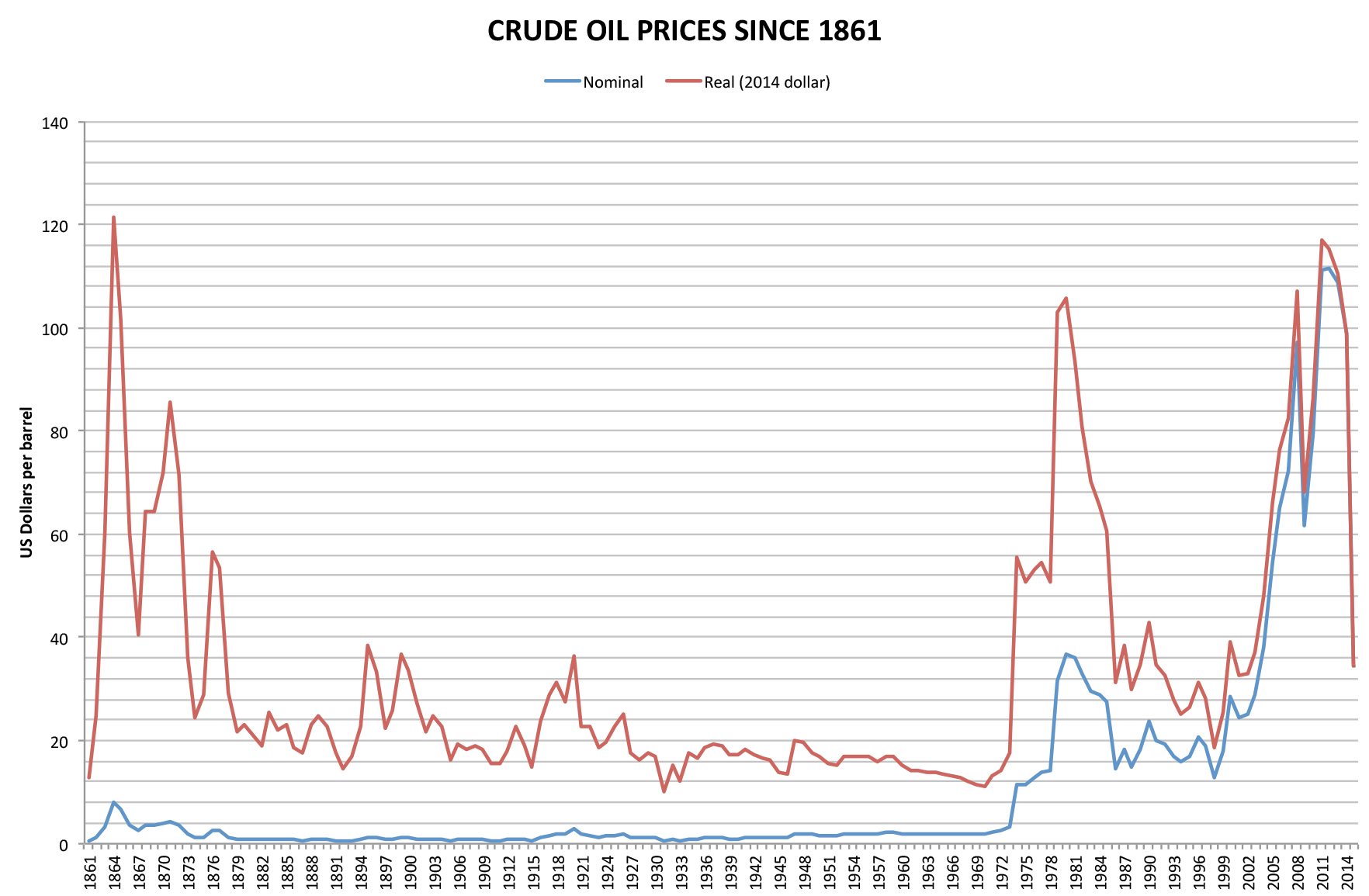
Global factors played a significant role in the day's volatility. Brent crude prices cooled to approximately $108 per barrel [1]. This dip in oil prices helped ease some of the inflation concerns that had pressured investors earlier in the session [1].
Despite the late recovery, the broader market environment remained cautious. Investors weighed the impact of rising global bond yields and continued pressure on the local currency [1, 2]. The Indian rupee hovered near 97 per U.S. dollar [1].
The interplay between corporate performance and macroeconomic headwinds created a volatile trading day. While the strength of Reliance Industries provided a buffer, the underlying pressure from the currency market and bond yields suggests a period of uncertainty for equity traders [1, 2].
“Reliance Industries Ltd. (RIL) shares drive Nifty off day's low”
The ability of a single stock like Reliance Industries to pivot the direction of the Nifty and Sensex underscores a concentration of market weight that can mask broader economic fragility. While cooling oil prices provide temporary relief for India's import-heavy economy, the combination of a weakening rupee and rising global bond yields indicates a challenging environment for foreign institutional investors.


