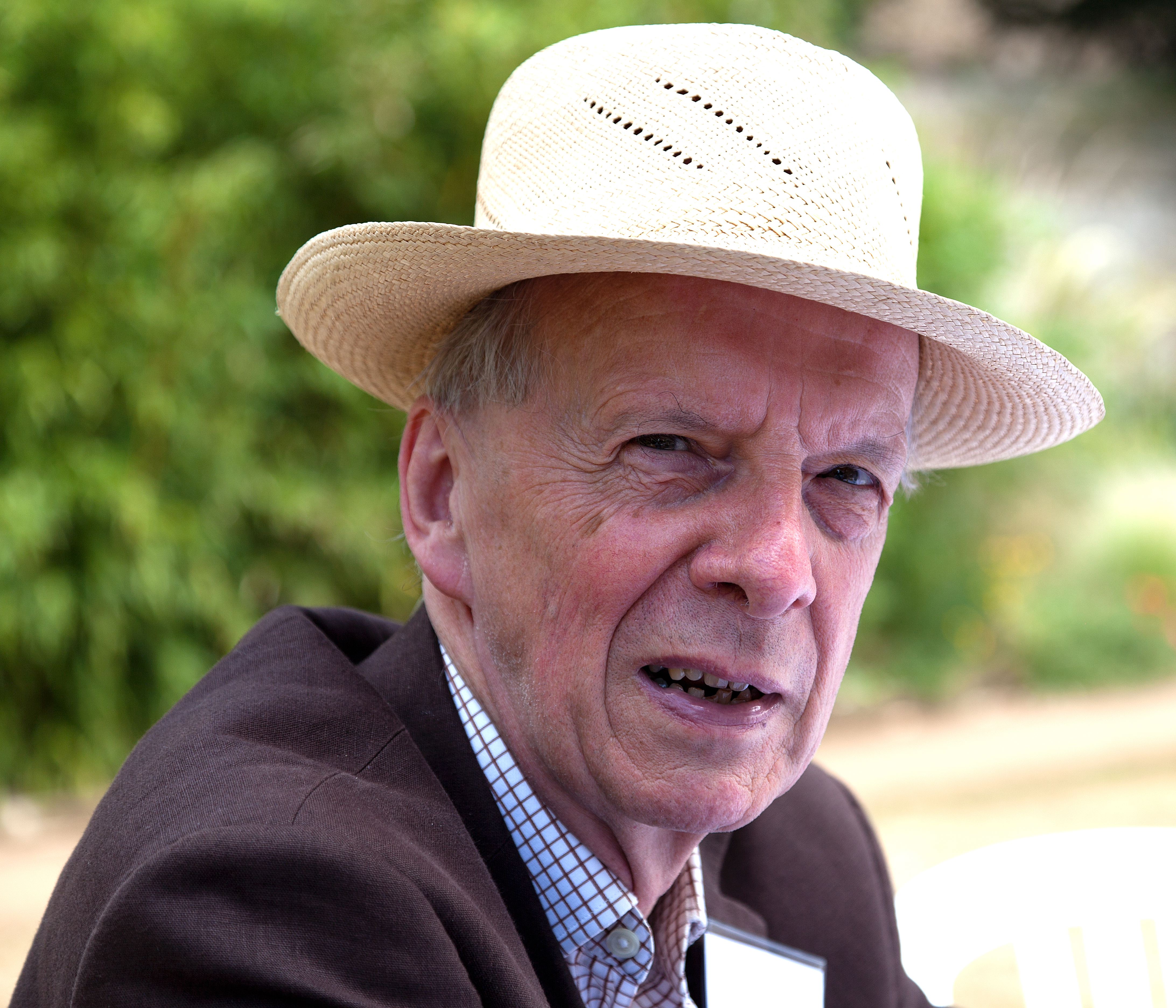
Richard Scolyer, a world-renowned pathologist and researcher, died in March 2025 following a battle with an incurable brain tumour [1].
Scolyer's death marks the loss of a leading figure in cancer research who used his own diagnosis to highlight the urgency of medical breakthroughs. His visibility as a public figure brought significant attention to the challenges of treating aggressive brain cancers.
A prominent figure in the medical community, Scolyer was named the joint Australian of the Year in 2024 [1]. He spent his career as a researcher and pathologist, primarily based in Melbourne, where he focused on improving outcomes for patients with melanoma, and other malignancies [2].
After his diagnosis, Scolyer faced a disease that is typically considered incurable. He beat the odds for a period of time, experiencing a window of remission that allowed him to continue his advocacy and professional work [1]. However, the disease eventually progressed, and he died from complications from the tumour [2].
Reports published on March 12, 2025, described Scolyer as a humble and selfless individual who remained dedicated to science even while facing his own mortality [1]. His journey from a leading researcher to a patient provided a rare, public look at the intersection of clinical expertise, and the lived experience of terminal illness [2].
Throughout his final years, Scolyer's work continued to influence the field of pathology. His contributions to oncology helped advance the understanding of how certain tumours behave and how they might be targeted by new therapies [1].
“Richard Scolyer, a world-renowned pathologist and researcher, died in March 2025”
The death of Richard Scolyer underscores the persistent difficulty in treating high-grade gliomas and other incurable brain tumours despite advancements in personalized medicine. As a researcher who was also a patient, Scolyer's trajectory highlights the gap between achieving short-term remission and finding a definitive cure for aggressive cancers.