
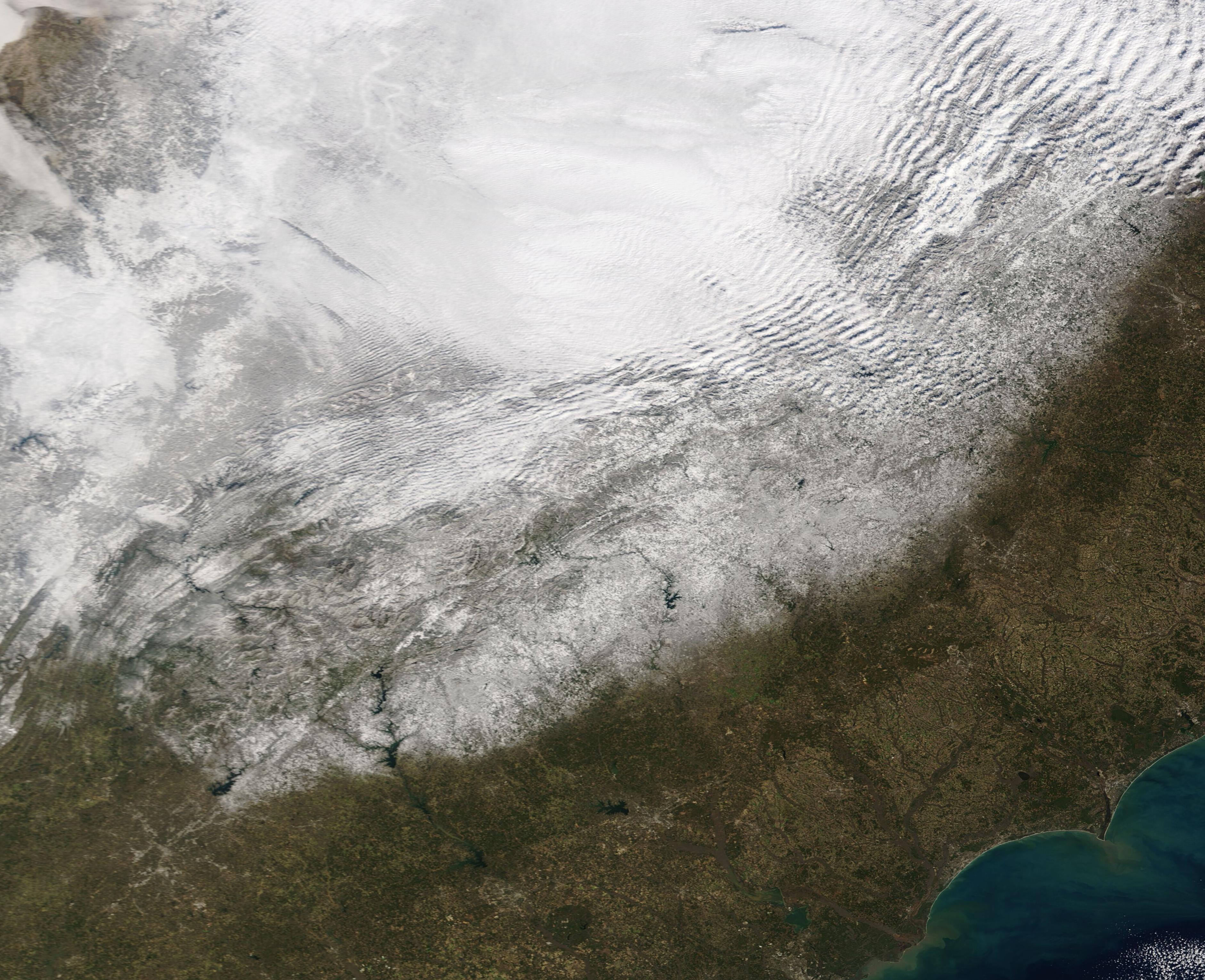
Severe thunderstorms and heavy rainfall swept through southeast Saskatchewan over the weekend of June 6–7 [1], causing localized flooding and road closures.
The weather system disrupted transportation and infrastructure in rural communities, forcing residents to navigate flooded roads and property damage during a period of high atmospheric instability.
Environment Canada issued warnings as the system moved through the region. A spokesperson for the agency said, "Parts of southeast Saskatchewan could see tornadoes, strong winds, hail up to six centimetres" [2]. The predicted hail size of six centimetres [2] contributed to the severity of the impact on local agriculture and property.
In the town of Kipling, flooding became severe enough to necessitate the closure of roads [3]. Local authorities managed the closures as heavy rain overwhelmed drainage systems, leaving some areas impassable. The intensity of the rainfall triggered flash floods that affected both municipal and rural routes [3].
The extreme conditions attracted professional and amateur storm chasers to the region. A CKOM reporter said, "Storm chasers are gathering to document the severe weather" [4]. These teams tracked the cells as they produced the strong winds and hail identified in government warnings.
While some reports suggested casualties, other primary coverage focused on the physical damage and infrastructure failure. Reports from CTV News and MSN indicated that no one died during the event, focusing instead on the flooding and road closures [3]. This contradicts a separate report from NatureWorldNews which claimed four people died [5], though that report was dated from a different year and event.
Recovery efforts are now underway across the southeast region. Local crews are working to clear debris and reopen the roads in Kipling and surrounding districts as the weather stabilizes.
“"Parts of southeast Saskatchewan could see tornadoes, strong winds, hail up to six centimetres,"”
The event highlights the vulnerability of rural Saskatchewan's infrastructure to rapid-onset extreme weather. The discrepancy in fatality reporting underscores the importance of relying on local, real-time news agencies over aggregated global reports during active weather crises.


