
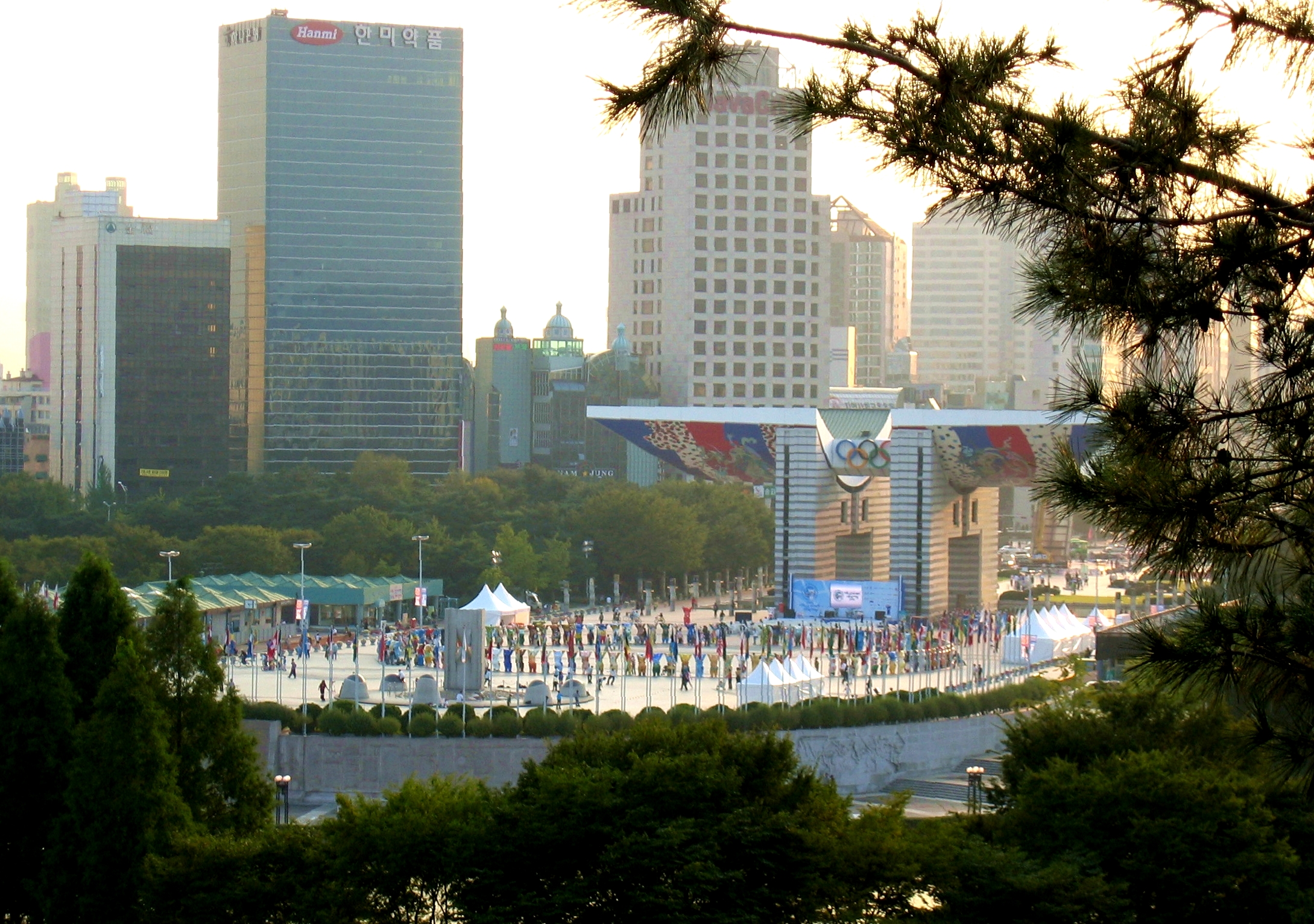
Roughly 30,000 people protested at the Olympic Park ballot center in Seoul to demand a re-election following reported ballot shortages [1, 2, 3].
The demonstrations signal a significant breakdown in trust among young voters regarding the integrity of the local electoral process. The scale of the gathering highlights a growing frustration with administrative failures that may have disenfranchised citizens during the June 3 local elections [1, 2].
The overnight protests in the Songpa District have continued for three days [1]. The crowd consisted primarily of people in their 20s and 30s, according to reporter Park Jung-hyun, who said, "It is mainly young people in their 20s and 30s" [2].
Police provided an unofficial estimate that more than 32,000 people had gathered by 9 p.m. [1]. Despite the large numbers, the situation remained relatively stable. A YTN news anchor said, "At one time, more than 30,000 people gathered and the area was crowded, but there were no physical clashes or major confusion" [2].
As dawn broke, the number of participants decreased. According to Seoul city real-time urban data, approximately 6,000 people remained at the site [1]. The protesters have focused their efforts on blocking the ballot center to ensure their demands for a new election are heard by officials.
The unrest stems from the June 3 local elections, where several polling stations reportedly ran out of ballot papers [1, 2, 3]. This shortage prevented some voters from casting their ballots, leading to the current blockade of the counting facility in Jamsil.
“It is mainly young people in their 20s and 30s”
The mobilization of the '2030 generation' suggests that administrative errors in election logistics are being viewed not as simple mistakes, but as systemic failures. By blocking a ballot center, protesters are attempting to physically halt the certification of results to force a legal or political remedy, such as a full re-election, which could challenge the legitimacy of the current local government winners.


