
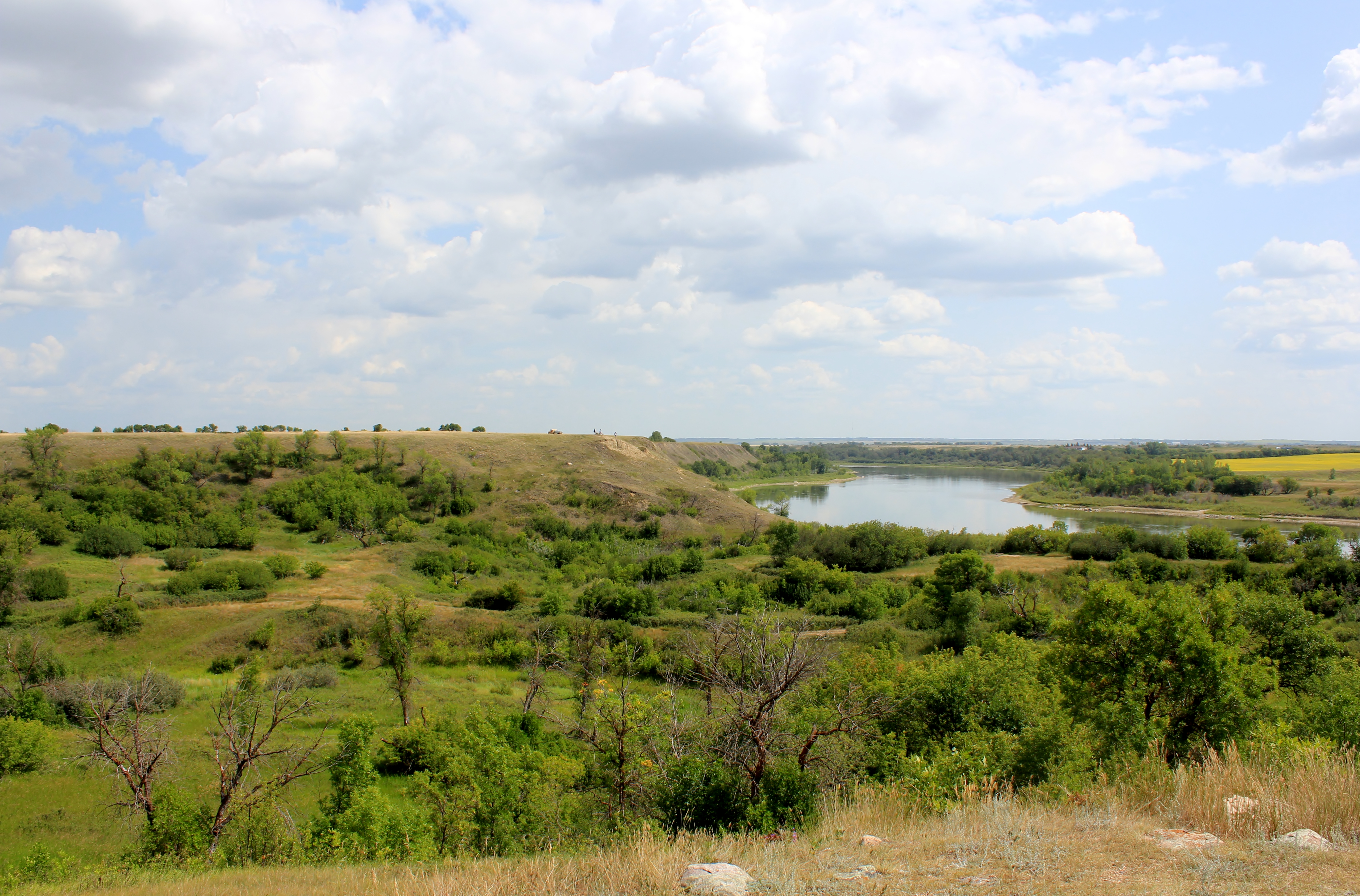
Water levels in the South Saskatchewan River are rising and are expected to reach their highest point in six years [1].
The surge threatens local infrastructure and transportation, forcing the closure of river crossings and requiring emergency water management to prevent flooding in urban areas.
Heavy rainfall in southern Alberta has fed the river system, prompting the provincial water authority to increase releases from Lake Diefenbaker [2, 6]. Officials said Wednesday, June 5, that the Gardiner Dam spillway has been opened for the first time [4].
Water flows are projected to increase significantly, rising from approximately 280 cubic meters per second to about 700 cubic meters per second [2]. These elevated flows are expected to begin rising on Sunday, June 7 [2].
In Saskatoon, the impact is already visible. The city's waterline is expected to rise by more than half a metre [3]. The Water Security Agency said caution is urged for anyone near the river banks as the volume of water increases.
The rising waters have also disrupted regional travel. Two ferry crossings have been closed due to the surge in flows [5]. Authorities said they continue to monitor the situation as the volume of water moves downstream from the dam toward the city.
“Water levels in the South Saskatchewan River are rising and are expected to reach their highest point in six years.”
The opening of the Gardiner Dam spillway is a rare operational event used to manage extreme inflows from heavy precipitation. The combination of natural runoff from Alberta and controlled releases creates a compounding effect on downstream communities, necessitating the preemptive closure of ferries and the issuance of safety warnings to mitigate the risk of flash flooding or bank erosion.


