
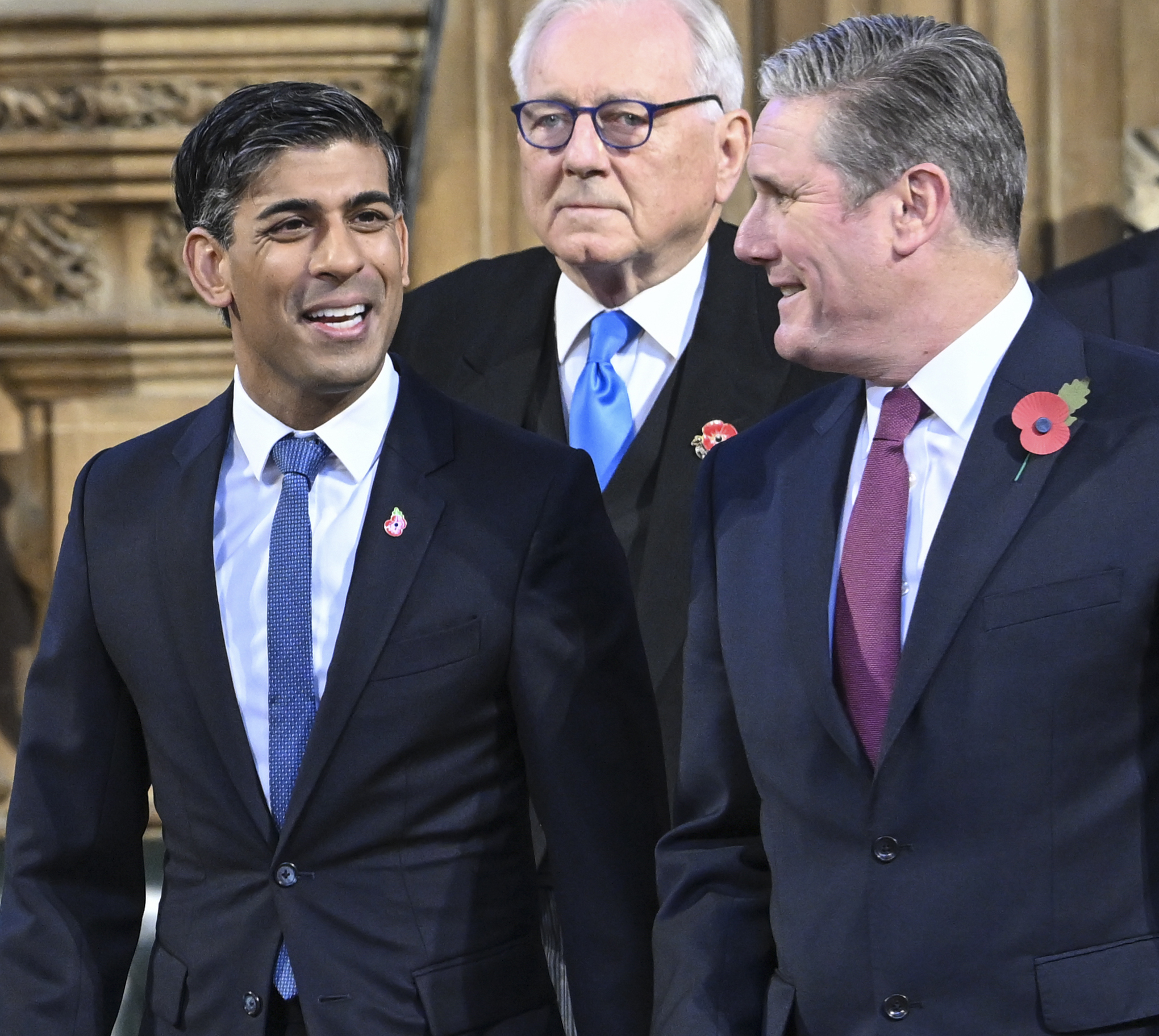
Sir Keir Starmer (Labour) said he will not resign despite mounting pressure to step down if Andy Burnham wins the Makerfield by-election [1].
The refusal comes as the Labour Party seeks to stabilize its leadership following a heavy defeat in recent elections [1]. The outcome of the Makerfield contest is being viewed as a critical test of the party's current direction and leadership viability.
Starmer addressed the speculation regarding his future and the possibility of a leadership transition. "I will not walk away," Starmer said [2].
The tension within the party has intensified as Andy Burnham (Labour), the mayor and candidate for the Makerfield by-election, sets out his pitch to voters [1]. Some party members and critics have called for Starmer to establish a formal timetable to exit his position should Burnham secure a victory in the seat [1].
This internal friction follows a period of significant electoral losses for the party. The movement to replace Starmer is tied to the belief that a different leadership approach is required to regain momentum before the next general election [1].
Other party figures have expressed confidence in their own abilities to navigate the political landscape. "I know how to win," Wes Streeting (Labour) said [2].
The Makerfield by-election remains a focal point for the party's strategy. While Starmer maintains his position, the results in the constituency may further influence the internal debate over the party's leadership structure, and its ability to appeal to key demographics [1].
“"I will not walk away."”
The refusal of Sir Keir Starmer to commit to a resignation timeline suggests a strategy of defiance against internal party critics. By decoupling his leadership from the specific outcome of the Makerfield by-election, Starmer is attempting to prevent the contest from becoming a proxy referendum on his own tenure, though a Burnham victory may still embolden those seeking a leadership change.


