
Musician Sting discussed the childhood inspirations behind his musical production, "The Last Ship," in an interview published Thursday [1].
The project represents a significant intersection of personal memory and high art, blending the industrial history of Northern England with the prestigious stage of New York City.
Sting said the emotional core of the work is rooted in his upbringing in Wallsend, Newcastle. He grew up in the shadow of the local shipyards, an environment that shaped his perspective on labor and community [1, 2]. The narrative explores the impact of these industries on the people who worked there, and the legacy left behind after the shipyards closed [2].
This personal connection remains strong despite the time that has passed since he lived in the region. Sting left his hometown more than 50 years ago [3].
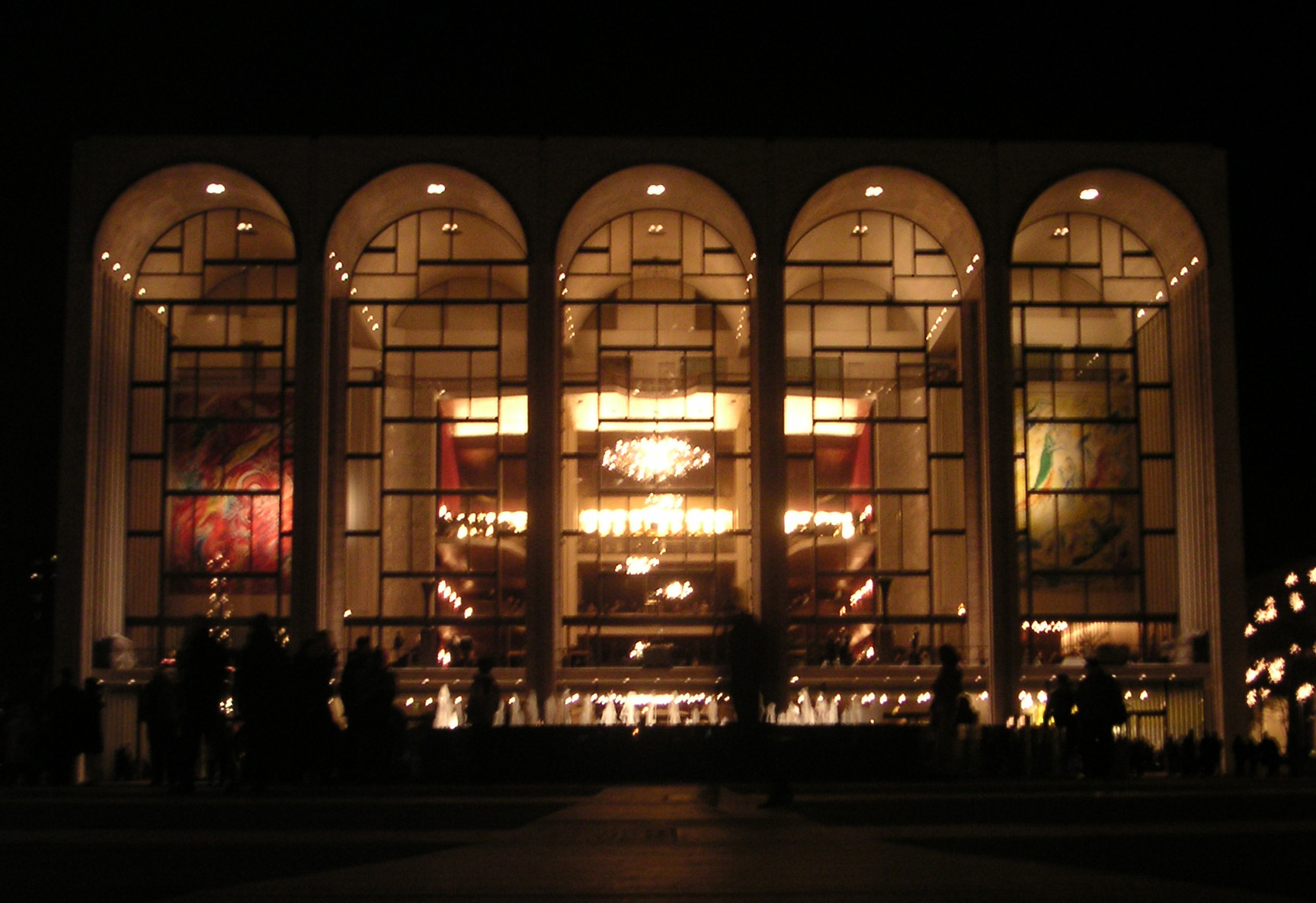
The production has reached a historic milestone in the U.S. "The Last Ship" is the first musical ever staged at New York's Metropolitan Opera [1]. The staging at the Met, along with appearances in the West End, brings the story of Wallsend to a global audience [1, 4].
By centering the story on the shipyards, Sting connects the specific geographic identity of Newcastle to universal themes of loss and transition. The production uses the setting of Wallsend to examine how industrial decline affects the social fabric of a town [2].
“"The Last Ship" is the first musical ever staged at New York's Metropolitan Opera.”
The staging of 'The Last Ship' at the Metropolitan Opera marks a departure from the venue's traditional focus on opera and ballet. By bringing a contemporary musical based on working-class industrial life to one of the world's most elite stages, the production bridges the gap between populist storytelling and high-culture institutions.


