
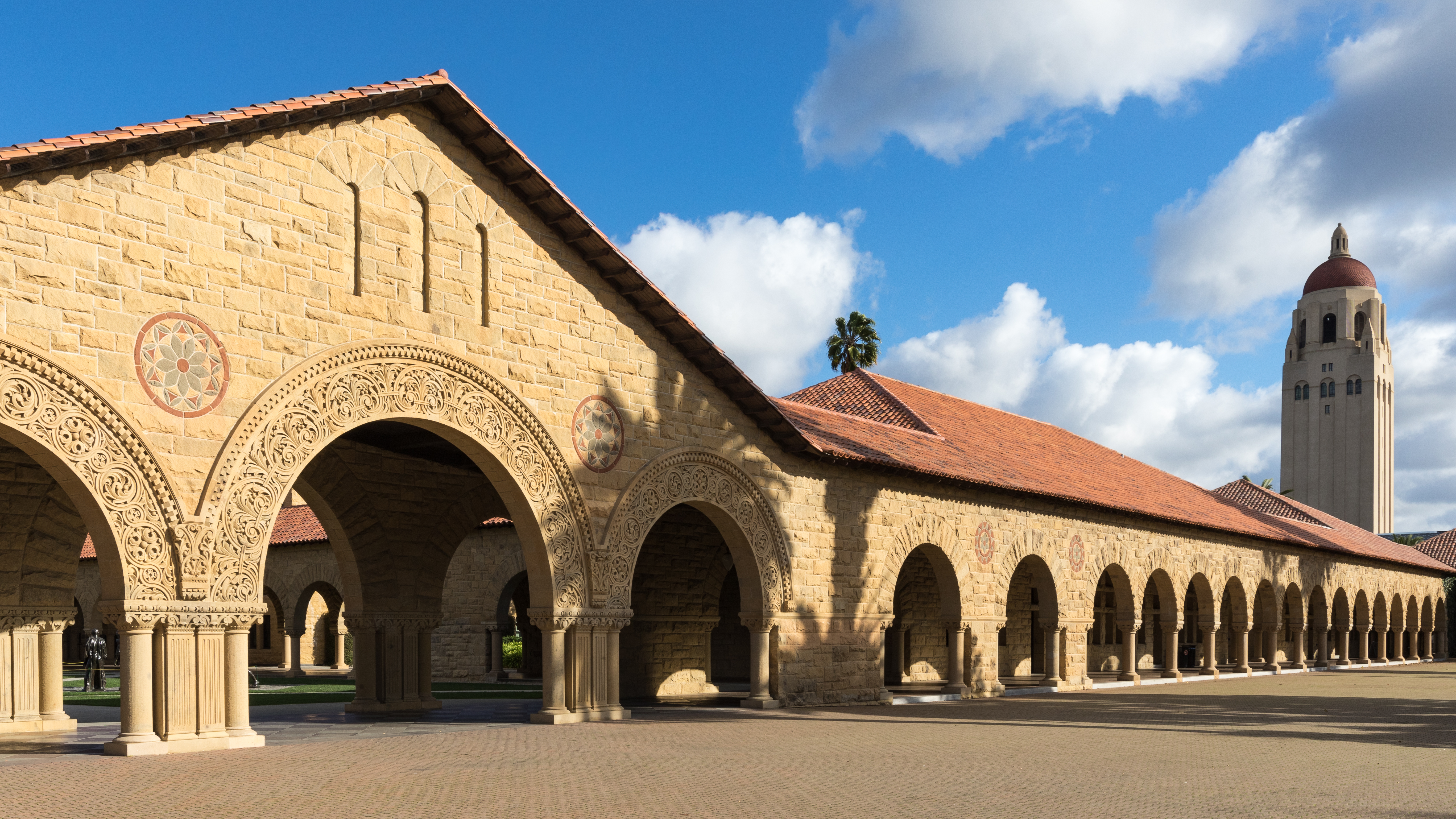
Theo Baker released a book this month investigating Stanford University's deep connections to Silicon Valley's venture-capital and tech-funding ecosystems.
The work highlights the tension between academic integrity and the influence of wealthy donors, suggesting that external funding can shape a university's research agenda and internal culture.
Baker, a Stanford history major and former reporter for the Stanford Daily, chronicles the university's internal power structures. His research details the research misconduct that led to the resignation of President Marc Tessier-Lavigne [3]. The book explores how tech funders attempt to influence undergraduate students and the broader campus environment.
"In his first book, Theo Baker chronicles an outrageously eventful year navigating a potent center of power," Anand Giridharadas said in a review for The New York Times [1].
Baker's investigative work as a student journalist earned him a George Polk Award [4]. He is scheduled to graduate from the university in 26 days [5].
The narrative focuses on the "Stanford inside Stanford," describing a system where the pursuit of power and wealth often intersects with academic pursuits [3]. By examining the role of venture capitalists, Baker exposes how the university's leadership and research goals are sometimes steered by the interests of the tech industry.
"Theo Baker is graduating from Stanford this spring with a book deal, a George Polk Award, and a front-row account of how tech funders try to seduce undergraduates," TechCrunch staff said [4].
“Theo Baker chronicles an outrageously eventful year navigating a potent center of power.”
The publication of this account suggests a growing scrutiny of the 'donor-industrial complex' within elite American universities. When academic institutions become overly reliant on Silicon Valley capital, it creates a potential conflict of interest that can compromise research standards and administrative independence, as evidenced by the leadership crisis at Stanford.


