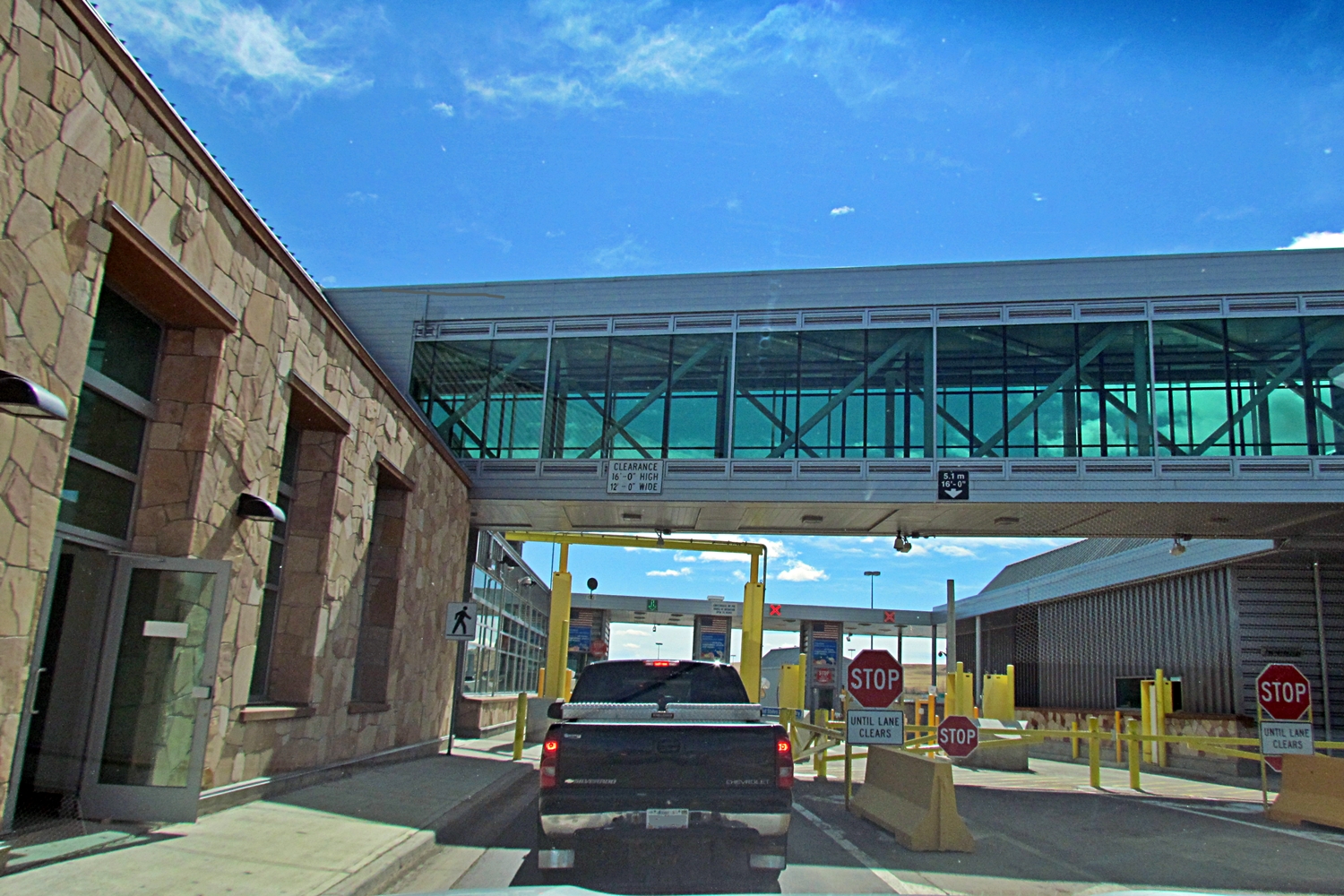
President Donald Trump announced a three-day pause on 50% tariffs [1] slated for a range of Canadian goods on Tuesday.
The decision prevents an immediate economic shock to bilateral trade and provides a final window for negotiators to finalize a trade agreement before the levies take effect.
The announcement came hours before the tariffs were scheduled to begin at midnight [1], [3]. The pause affects Canadian imports valued at approximately $20 billion [2]. While some reports indicated a lower rate of 25% for most imports [2], primary reports confirm the paused rate was 50% [1].
Trump said the brief delay is intended to give space for an imminent trade deal with Canada [2]. The move shifts the deadline for the implementation of the tariffs by three days [1].
Trade officials in both nations have been working to resolve the dispute. The potential for 50% tariffs [1] created significant uncertainty for industries relying on the cross-border flow of goods. The pause serves as a temporary reprieve for exporters, and importers who would have faced immediate cost increases.
Washington has used tariffs as a primary tool in recent trade negotiations to secure concessions from partners. The timing of the pause, occurring on the same day the tariffs were to start [1], [3], follows a pattern of high-pressure diplomacy used by the administration.
“President Donald Trump announced a three-day pause on 50% tariffs slated for a range of Canadian goods.”
This tactical delay indicates that the U.S. administration is using the threat of severe tariffs as leverage to secure specific concessions in a trade deal. By pausing the tariffs just hours before the deadline, the U.S. maintains maximum pressure on Canadian negotiators while avoiding the immediate market volatility that a 50% tariff on $20 billion in goods would trigger.