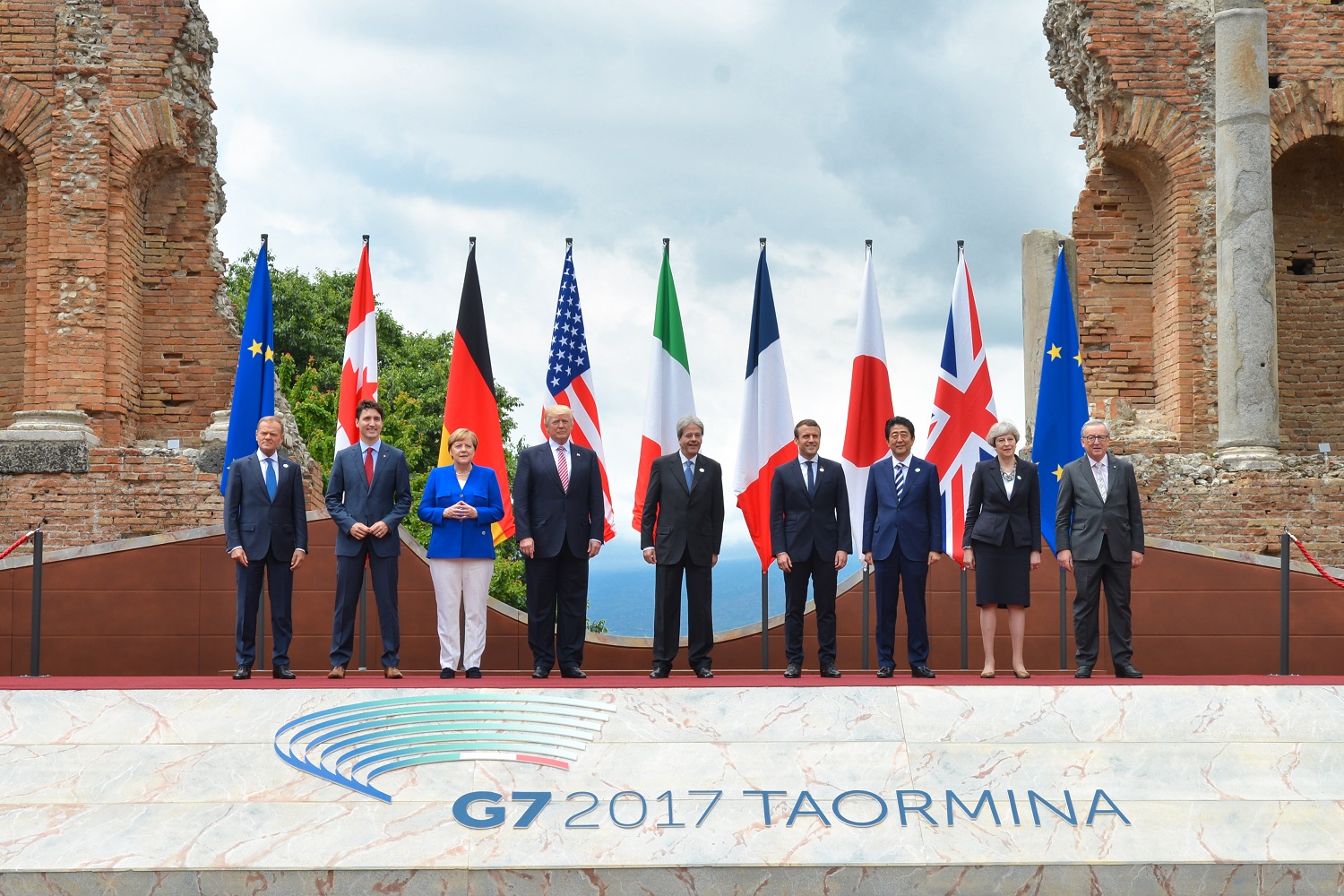
Donald Trump arrived in France for the first G7 summit held since the United States entered a war with Iran [1].
This meeting marks a critical diplomatic juncture as the U.S. seeks to coordinate with its closest allies while managing an active military conflict. The outcome of the summit could determine the trajectory of global security and the stability of international trade routes.
The gathering in France comes at a time of heightened geopolitical instability. Discussions among the G7 leaders are expected to be dominated by the ongoing U.S.-Iran war, which has intensified regional tensions [2]. The conflict has forced a realignment of diplomatic priorities for the U.S. and its partners, making this the first such summit since the outbreak of hostilities [1].
Beyond the immediate crisis in the Middle East, the summit agenda includes pressing concerns regarding Ukraine, and global trade [3]. These issues intersect with the Iran conflict, as energy markets and shipping lanes remain vulnerable to escalation. Leaders are expected to weigh the economic impact of trade disputes against the necessity of a unified front in security matters [3].
Trump's return to the G7 follows a history of complex relationships with the bloc. While the former president previously expressed disdain for the organization, the current crisis has necessitated a return to these multilateral forums [4]. The summit serves as a venue for the U.S. to align its strategic objectives with those of other G7 nations to prevent further escalation of the war.
The atmosphere in France remains tense as the world watches for a unified response to the Iranian threat. The summit represents an attempt to maintain a rules-based international order while the U.S. conducts active warfare in a volatile region [2].
“The first G7 summit held since the United States entered a war with Iran.”
The timing of this summit suggests that the U.S. is prioritizing multilateral legitimacy to support its wartime objectives. By convening with G7 leaders, the U.S. aims to ensure that its military actions against Iran do not isolate it from key economic partners or undermine the collective response to other global crises, such as the war in Ukraine.