Prime Minister Sir Keir Starmer said the United Kingdom will play its "full part" in getting the Strait of Hormuz open [1].
This commitment is critical because the waterway serves as a strategic chokepoint for global energy supplies, and international trade. Any prolonged disruption to the passage between Oman and Iran threatens global economic stability and increases the risk of regional escalation.
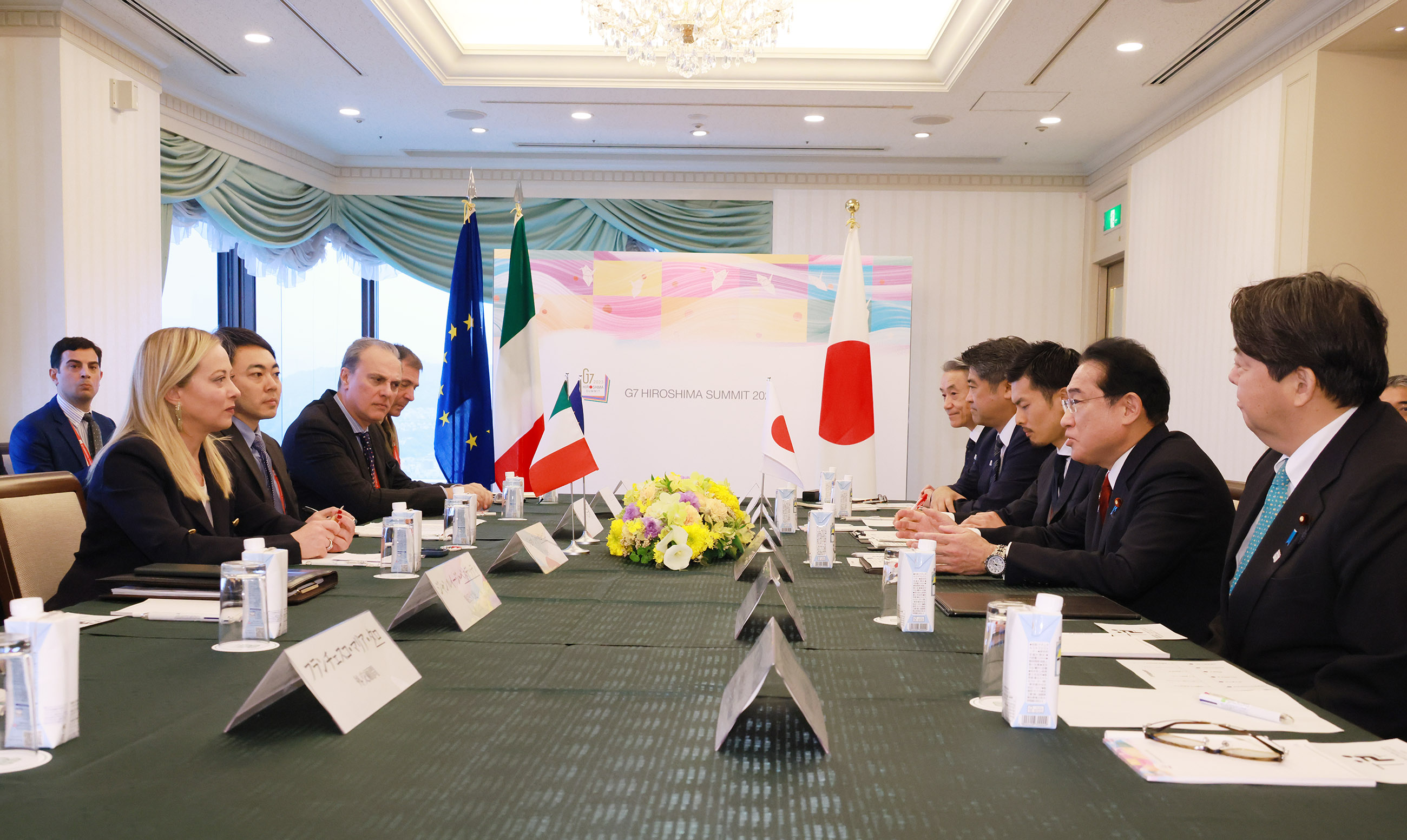
Starmer said this during the G7 summit in Italy on June 12, 2024 [1, 2]. He said the UK is coordinating with other nations to develop a comprehensive plan to protect vessels navigating the waterway [2]. The effort aims to ensure safe navigation amid ongoing regional tensions that have put maritime security at risk [2].
"The UK will play its full part in getting the Strait of Hormuz open," Starmer said [1].
The prime minister said the UK is working with other countries on a plan to protect vessels in the key waterway [2]. This collaborative approach is intended to safeguard the flow of commerce, and protect the crews of ships operating in the area.
The Strait of Hormuz remains one of the most sensitive maritime corridors in the world. By pledging a full role in its reopening and protection, the UK signals its intent to maintain a visible security presence in the Middle East to prevent further disruptions to the global supply chain [2].
“"The UK will play its full part in getting the Strait of Hormuz open."”
The UK's pledge reflects a strategic priority to maintain the freedom of navigation in a region where geopolitical friction often manifests as maritime interference. By aligning with G7 partners, the UK seeks to distribute the security burden of patrolling the Strait of Hormuz, ensuring that a single nation does not bear the full diplomatic or military risk of maintaining the waterway's openness.