The U.S. and Iran are the subject of conflicting reports regarding a 60-day cease-fire agreement and simultaneous military strikes.
These contradictory accounts create significant uncertainty regarding the stability of the Middle East and the current state of diplomatic relations between Washington and Tehran.
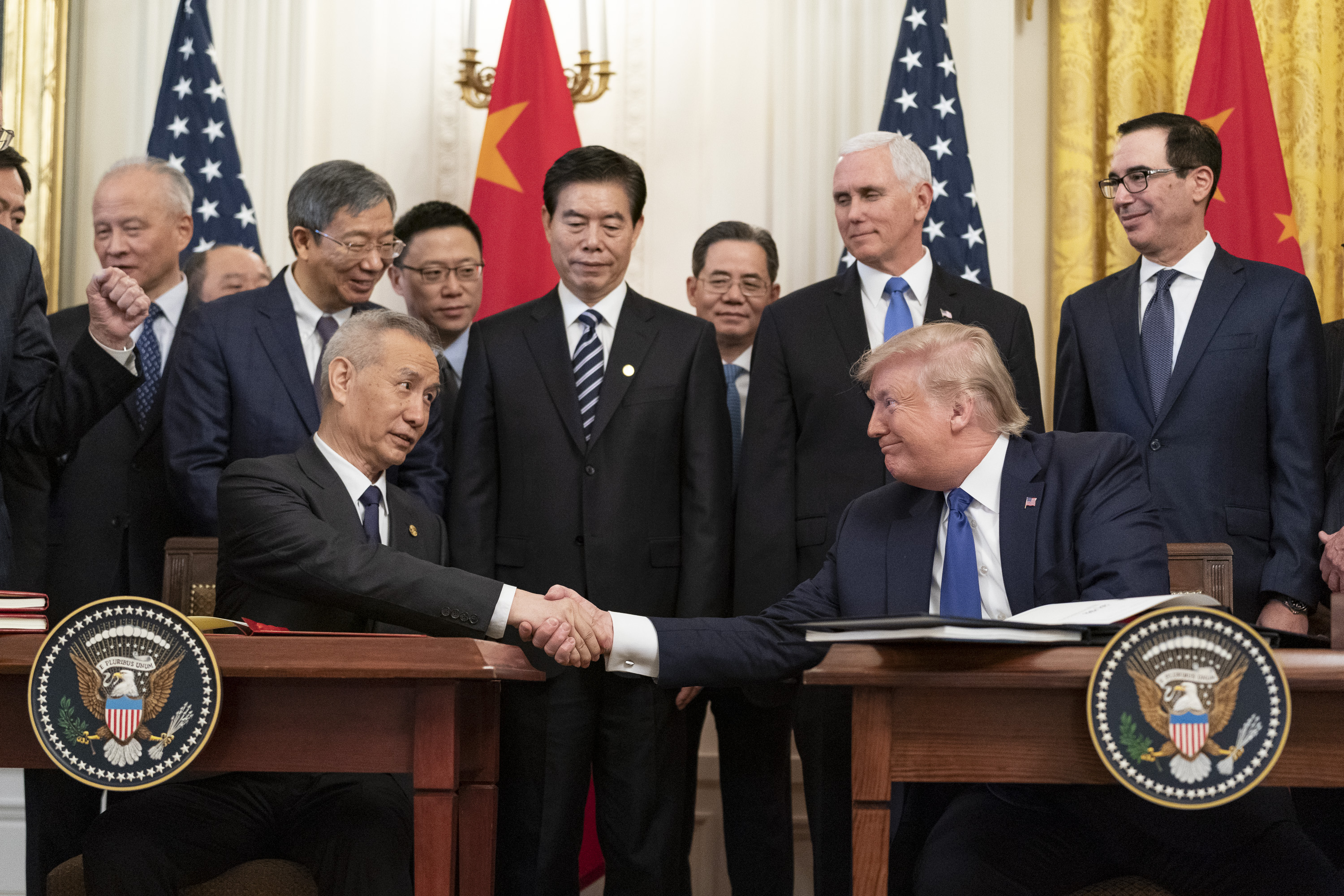
Some reports indicate that President Donald Trump and Iranian officials reached a mutual agreement to stop hostilities. According to these accounts, the two nations signed a cease-fire lasting 60 days [1], [2]. This agreement was reportedly intended to facilitate the resumption of nuclear negotiations to de-escalate regional tensions [1]. The signing process was described as being conducted electronically [1].
However, other reports present a starkly different scenario involving active combat. These accounts said that the U.S. launched an attack against Iran [3]. In response to this aggression, reports said that Iran retaliated by striking a U.S. military base located in Kuwait [3]. These events were reportedly centered around the Persian Gulf and the Strait of Hormuz [3].
The disparity between the reports of a diplomatic breakthrough and the reports of military escalation remains unresolved. While one narrative suggests a path toward peace through a 60-day window [1], [2], the other suggests a cycle of retaliation and direct conflict [3].
Official confirmation from the U.S. government or the Iranian administration has not been provided in these reports to reconcile the two versions of events. The reports vary between the promise of renewed nuclear talks and the reality of missile strikes in the region [1], [3].
“The United States and Iran have agreed on a 60-day cease-fire.”
The presence of diametrically opposed reports—one citing a diplomatic truce and the other citing active warfare—suggests a high level of information volatility or a potential disinformation campaign. If a cease-fire exists, it represents a fragile attempt to restart nuclear diplomacy; however, if military strikes occurred, the region faces an immediate risk of wider escalation.