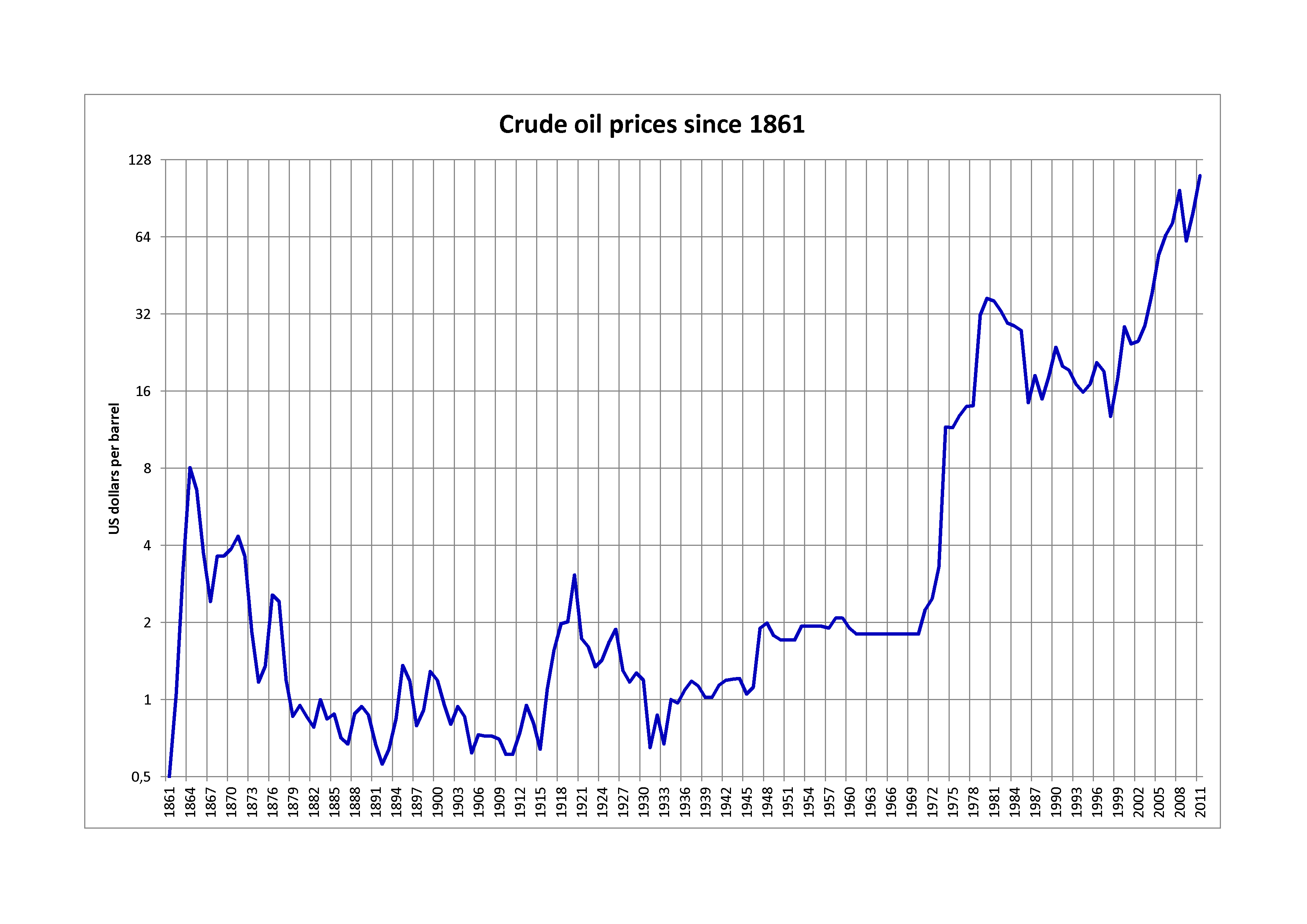
Oil prices fell by more than four percent [1] following reports of a peace deal between the U.S. and Iran.
The shift in pricing reflects a sudden reduction in market anxiety regarding the Strait of Hormuz. Because this narrow waterway is a critical chokepoint for global energy shipments, any diplomatic stability in the region directly impacts the cost of crude oil worldwide.
According to reports, the agreement is expected to ease supply fears in the Strait of Hormuz [1], [2]. Brent crude specifically fell nearly four percent to $86.88 per barrel [3]. This downward trend occurred on Friday, May 22, 2024 [4].
Market reactions to the news were not uniform across all reporting outlets. While some sources noted the tumble in prices, others said that oil prices rose during the same period as some investors expressed doubt regarding a breakthrough in U.S.-Iran peace talks [4].
Further contradictions exist regarding the scale of the price drop. Some reports indicated a decline of more than four percent [1], while other accounts said oil prices tumbled more than 10% after Iran reopened the Strait of Hormuz to allow crude to flow [5].
The volatility highlights the sensitivity of energy markets to geopolitical developments in the Middle East. Traders often react sharply to news of diplomatic breakthroughs or escalations, factors that can override standard supply and demand fundamentals in the short term.
“Oil prices fell by more than four percent following reports of a peace deal between the U.S. and Iran.”
The conflicting reports on price movement—ranging from slight increases to a 10% drop—suggest a highly volatile trading environment where market participants are weighing diplomatic optimism against historical skepticism. The focus on the Strait of Hormuz underscores that global energy security remains precarious and heavily dependent on the diplomatic relationship between Washington and Tehran.